The share of short positions in Intel shares is near the annual maximum. What's the risk?

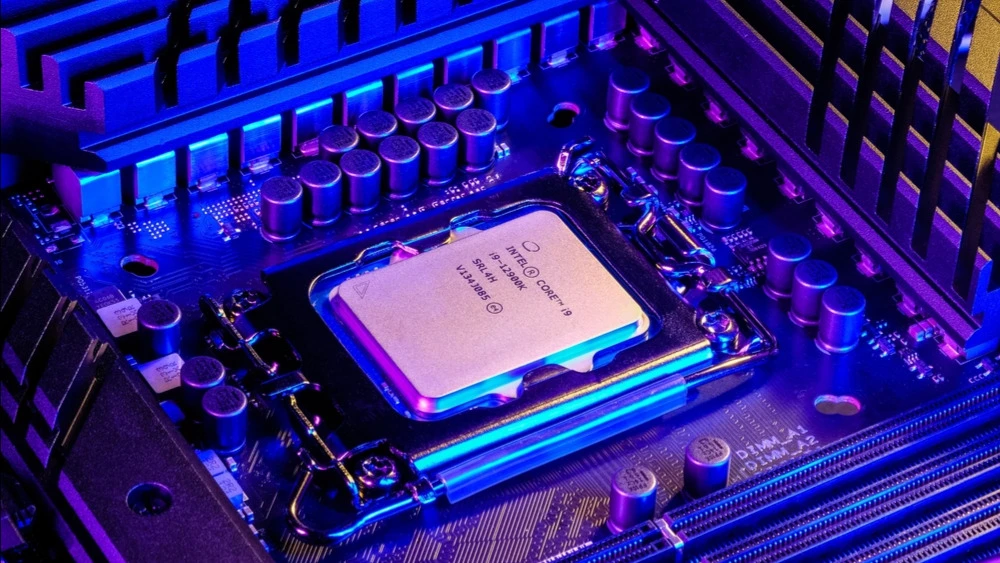
Shorts bet against Intel, expecting a correction after the stock's meteoric rise / Photo: Tester128 / Shutterstock.com
The free float share of short positions in Intel shares - a measure of how many securities have been taken for down bets - is near a one-year high, Bloomberg noted. From March 30 to May 11, the chipmaker's capitalization increased more than 200%, adding $440 billion, and paper losses of shorts exceeded $12 billion, according to S3 Partners data cited by the agency. But that doesn't stop players from opening new short positions, it notes.
On Tuesday, Intel shares collapsed by almost 7% along with securities of other semiconductor companies, reacting to unexpectedly high inflation. However, Bloomberg warns investors against opening shorts in the sector.
Why you shouldn't bet against Intel
"Intel has almost become a symbol of momentum trade now," Matthew Unterman, managing director at S3 Partners, explained to Bloomberg. - At some point, the growth momentum will start to fade [and traders are counting on a correction]."
However, it is extremely risky to bet against Intel now, the agency emphasizes. Last week the shares soared by 25% - the best weekly result since January 2000 - and continued the rally on Monday, having updated the historical maximum. The last spiral of growth of quotations was caused by the report that the company reached a preliminary agreement with Apple on production of chips. Intel has been the best performing stock in the S&P 500 index since early April.
"Trying to catch a momentum top is just not realistic. You can't control risk here," Brad Lamensdorf, co-manager of the AdvisorShares Ranger Equity Bear ETF, told Bloomberg. - Shorts going against the price move lose a significant amount of extra yield, and the portfolio itself becomes highly volatile during this period."
How the market is valuing Intel
According to Bloomberg, Wall Street's forecasts for Intel's 2026 adjusted earnings more than doubled over the past month - on the back of the latest strong report and strong demand for server processors. However, that has had little impact on the company's extremely high market valuation. It is among the top 10 most expensive securities in the S&P 500 and is the most expensive among chip makers. Intel's stock trades with a P/E coefficient (the ratio of the stock price to the company's projected annual earnings) at a record high of about 100. By comparison, Nvidia trades at a P/E ratio of about 24.
"This expensive multiple could quickly become cheap if growth accelerates," says Grizzle Investment Management portfolio manager Thomas George, whose company owns Intel stock. - If AI leads to efficiency gains, more people will use it, which means demand will continue to grow."
Analysts at Deutsche Bank maintained a Hold recommendation on Intel shares this week, noting that the securities are already well above their $100 target price amid a series of reports of potential customers for the company's contract manufacturing division. "While the market now appears to be more focused on momentum dynamics - which are clearly positive for Intel - than on the company's bottom-line valuation, and the effect of the chipmaker's contract manufacturing strength has intensified, we believe the potential good news is already more than fully reflected in Intel's current share price," wrote Deutsche Bank analyst Ross Seymore, a note cited by Barron's.
Despite growing optimism around Intel's prospects, Wall Street is generally not bullish on the company's stock. Analysts' average target price of about $85 implies a decline of nearly 30% relative to the closing price on May 12. That's the worst implied outcome among all components of the semiconductor index, Bloomberg notes. Of the 53 analysts covering Intel that the agency tracks, only 17 recommend buying the chipmaker's shares, while three advise selling. Most, however, take a neutral stance.
Who else is dangerous to short
Downside players are also turning their attention to stocks of other chip makers as the sector continues to grow. Micron and Advanced Micro Devices are the second- and third-best performing stocks in the Philadelphia Semiconductor Index since late March. These stocks are also seeing an increasing proportion of short positions, S3 data show. The chip maker index itself is up more than 50 percent since early April, and its 14-day relative strength index recently hit its highest since 2011 - a signal that the sector is deeply overbought. writes Bloomberg.
But even though the rally looks overdone, the unpredictability of peak trading has many investors avoiding betting against it. "I wouldn't short any of these stocks," Thomas George told the agency. - This is not a sector where shorting can expect glory."
He said there is a high probability that stocks at their peak, including Intel, will face serious selloffs and lose up to 30% over the next 12 months. However, strong growth momentum and improving company fundamentals make trying to guess the moment of reversal extremely dangerous.
"Companies see AI as a matter of survival, so they won't stop investing in it and developing infrastructure," George emphasized. - Shorts better not get in the way of this trend".
This article was AI-translated and verified by a human editor