"The turnaround is slower than we would like". Nike shares fall after weak outlook

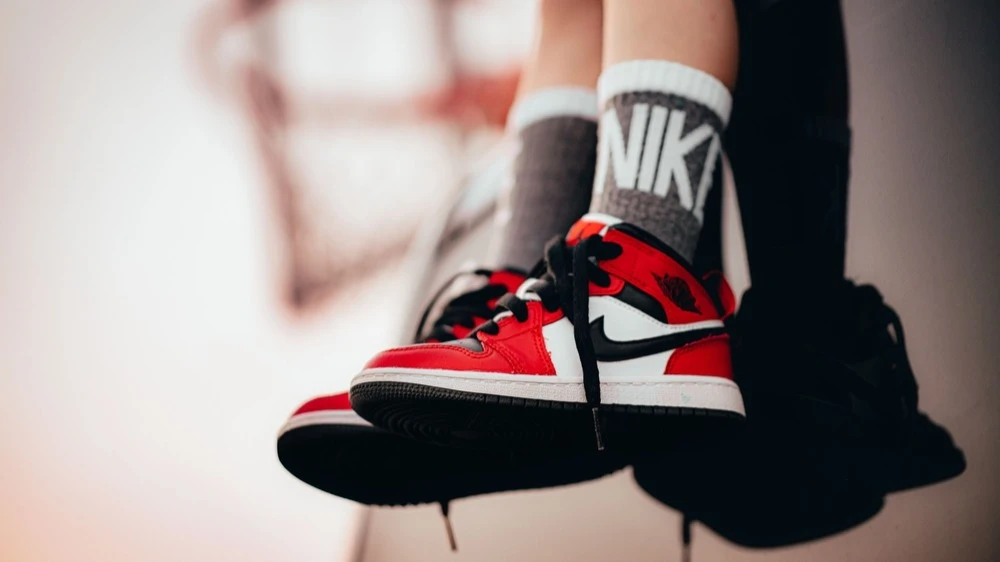
Nike shares decline amid weak forecast and falling sales in China / Photo: Wirestock Creators / Shutterstock
Shares of sports retailer Nike fell after the company warned of a possible decline in revenue in 2026. The negative outlook is due to an expected decline in sales in the coming quarters amid weak demand in China, as well as disruptions in sales and logistics in Europe and the Middle East due to geopolitical instability.
Details
Shares of Nike at the premarket on April 1 fell more than 10% after the company the day before gave a weak forecast for the next year, which complicated the efforts of CEO Elliott Hill to restore the business, notes Bloomberg. Against this backdrop, the company's securities may open April 1 below $50 a piece - at a level close to the lowest in more than 10 years, MarketWatch writes. So investors reacted to the company's quarterly report, in which it said that:
- Nike's revenue is expected to decline 2-4% in the fourth quarter of fiscal 2026, which ends Ma. 30. The figure will subsequently decline 1-3% through the end of the calendar year, company executives said during the company's third-quarter earnings call, reports said. At the same time, analysts surveyed by Bloomberg expected sales growth of 2% in the quarter and a larger increase thereafter.
- Nike's revenue totaled $11.3 billion in its fiscal third quarter, which ended in late February, exceeding the average forecast of analysts surveyed by Bloomberg, but remained flat year-over-year.
- Nike reported earnings of $520 million, or $0.35 per share, beating analysts' estimates of $0.28, Reuters reports. This is 35% lower than a year earlier ($794 million, or $0.54 per share). The decline was due, among other things, to a 1.3 percentage point drop in gross margin to 40.2%, mainly due to higher import duties in North America, CNBC explained.
- Next quarter, Nike expects sales in China, which is the third-largest market for the company after North America and EMEA (Europe, Middle East and Africa), to fall by about 20 percent amid ongoing measures to "cleanse" the market of excess inventory, the Financial Times said.
The company's CFO Matt Friend noted that the future guidance is based on the current macroeconomic situation and may change amid ongoing geopolitical instability, CNBC reports.
Last week, the company's securities were near nine-year lows, and on Monday, March 30, they closed at their lowest level since October 2017, MarketWatch notes. They're down 17% since the beginning of the year.
What else the company said in the report
Nike sees rising inventories in Europe and the Middle East, as well as disruptions in store traffic amid military conflict, which could threaten a possible increase in business volatility. These factors, along with weakness in Greater China and several other regions, offset strong results in North America, Bloomberg writes. Sales in China declined 10% in the third quarter.
Greater China accounts for about 15% of the sports retailer's annual revenue, but business in the region has remained under pressure in recent quarters amid weak assortments and a loss of market share to local rivals such as Anta and Li Ning, Reuters noted.
By contrast, in its largest market - North America - the company continued to show solid growth: here, Nike's revenue rose 3 percent to $5.03 billion in the third quarter, but fell slightly short of analysts' projections of $5.04 billion, according to StreetAccount data reported by CNBC.
An additional source of pressure on the company's business remains its sportswear division, where discounts remain high amid weakening consumer demand due to the slowing economy: in the third quarter, the segment showed a double-digit decline (more than 10%), Bloomberg writes.
In an effort to accelerate the sale of excess inventory globally, Nike is using discounts more aggressively, which is putting pressure on margins, Reuters noted. In Europe in particular, promotions are up year-on-year, while the company has stepped up discounting in digital channels as well, CFO Matt Friend noted. But even with these measures, Nike expects inventories to remain elevated by the end of next quarter. That's due to weak demand for sportswear and lingering logistics disruptions caused by the conflict in the Middle East, Friend explained.
Context
Elliott Hill is taking steps to restore growth in Nike's core business by increasing its focus on key product categories - running and basketball products, Bloomberg reports. "A return to sustainable business performance in the sportswear segment is key to our recovery; this area will remain an important part of both the overall market and our future growth," Bloomberg quoted Hill as saying. He said the process of turning around the business "is slower than he would like," Reuters reports.
What the analysts are saying
The military conflict is likely putting pressure on EMEA and the duties imposed by U.S. President Donald Trump on Nike's gross margins, said Poona Goyal, senior analyst at Bloomberg Intelligence. This pressure will continue in the near term, she estimated.
The protracted process of "clearing out warehouses" may be a concern for investors, according to Morningstar analyst David Schwartz. His opinion is quoted by Reuters. According to him, the company has been talking about selling off inventory since the fourth quarter of the last fiscal year, and the market is beginning to wonder why this time has not been enough so far and how long it will take.
The U.S. remains Nike's largest and most resilient market, and a possible deterioration in consumer sentiment in the country could slow the company's recovery, M Science analyst Drake McFarlane said, according to Reuters.
This article was AI-translated and verified by a human editor