The WSJ has uncovered yet another affair at Nvidia—this time involving a top executive at a company with ties to China
The former head of sales at Nvidia dated a top executive at SuperMicro for several years. They are now married, and employees of her former company are accused of smuggling chips to China.


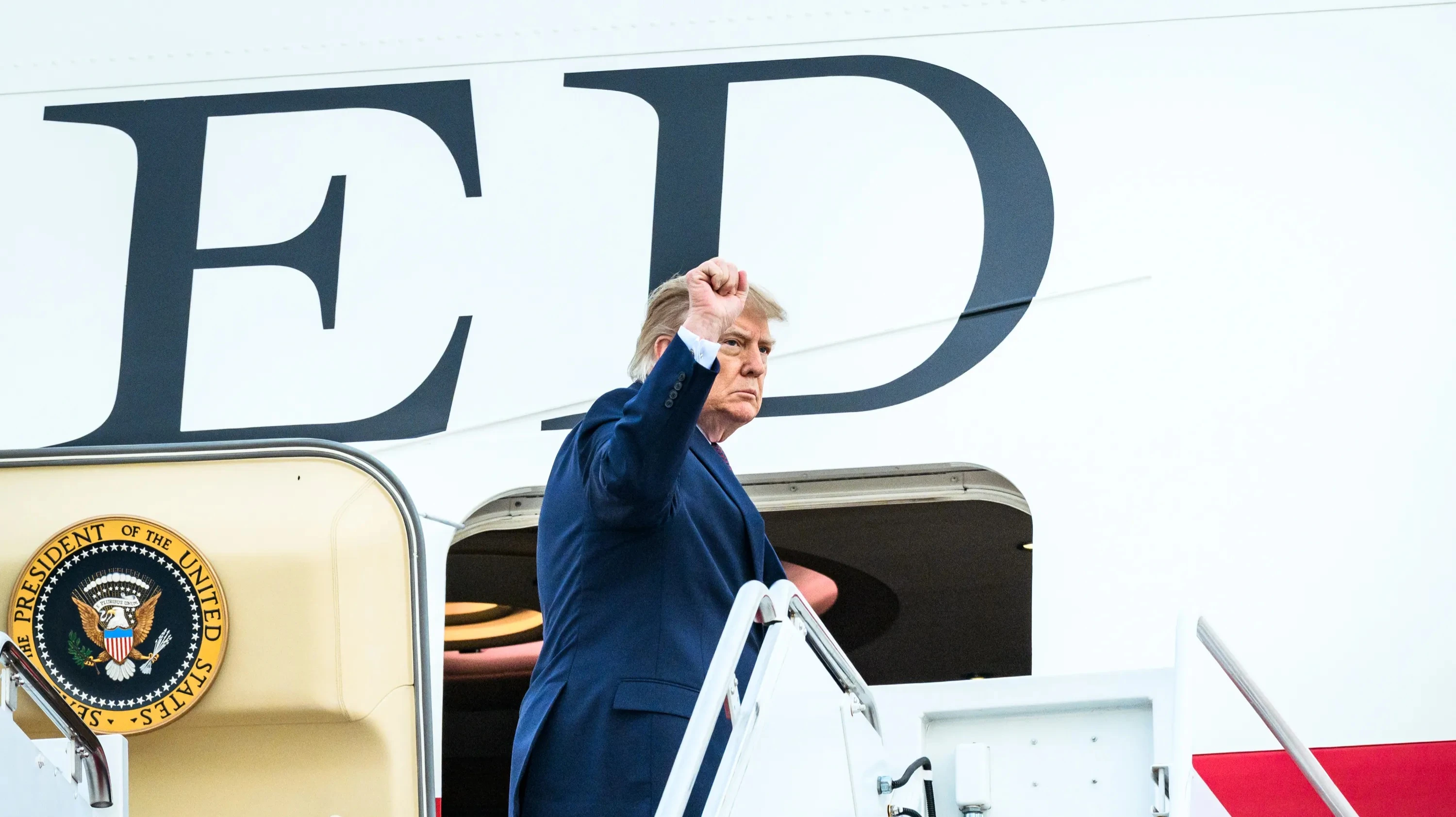
In July, Jay Puri announced that he had stepped down from his leadership role in Nvidia's global sales division but remained a senior advisor to the company / Photo: nvidia.com
Jensen Huang isn’t the only top executive at Nvidia who has had a romantic relationship with the head of one of the company’s clients, whose employees are now accused of smuggling cutting-edge American chips to China, according to The Wall Street Journal. Jay Puri, who until recently headed Nvidia’s sales department and is Huang’s closest associate, dated Senli Chen—a top executive at server manufacturer SuperMicro Computer—for several years, current and former colleagues of the couple told the newspaper. According to official records, Puri and Chen were married on March 7. And on March 19, the U.S. Department of Justice charged SuperMicro’s co-founder, a sales manager, and a third-party intermediary with smuggling servers containing Nvidia chips into China.
Details
Until this past spring, Chen served as Chief Growth Officer (chief growth officer) at SuperMicro and regularly communicated with Puri about work matters; she also accompanied SuperMicro CEO Charles Liang during visits to Nvidia’s offices, where he sought to secure chip shipments for the company’s clients, according to employees at both companies. According to them, during internal sales meetings, she encouraged colleagues to come to her with questions related to Nvidia, positioning herself as the primary point of contact. Puri, who was in a relationship with Chen, headed Nvidia’s global sales team, which was responsible for allocating the latest chips to customers.
According to the couple’s colleagues, their relationship was no secret to anyone: in 2024, for example, they were photographed together at the annual charity gala at the San Francisco Opera. And in April 2026—a few weeks after their wedding and the public release of the indictment in the SuperMicro case—Puri and Chen were spotted alongside other Nvidia executives and their spouses at a gala hosted by the California Academy of Sciences.
The couple’s relationship came under scrutiny following a lawsuit filed by SuperMicro shareholders, which alleged that Chen played a role in the company’s purchases of Nvidia chips, as well as following a report by short-seller Muddy Waters, which earlier this month drew attention to the connection between top executives, the WSJ explains. Prior to that, The Information had also reported on the matter.
Chen herself declined to comment on her personal life, stating that it has no bearing on her work. SuperMicro also stated that Chen “did not oversee either SuperMicro’s relationship with Nvidia as a whole or the procurement of Nvidia graphics processing units (GPUs).” “Our relationship with Nvidia spans dozens of teams, functions, and projects,” the company said in a statement. The allocation of Nvidia chips among SuperMicro’s customers was determined with the involvement of several departments, the company explained.
Nvidia and Puri, who announced on LinkedIn in July that he had stepped down from his role leading the company's global sales (while remaining a senior advisor to Nvidia), did not respond to the publication's requests for comment.
What are SuperMicro employees accused of?
On March 19, the U.S. Department of Justice unsealed charges against SuperMicro co-founder Liao Yixian, a company sales manager, and a third-party intermediary: They are charged with conspiring to smuggle servers equipped with advanced Nvidia chips worth more than $500 million into China. According to the prosecution, in 2024–2025, Liao and two other defendants organized orders for SuperMicro servers totaling approximately $2.5 billion through an unnamed company in Southeast Asia, and then diverted at least $510 million worth of equipment to China. Liao pleaded not guilty and resigned from SuperMicro’s board of directors in March; the intermediary reached a plea deal with prosecutors and pleaded guilty; and the third defendant, a sales manager based in Taiwan, has not yet appeared in court. SuperMicro itself is not a defendant in the case and claims to be a victim of this scheme.
According to a WSJ source who was recently interviewed by FBI agents, the bureau was also interested in SuperMicro’s top executives, including Chen. Chen herself, who is not named in the indictment, claims that law enforcement has not contacted her. SuperMicro reported in August that a review of customer transactions conducted by independent members of the board of directors found no evidence that any of the company’s current senior executives were aware of the alleged shipment diversion scheme.
On November 12, it also emerged that the U.S. Department of Justice is investigating whether entities linked to Alice Huang—a woman whom U.S. intelligence agencies suspect of spying against Huang— — were involved in attempts to smuggle SuperMicro products into China.
Over the past month, SuperMicro's stock has fallen more than 29%.

Context
However, Chen no longer works at SuperMicro, according to the WSJ. In March, she spoke at Nvidia’s annual conference, discussing the company’s close ties with the chipmaker, but left SuperMicro just a few weeks later. She now heads the cloud company ChronoScale, which was spun off from another Nvidia partner, Applied Digital. According to Wes Cummins, CEO of Applied Digital and chairman of ChronoScale, Chen helped Applied Digital build its cloud business while she was still at SuperMicro. Cummins acknowledged that her relationship with Puri created the appearance of a conflict of interest, but stated that he was unaware of any special treatment Nvidia gave to SuperMicro. He said that Nvidia takes conflicts of interest seriously: because of the disclosed relationship between Chen and Puri, ChronoScale and Applied Digital are not even eligible for some of the support that Nvidia provides to its customers, he said.
This article was AI-translated and verified by a human editor