Top Stories This Morning: A Sell-Off in Asia, a Hack of the U.S. Treasury, and Huang's Apology

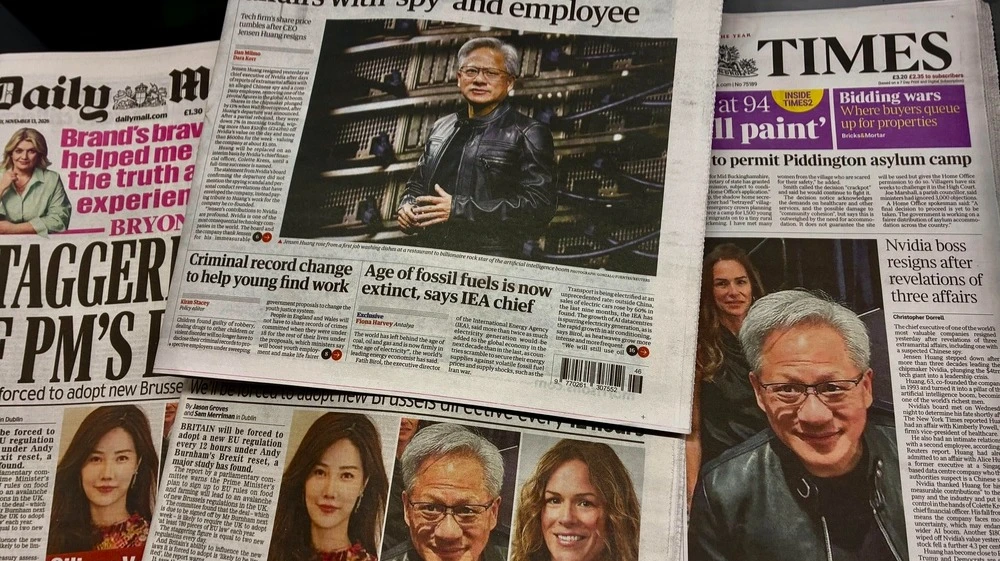
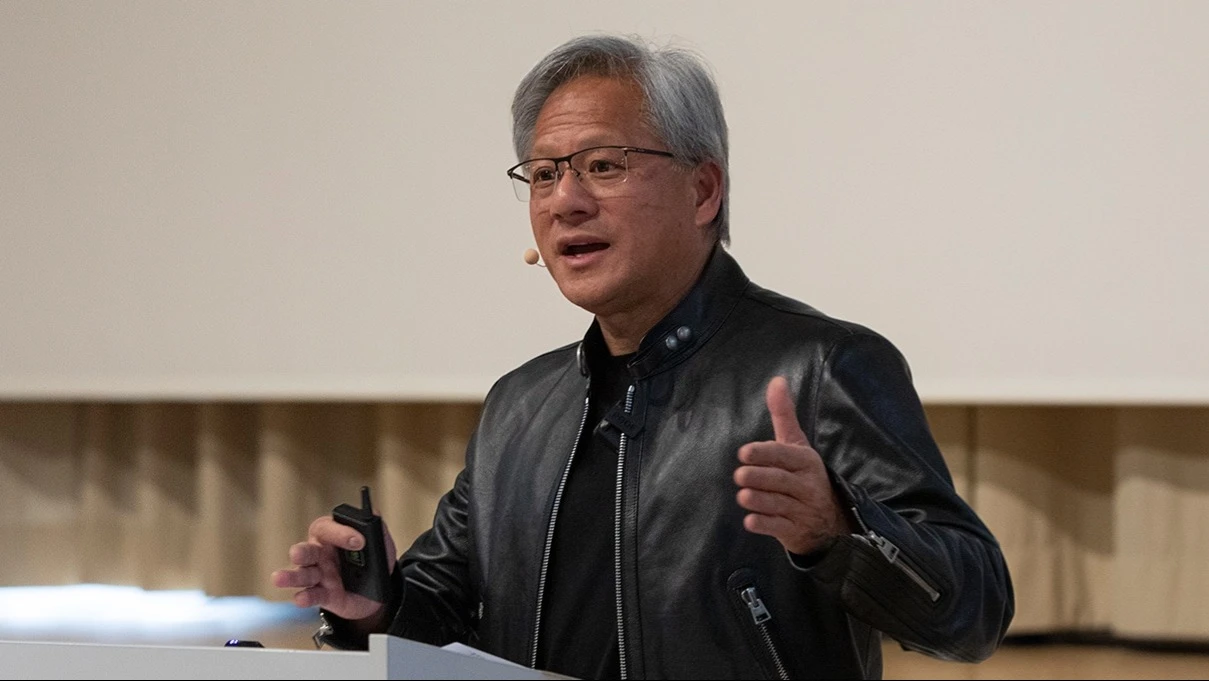
Jensen Huang apologized to Nvidia employees and said he is undergoing psychotherapy every day. Photo: Steve Travelguide/Shutterstock
Investors in Asia are selling off tech stocks amid renewed concerns about investments in artificial intelligence. The U.S. Treasury Department’s Financial Crimes Enforcement Network reported that some of its systems had been hacked a few hours after news broke of a cyber incident involving U.S. intelligence agencies. Jensen Huang apologized to Nvidia employees and stated that the company does not need a succession plan. The Donald Trump administration is preparing to announce an increase in tariffs on goods from China, the EU, and more than a dozen other economies. Read about these and other topics in our roundup of key events as of the morning of November 25.
Shares of technology companies in Asia and the U.S. fell amid concerns about AI
Shares of Asian tech companies plummeted on November 25 following the previous day’s sell-off on Wall Street, according to CNBC. Shares of Japan’s Advantest and Tokyo Electron lost about 13%, SoftBank Group fell 15%, South Korea’s Samsung Electronics and SK Hynix dropped more than 8%, and Taiwan’s TSMC fell 7%. South Korea’s Kospi fell 4.5%, and Japan’s Nikkei 225 dropped 1.4%. The previous day, the U.S. Nasdaq Composite lost 1.5%, and the S&P 500 fell 0.5% amid declines in Nvidia and Anthropic shares, with the latter’s stock falling below its IPO price, the network notes.
Jensen Huang’s return as CEO of Nvidia has not dispelled investors’ doubts about the sustainability of AI spending, according to analysts surveyed by CNBC. The market remains concerned about the outlook for demand, funding for AI infrastructure, and the return on investment. U.S. stock index futures also fell ahead of the release of U.S. inflation data for October.
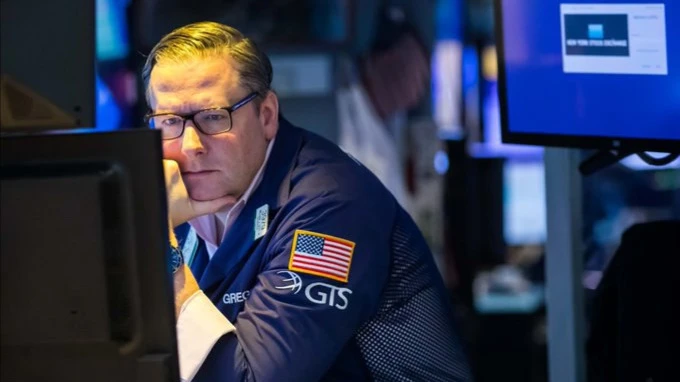
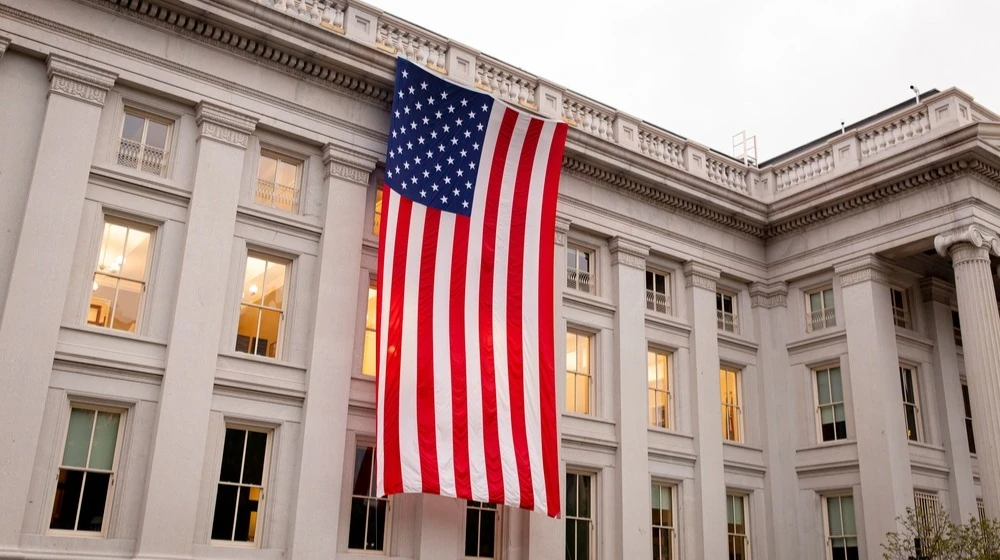
A division of the U.S. Department of the Treasury reported that its systems had been hacked
The U.S. Financial Crimes Enforcement Network (FinCEN), part of the U.S. Department of the Treasury, announced on November 24 that it is investigating an incident involving unauthorized access to some of its systems, according to The Verge. The agency did not disclose the extent or source of the breach but took some systems offline as a precautionary measure. FinCEN combats money laundering and terrorist financing, and maintains records of financial transactions and banks’ reports on suspicious activities.
A few hours before FinCEN’s statement, The New York Times reported that the CIA and the Office of the Director of National Intelligence had discovered a breach of an open-source intelligence collection system, as a result of which the attackers gained access to unclassified information. The incident also reportedly affected the U.S. National Geospatial-Intelligence Agency. It is not yet known whether these breaches are linked.
Huang apologized to Nvidia employees and spoke about his daily psychotherapy sessions
Nvidia CEO Jensen Huang apologized to company employees at a town hall meeting the day after he was reinstated and said he is undergoing daily therapy to understand the reasons behind the behavior that led to his resignation, Bloomberg reports, citing sources. Huang acknowledged that he had violated the corporate code of conduct and expressed gratitude for the second chance to lead the company. He emphasized that the board of directors would continue to require him to comply with established rules.
Huang also told employees that Nvidia does not need a succession plan in the form that a typical organization might require, according to CNBC sources. According to them, the CEO explained that Nvidia operates under a unique business model in which several competent executives are responsible for different areas of the company, and a succession plan would create an unnecessary hierarchy.
Huang stated that the board of directors reinstated him not under pressure from the White House, but after reviewing the circumstances of the case and receiving assurances that there was no threat to national security. Meanwhile, U.S. President Donald Trump’s interference in Nvidia’s internal affairs has drawn criticism from lawmakers of both parties. After rising nearly 31% on the day of Huang’s return, Nvidia’s stock fell nearly 6% on Tuesday. The company’s market capitalization has fallen by nearly $2 trillion from its October high, the agency notes.
Bloomberg has learned of U.S. plans to raise tariffs on goods from China and the EU
The Donald Trump administration is preparing to announce an increase in tariffs on goods from China, the EU, and more than a dozen other economies to replace tariffs previously overturned by the U.S. Supreme Court, Bloomberg reports, citing sources. The new tariffs will result from an investigation into countries that, according to Washington, are harming U.S. industry by subsidizing their own manufacturers. The additional tariffs will be tailored to each country, but the aggregate rates will not exceed the levels agreed upon in trade agreements, including those with the EU and China, the agency notes.
The tariffs will primarily affect industrial goods, and the restrictions on Chinese products will be broader and will not include any exemptions, according to Bloomberg sources. The exact list of goods and the effective dates of the tariffs are not yet known. According to Deborah Elms, director of trade policy at the Hinrich Foundation, the additional tariffs could range from 2% to 7.5% if the administration intends to restore them to the levels that were in effect prior to the Supreme Court’s ruling.
A U.S. jury found Huawei guilty of stealing trade secrets and money laundering
A federal jury in New York found the Chinese company Huawei guilty on 10 of 12 counts, including money laundering, conspiracy to steal trade secrets, and misleading banks about the company’s business in Iran and North Korea, according to Bloomberg. The trial lasted 11 weeks. The jury found Huawei guilty of stealing trade secrets from competitors over a 20-year period, including Cisco Systems and T-Mobile, but acquitted the company of charges of racketeering conspiracy and obstruction of justice. Huawei faces fines, asset forfeiture, and damages. Sentencing is scheduled for September 2027.
The verdict was handed down amid a new round of tensions in U.S.-China relations: the Trump administration is tightening restrictions on Beijing’s access to American chips following the scandal involving Nvidia CEO Jensen Huang, the agency reports. At the same time, Bloomberg notes, the court’s decision is unlikely to affect the trade truce between Washington and Beijing, which expires in January. Huawei called the allegations against it unfounded and said it would explore further legal options.
What's Happening in the Markets
— Japan's broad-based Topix index fell 0.7%, while the Nikkei 225 fell 3.1%.
— Hong Kong's Hang Seng Index fell 0.4%, while mainland China's CSI 300 Index fell 1.4%.
— In South Korea, the KOSPI index plummeted 6.4%, while the KOSDAQ fell 3.1%.
— Australia's S&P/ASX 200 was down 0.4%.
— Nasdaq 100 futures were down 1.4%, S&P 500 futures were down 0.8%, and Dow Jones Industrial Average futures were down 0.5%.
This article was AI-translated and verified by a human editor