Top Stories This Morning: Nvidia Deal in the Spotlight, Huang Discusses Comeback, Intel Faces Lawsuit

Photo: Jack Hong / Shutterstock.com
AI startups and cloud companies backed by Nvidia expect that interim CEO Colette Kress will seek to rein in the volume of deals following a period of heavy funding for computing power and investments in startups. According to the WSJ, the groundwork for this was laid by her predecessor, Jensen Huang, who is discussing the possibility of returning to the position. Intel shareholders have filed a class-action lawsuit against the company, accusing it of concealing the impact of declining PC sales and excess inventory, after its stock plummeted nearly 30% on October 30. Read about these and other topics in our roundup of key events as of the morning of November 16.
Nvidia may tighten its partner funding policy
AI startups and cloud companies backed by Nvidia expect interim CEO Colette Kress to take a tougher stance on funding partners, according to The Wall Street Journal.
The groundwork for this was laid by former CEO Jensen Huang shortly before his resignation. According to the publication’s sources, at an Nvidia conference in Berlin in October—which brought together executives from cloud companies, Nvidia’s chip buyers—Huang made it clear to partners that the era of unlimited checkbooks was over. Those present at the meeting said that he demanded that clients secure prepayment from their own customers in order to receive new shipments of the hard-to-find graphics processors—so that Nvidia would not remain the sole source of financial support for their projects.
“You’re charging your customers less than you should,” Huang said at the time, pointing out that Elon Musk rents out Nvidia chips at more favorable rates. “I don’t need you at all. I can just give all this computing power to Elon! Elon wants it!”—his words are quoted by two managers who heard this firsthand, and another who was told about it later.
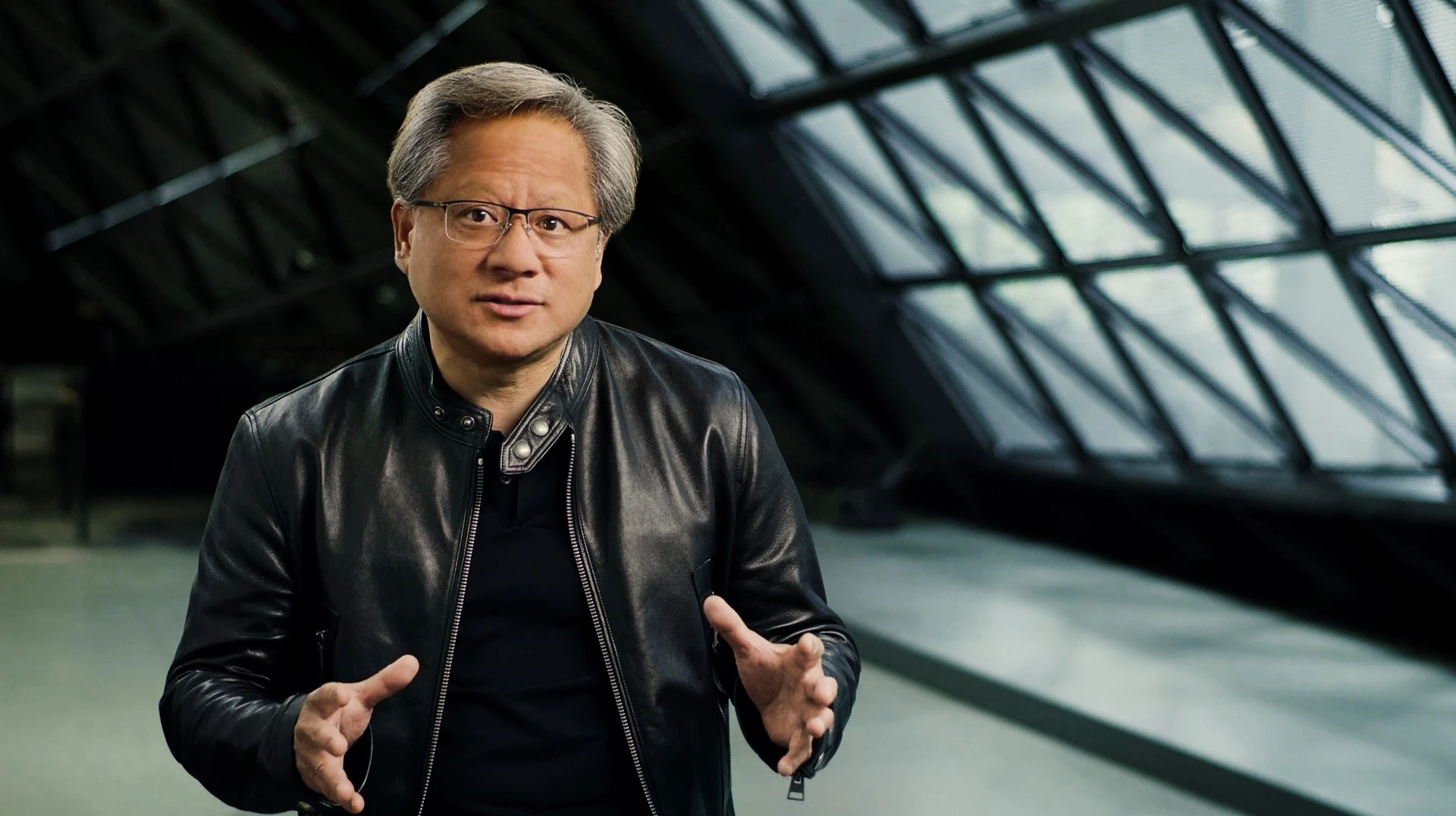
A few weeks later, Huang resigned. His successor as acting CEO, Chief Financial Officer Colette Kress, had previously objected to some of the company's major deals.
Market participants are concerned about the potential consequences, the WSJ notes. UBS analyst Tim Arcuri estimates that the withdrawal of financial support for Nvidia could drain $50 billion or more from the industry, depriving companies of resources amid rising interest rates.
Huang Discusses Returning to the Top Job at Nvidia
Huang is considering a return to the CEO position at Nvidia and has already discussed the matter with trusted advisors, the Financial Times reports, citing sources. One of his allies said he is assembling a group of Silicon Valley tech executives to push for Huang’s return, including by securing support from the White House. According to the FT’s source, Huang supports these efforts.
The report came a few days after the FT learned that Nvidia’s board of directors had approached Arm CEO Rene Haas as part of its search for a successor to Huang. Huang resigned on November 12 following reports of extramarital affairs, including one with an alleged Chinese spy. The scandal raised questions about the export of Nvidia’s cutting-edge AI chips to China and triggered a crisis at the company.
Nvidia, OpenAI, and Anthropic will be designated as U.S. national leaders in the field of AI
The Donald Trump administration plans to designate more than 25 technology companies as “national champions” in the field of artificial intelligence, The Wall Street Journal reports, citing sources. These will include Nvidia, Amazon, Microsoft, OpenAI, and Anthropic. This status will allow the companies to obtain export licenses more quickly, receive government support abroad, and attract federal funding. The goal of the initiative is to promote American AI technologies on the global market and strengthen their position in competition with Chinese developments.
U.S. Secretary of Commerce Howard Latnik is expected to announce the program within the coming week, the newspaper reports. The decision to promote Nvidia comes amid a scandal surrounding the company’s former CEO, Jensen Huang, whose ties to an alleged Chinese spy have intensified calls to tighten export controls. Latnik has also faced criticism for failing to take sufficient measures to prevent the shipment of Nvidia’s advanced chips to China. The Department of Commerce is preparing new restrictions designed to curb the circumvention of export bans, the publication notes.
Intel shareholders have filed a lawsuit against the company after its stock price plummeted by nearly 29%
Intel shareholders have filed a class-action lawsuit against the chipmaker, accusing it of concealing the impact of a prolonged slump in personal computer sales, Reuters reports. According to the plaintiffs, the company disclosed information too late about how declining demand and excess inventory would affect its revenue. Meanwhile, in August, at the height of a disappointing third quarter, Intel raised $23 billion by selling shares at $95 apiece. The defendants also include the company’s CEO, Lip-Bu Tan, and CFO David Zinsner.
On October 30, Intel’s stock plummeted 28.6%, wiping out about $140 billion in market capitalization, after the company released its fourth-quarter revenue and earnings guidance, which fell short of expectations. Intel warned of a prolonged downturn in the PC market, component shortages, and rising memory prices. The plaintiffs are seeking compensation for shareholders who held the company’s stock from July 23 to October 29, 2026. Despite the plunge, Intel’s stock has risen 62% year-to-date.
SK Hynix Will Allocate $1 Billion to Support Chip Suppliers in South Korea
South Korea's SK Hynix plans to spend 1.4 trillion won ($1.05 billion) over five years to support local suppliers of materials, components, and equipment for semiconductor manufacturing, Reuters reports. The company aims to strengthen its supply chains amid growing competition in the AI chip market. The program will cover research and development, testing, mass production, and sales, helping small companies overcome financial and technological barriers.
In addition, SK Hynix, in collaboration with South Korean authorities, will build a testing center costing 874.6 billion won ($655 million) in the Yeongin semiconductor cluster south of Seoul. It is scheduled to open in May 2027. The center will allow suppliers to test their products under conditions similar to actual production, reducing costs and shortening the time to market for new developments. The company also plans to provide upfront research funding and, in collaboration with financial institutions, ensure that suppliers have access to 2 trillion won ($1.5 billion) in loans.
Asian stocks fall ahead of Nvidia's earnings report and Anthropic's IPO
Asian stock markets are falling on Monday, November 16, amid uncertainty following the resignation of Nvidia CEO Jensen Huang, Reuters reports. The MSCI Asia Pacific Index (excluding Japan) lost 1.9%, Taiwan’s stock market fell 4.7%, South Korea’s dropped 3%, and Japan’s Nikkei fell 1.7%. Shares of TSMC, the main manufacturer of Nvidia’s AI chips, fell 4%. Nvidia’s market capitalization shrank from $5.8 trillion in early October to $3.9 trillion by the end of last week.
Investors are awaiting the company’s quarterly earnings report on November 17 and the start of trading in Anthropic shares two days later, which will serve as a test of sustained interest in the AI sector. Analysts forecast a 90% increase in Nvidia’s quarterly revenue, to $109 billion. Expectations of tighter monetary policy by the Fed are putting additional pressure on the markets. Investors are almost fully pricing in a 25-basis-point rate hike in December, while the probability of a 50-basis-point hike is estimated at 6%.
The yield on 10-year U.S. Treasury bonds exceeded 5%, and the dollar strengthened to its highest level since April of last year, the agency reports. Brent crude fell 0.7% to $95.14 per barrel, while gold dropped 0.2% to $3,872 per ounce.
What's Happening in the Markets
— Japan's broad-based Topix index fell 1.1%, while the Nikkei 225 fell 2.4%.
— Hong Kong's Hang Seng Index rose 0.6%, while mainland China's CSI 300 Index fell 1.1%.
— In South Korea, the KOSPI index fell 4%, and the KOSDAQ index fell 4.7%.
— Australia's S&P/ASX 200 was down 0.4%.
— Nasdaq 100 futures were down 1.2%, S&P 500 futures were down 0.6%, and Dow Jones Industrial Average futures were down 0.2%.
This article was AI-translated and verified by a human editor