U.S. retail sales in December fell short of expectations. What this means for the economy

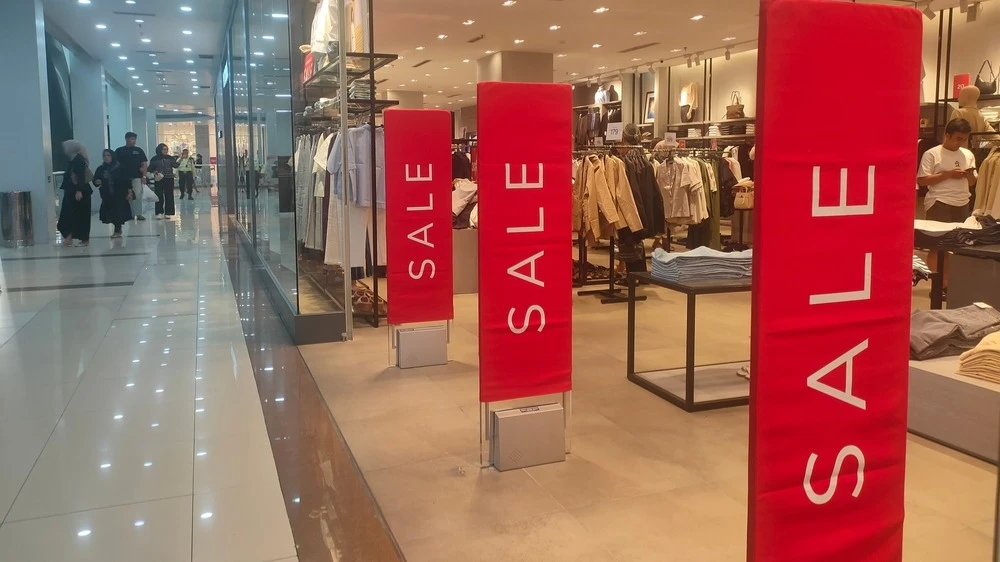
U.S. retail sales unchanged ahead of 2026 / Photo: Qis2020 / Shutterstock
U.S. retail sales in December 2025 unexpectedly remained flat in December, unchanged from November, indicating a slowdown in consumer spending and the economy as a whole ahead of 2026, Reuters notes. Economists surveyed by the agency had expected a 0.4% increase in retail sales in December - a measure that mainly reflects sales of goods and is not adjusted for inflation.
Zero retail sales in December followed a 0.6% increase in November, the U.S. Commerce Department's Census Bureau reported. The agency is still catching up on its data release schedule after delays caused by last year's government shutdown, the agency points out, noting that November's data was not revised to reflect the update.
Retail sales excluding autos, fuels, building materials, and general merchandise decreased 0.1% in December, according to the Census Bureau. Meanwhile, the figure for November was revised downward earlier, rising 0.2% instead of the previously announced 0.4%. These so-called "core" retail sales are most closely tied to the consumer spending component of GDP, the agency explained.
A decline in December and revisions to November data could prompt economists to cut estimates of consumer spending and GDP for the fourth quarter, Reuters notes. Consumer spending grew at a brisk pace in the third quarter of 2025, accounting for much of the 4.4% annualized growth in the U.S. economy over that period, the agency points out, noting that the Federal Reserve Bank of Atlanta forecasts a 4.2% increase in fourth-quarter GDP.
How has the market reacted?
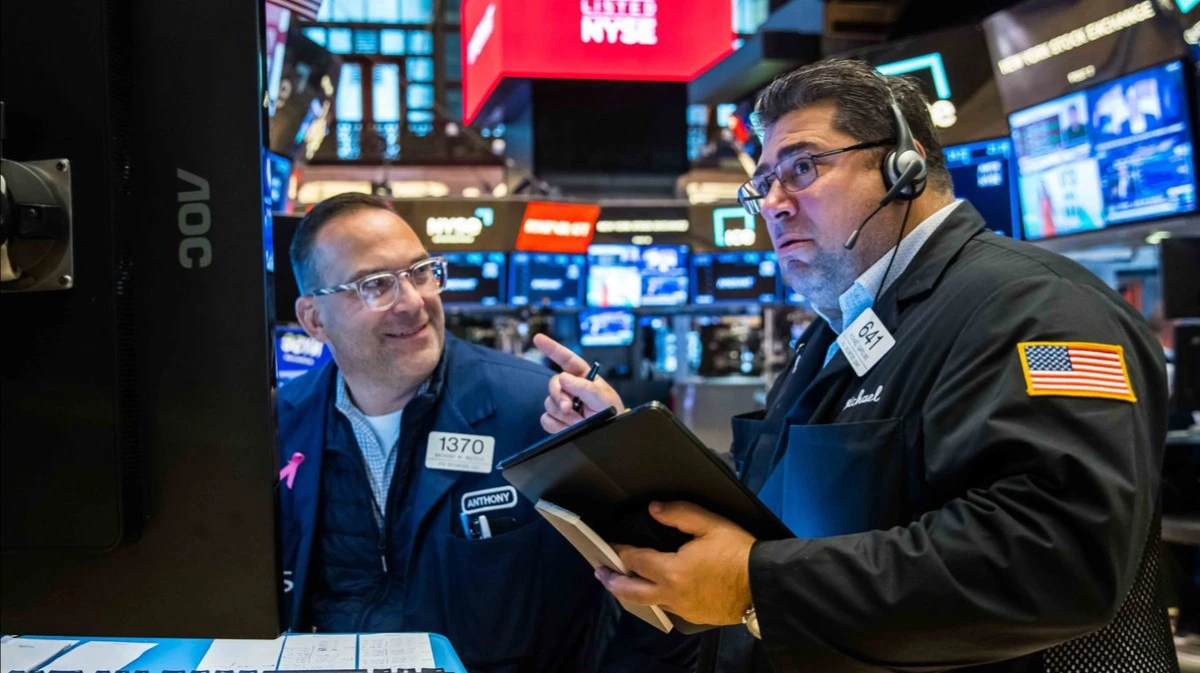
- The tech-heavy Nasdaq Composite index was up slightly, plus 0.05%, in trading on Feb. 10 after the release of retail sales data.
- The S&P 500 index added 0.11%.
- The Dow Jones industrials were up 0.33 percent.
- The Russell 2000 index of small-capitalization companies was adding 0.18%.
- The Cboe VIX volatility index, which is also called the "Wall Street fear index", was losing slightly and stopped at 17.4. The level of 20 is considered psychologically important.
"After strong growth [last spring and summer], retail sales were down slightly in December," said Steven Stanley, chief economist at Santander Capital Markets. - 'Overall, the Christmas season was good, but households were shopping in advance,' he added (quoted by MarketWatch). During the spring and summer, the publication explains, Americans spent more money than usual to avoid higher prices associated with increased U.S. duties. They apparently cut back on purchases in the second half of the year to offset activity in early 2025.
This article was AI-translated and verified by a human editor