U.S. stocks had their best August since 2021. September could prove to be challenging



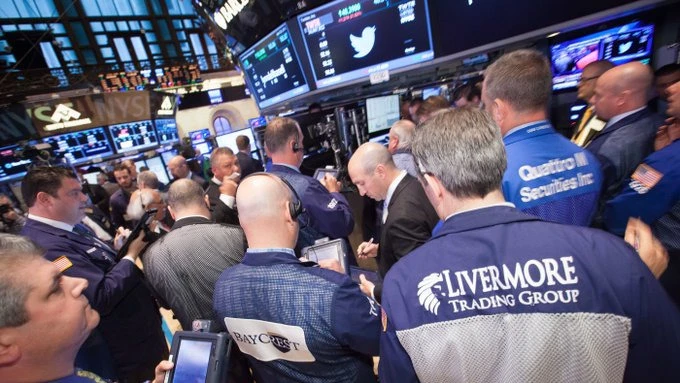
September is traditionally the weakest month of the year for stocks / Photo: X/NYSE
Two U.S. stock indices—the S&P 500 and the Nasdaq Composite—posted their best August gains since 2021, according to Barron's. However, on the last day of the month, the major U.S. market benchmarks fell due to the resumption of hostilities in the U.S.-Iran conflict and the ensuing spike in oil prices.
Details
The S&P 500 rose 2.6% in August, while the Nasdaq Composite gained 3.9%, according to Barron's. The Dow Jones Industrial Average, a blue-chip index, rose 1.3%— marking its fifth consecutive month of gains, according to MarketWatch.
On Monday, August 31, however, the former fell by 0.33% and the latter by 0.12%. The Dow Jones lost 0.7%, and the Russell 2000 index of small- and mid-cap companies fell by 0.5%. Only the Nasdaq 100, in which tech giants hold significant weight, posted a slight gain.
The dollar fell for the second month in a row: U.S. plans to accelerate the repurchase of government debt put pressure on the U.S. currency, according to Bloomberg. The Bloomberg Dollar Spot Index lost 0.9% in August after falling 1.3% in July. This year, the index has declined in five out of eight months and is now experiencing its longest streak of monthly declines since February, the agency notes.
Brent crude prices rose above $90 per barrel again on Monday after the U.S. and Iran resumed mutual military strikes for the first time in about a month. Over the past two months, Brent has risen 25%, and 48.7% since the beginning of the year, according to Dow Jones Market Data cited by MarketWatch.
At the same time, the yield on 10-year U.S. Treasury bonds rose above 4.75% on August 31 for the first time since January 2025, Bloomberg noted. This was driven by oil prices as well as a speech by Fed Chair Kevin Warsh in Jackson Hole on Friday, August 28, which markets interpreted as a “hawkish” signal pointing to a likely tightening of monetary policy. Although much will depend on employment and inflation data, the money market currently puts the probability of a rate hike in September at over 50%, according to Bloomberg.
What to Expect in September
Investors are now turning their attention to September, which is historically considered the weakest month for stocks. On average, the S&P 500 and the Dow Jones fall by 1.1% in September, while the Nasdaq drops by 0.8%, according to Barron’s. If we add to the stock market’s traditionally weak seasonal performance the renewed geopolitical tensions and rising oil prices, as well as analysts’ expectations that the Fed may raise rates at its meeting on the 16th, September could turn out to be a challenging month for investors, the publication notes.
Market participants should brace for increased volatility in September, according to Chris Galipo, senior market strategist at the Franklin Templeton Institute, whose note is cited by MarketWatch. Galipo recommends that investors buy stocks on pullbacks but, at the same time, increase their allocation to longer-term bonds, given the rise in 10-year Treasury yields. “History suggests that this is a fairly attractive level,” Galipo noted.
“Traders are keeping an eye on both geopolitical and potential seasonal volatility, so it will be interesting to see which of last week’s market trends carry over into this week,” ” Chris Larkin, head of trading and investments for E*TRADE at Morgan Stanley, told Bloomberg. “Unexpectedly strong labor market data could be perceived by the market as bad news, as it could reinforce expectations of a rate hike.”
This article was AI-translated and verified by a human editor