U.S. stocks fell. Trump threatened Iran with a new strike

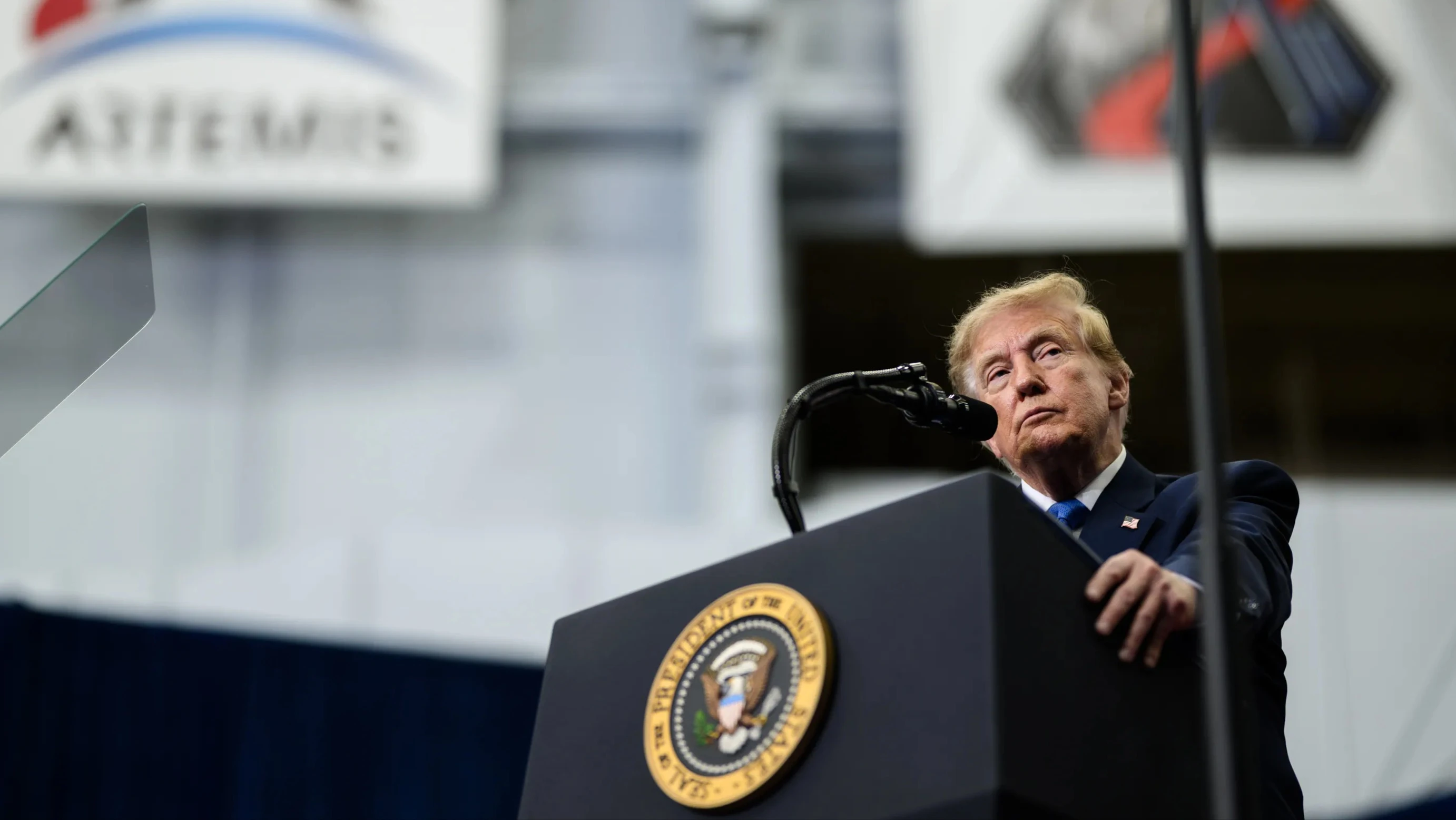
Photo: The White House
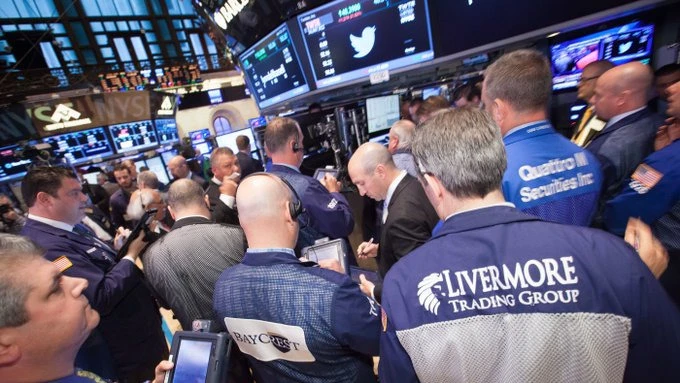
Major U.S. stock indices fell during trading on August 31. U.S. stocks are under pressure due to the latest escalation of the conflict in the Middle East, as well as a decline in the value of utility stocks, which are sensitive to changes in interest rates, according to Bloomberg.
Details
The S&P 500, a broad U.S. stock market index, fell 0.45%; the tech-heavy Nasdaq Composite dropped 0.43%; and the Dow Jones Industrial Average, a blue-chip index, lost 0.64%. Bloomberg notes that ten out of the 11 S&P 500 sectors are down. Among the sectors leading the decline are utilities and telecommunications. For example, shares of PG&E, one of the largest utility companies in the U.S.,E, fell 20% during trading on August 31 (which could mark their worst performance since March 2020), while shares of Edison International plummeted 22% (heading for their worst day since April 2001) — investors reacted to a California bill intended to overhaul the state’s wildfire response system while maintaining publicly traded utility companies’ liability for such incidents.
In contrast, energy stocks rose on August 31: Chevron and ConocoPhillips gained 1.8% and 1.3%, respectively, on Monday. They are being supported by rising oil prices (Brent contracts jumped more than 2%, above $90 per barrel, while WTI futures are trading above $85). Investors are reacting to the latest escalation of tensions in the Middle East. On Sunday, the U.S. and Iran exchanged strikes on each other’s positions for the first time in more than a month, after which U.S. President Donald Trump promised in an interview with a Fox correspondent to deliver another “strong blow” to the Islamic Republic.
The day before, Iran announced an attack on two U.S. bases in Jordan—according to Tehran, the attack was in response to a U.S. strike on Larak Island in the Strait of Hormuz.
What People Are Saying in the Market
“There are no significant economic reports or statements from the Fed today, so the focus will be on geopolitics,” said Tom Essay, founder of The Sevens Report, commenting on the market situation on Monday. “Markets remain firmly convinced that there will be no major military escalation between Iran and the U.S., but if news on this front turns negative, it will create new headwinds for the market,” he added (as quoted by Bloomberg).
Markets are also keeping an eye on the macroeconomic situation, according to CNBC. On Friday, speaking at a symposium in Jackson Hole, Fed Chair Kevin Warsh said he was concerned about inflation: “Although [inflation] figures this summer turned out to be better than expected, they do not indicate to me that underlying trends have improved significantly,” he said.
“Given Warsh’s reluctance to send [the market any] signals [regarding the trajectory of the regulator’s policy], we doubt that this [speech by the Fed chair] was intended as a harbinger of a monetary policy tightening in September,” noted Barclays economist Jonathan Millar. However, “[Warsh’s] hawkish stance makes a 25-basis-point rate hike in September more likely than not,” he added.
This article was AI-translated and verified by a human editor