An analyst named three stocks that rose as the Russell 2000 fell. The correction is working in their favor.

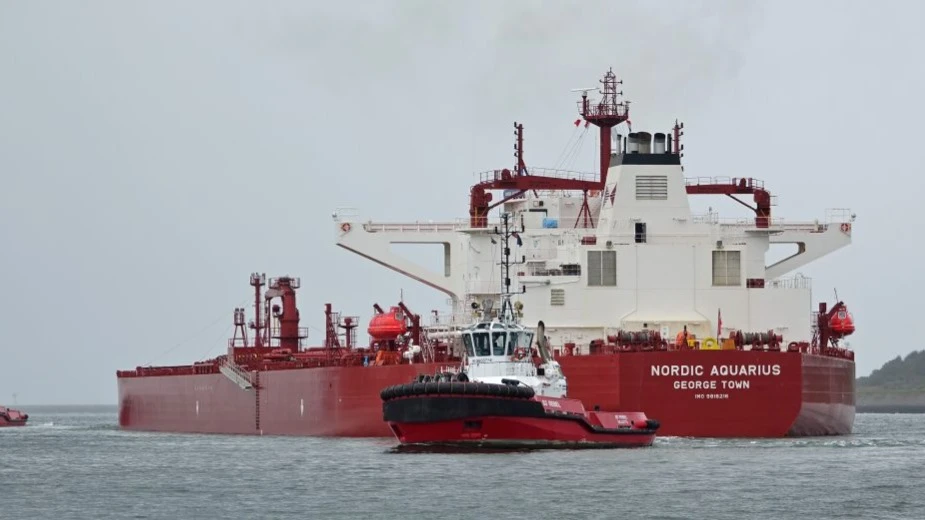
Nordic American Tankers, a shipping company with a market capitalization of $1.67 billion, owns and operates a fleet of large-capacity oil tankers / Photo: www.nat.bm
The Russell 2000 Index, which tracks small- and mid-cap companies, entered correction territory this week, falling 11% from its peak. But there are three small-cap stocks with fundamentally strong financials that have outperformed the market, writes Stephen Kress, head of quantitative strategies at Seeking Alpha.
Kress advises buying their stocks and explains that the recent correction may open up new opportunities for investors. However, despite their significant growth potential, small-cap stocks are not suitable for everyone due to their high volatility and risk, the strategist notes.
Here are the three companies he mentioned:
Fortrea Holdings (ticker symbol FTRE)
Fortrea, a contract research organization with a market capitalization of $2.16 billion, conducts clinical trials of drugs on behalf of other pharmaceutical companies. Over the past month, its stock has risen 15.3%, while the Russell 2000 has fallen 3.4%.
Fortrea operates in 20 therapeutic areas, including oncology, immunology, rare diseases, and cardiovascular diseases. Its scale, flexibility, and specialization in early-stage research give this contract research organization an edge over its competitors, Kress notes.
At the end of the second quarter, the company’s revenue fell 4.5% year-over-year to $678.2 million. However, the analyst points to another metric—adjusted EBITDA for the reporting period rose 7% to $58.7 million. Net new business in the first half of the year rose 19% year-over-year, prompting management to raise its full-year 2026 forecast, Kress continues. He believes that improving margins and strong long-term prospects make Fortrea stock a good buy.
Seven Wall Street analysts agree with him and have assigned the company’s stock a “buy” rating. Another five analysts believe investors should hold onto the company’s stock, and two advise selling it. The average target price is $22.18, which is slightly below the most recent closing price.
Riley Exploration Permian (REPX)
Riley, with a market capitalization of just over $1 billion, is engaged in horizontal drilling in the Permian Basin in the United States. Rising oil prices and increased production have led to significant growth in the company’s cash flow and profits, according to Kress.
At the end of the second quarter, rising oil prices led to a 35% increase in Riley’s cash flow from operating activities compared to the previous quarter, reaching $63.5 million. Revenue rose 94% year-over-year to $166 million. Citing high production volumes, projects to improve production efficiency, and improved drilling performance, Riley raised its full-year oil production forecast by 2% and now aims to reach 23,000 barrels per day (+30% year-over-year), Kress reports.
The strong financial results were reflected in the stock price: it has soared 79% since the beginning of the year and nearly 5% over the past month.
The company’s stock has five ratings from Wall Street analysts, all of which are “buy.” The average price target is $52.4, which is 11.5% above the latest closing price. Another plus is the dividends, according to the Seeking Alpha article. The company has paid them quarterly since going public in 2021, and the projected dividend yield is 3.45%, writes Kress.
Nordic American Tankers (NAT)
Nordic American Tankers, a shipping company with a market capitalization of $1.66 billion, owns and operates a fleet of large-capacity oil tankers. It serves oil giants such as ExxonMobil, Shell, and BP. According to Kress, the company may continue to benefit from record-high freight rates amid the conflict in the Middle East, which is disrupting usual shipping routes and limiting the availability of vessels.
NAT is currently in its best position in a decade, and although we are only halfway through 2026, this year is on track to be the best since the company went public in 1995, she wrote in her report on the second-quarter 2026 results. The vessels generate $60,000–90,000 per day on the spot market, while daily operating expenses amount to less than $10,000. This has led to a significant accumulation of cash—currently $175 million, according to the press release.
Kress specifically highlights the company's profitability. The analyst notes that the free cash flow margin, adjusted for debt, is particularly impressive at nearly 20 percent, compared with the sector average of 6 percent.
Since the beginning of the year, the shipping company’s stock price has soared by more than 127%. But that’s not all, according to an article on Seeking Alpha: over the past five years, NAT shares have delivered outstanding total returns thanks to strong price growth and solid dividends. The company has paid dividends for 28 consecutive years.
Over the past two days, starting on October 13, the company's stock has plummeted 11% to $7.82—and this could be a good opportunity to buy on the dip, the analyst notes.
Wall Street generally shares his view. The company's stock has three "buy" ratings from analysts, while one analyst recommends selling it. The average price target of $7.50 is below the current market price.
How Kress Chose the Companies
Kress’s list includes stocks that have consistently received “buy” recommendations, as well as high ratings across the five factors considered by Seeking Alpha’s proprietary screener. Three of these—Value (assessing a stock’s value based on several multiples compared to competitors), Growth (growth in financial metrics), and Profitability (assessing a business’s margins)—help identify high-quality, undervalued companies. The other two—Momentum (which assesses stock momentum) and EPS Revisions (which tracks revisions to earnings per share forecasts)—help identify the best time to buy stocks. He then focused on stocks that were outperforming the Russell 2000. Kress used August 14 as his starting point—that was when the benchmark for small-cap companies peaked.