IPO City: A biotech company developing "switches" to turn off harmful genes has gone public
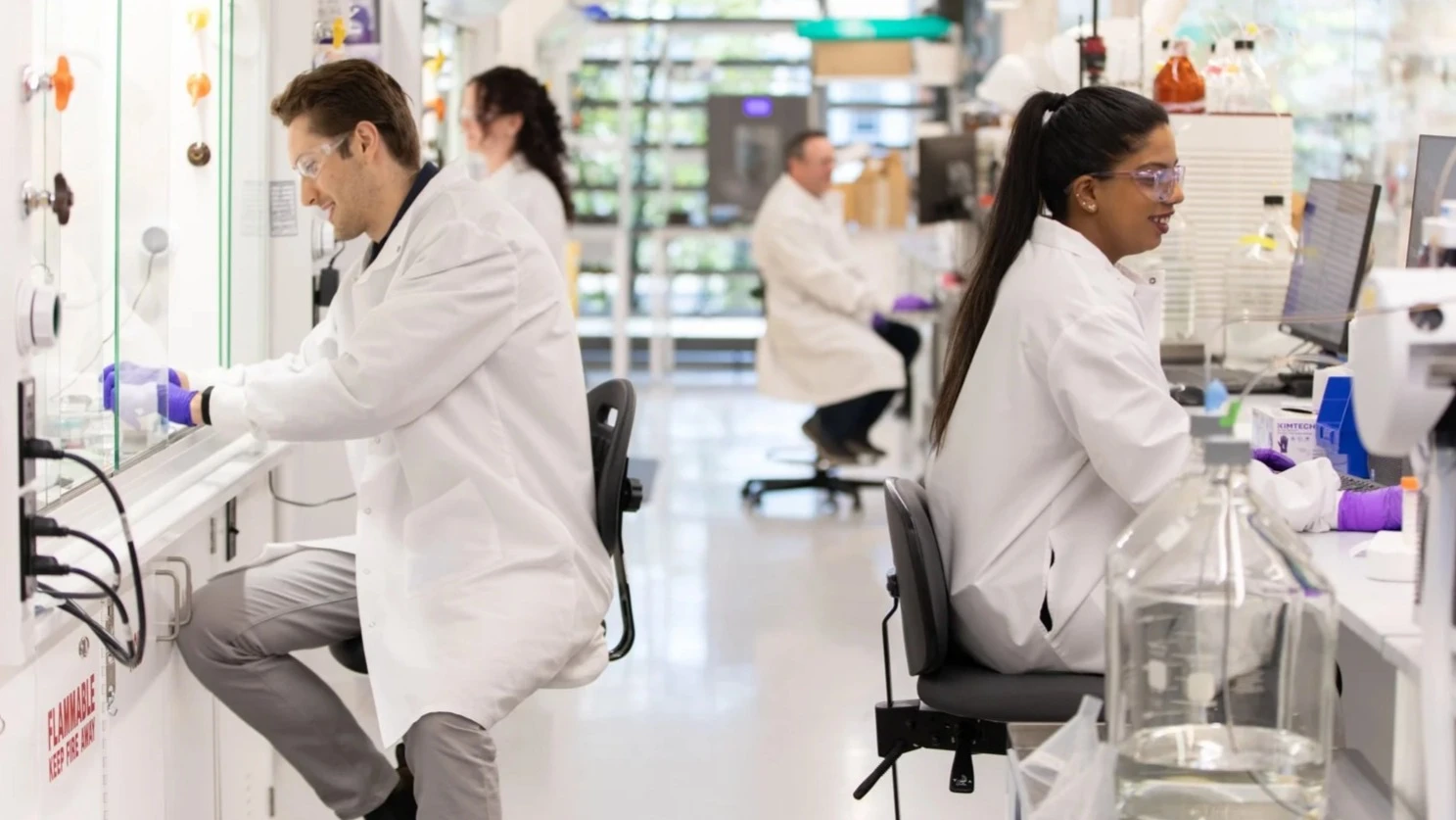
Trading in City Therapeutics shares has begun / Photo: City Therapeutics
Pre-market trading in shares of biotech company City Therapeutics, a developer of RNA interference therapies—a kind of“switch”for defective genes—began on the Freedom client trading platform. Its investors include a fund managed by Fidelity Management, and its partners include Biogen, the manufacturer of Spinraza, one of the world’s most expensive drugs. Later on October 16, City’s shares will be listed on Nasdaq under the ticker symbol CTY.
Details
The biotechnology company City Therapeutics raised $200 million in an expanded IPO on the Nasdaq. It sold 11.11 million shares—14% more than originally planned —at $18 per share, right in the middle of the previously announced price range. Bloomberg calculated that this values the entire company at $906 million.
Goldman Sachs, Jefferies, and Stifel, Oppenheimer & Co. served as underwriters for the offering. They were granted a 30-day option to purchase up to 1.67 million shares of the company.
Most of the proceeds from the transaction will be used to continue clinical trials of City’s products, with the remainder going toward replenishing working capital, according to the IPO prospectus filed with the regulator.
What Makes City Interesting
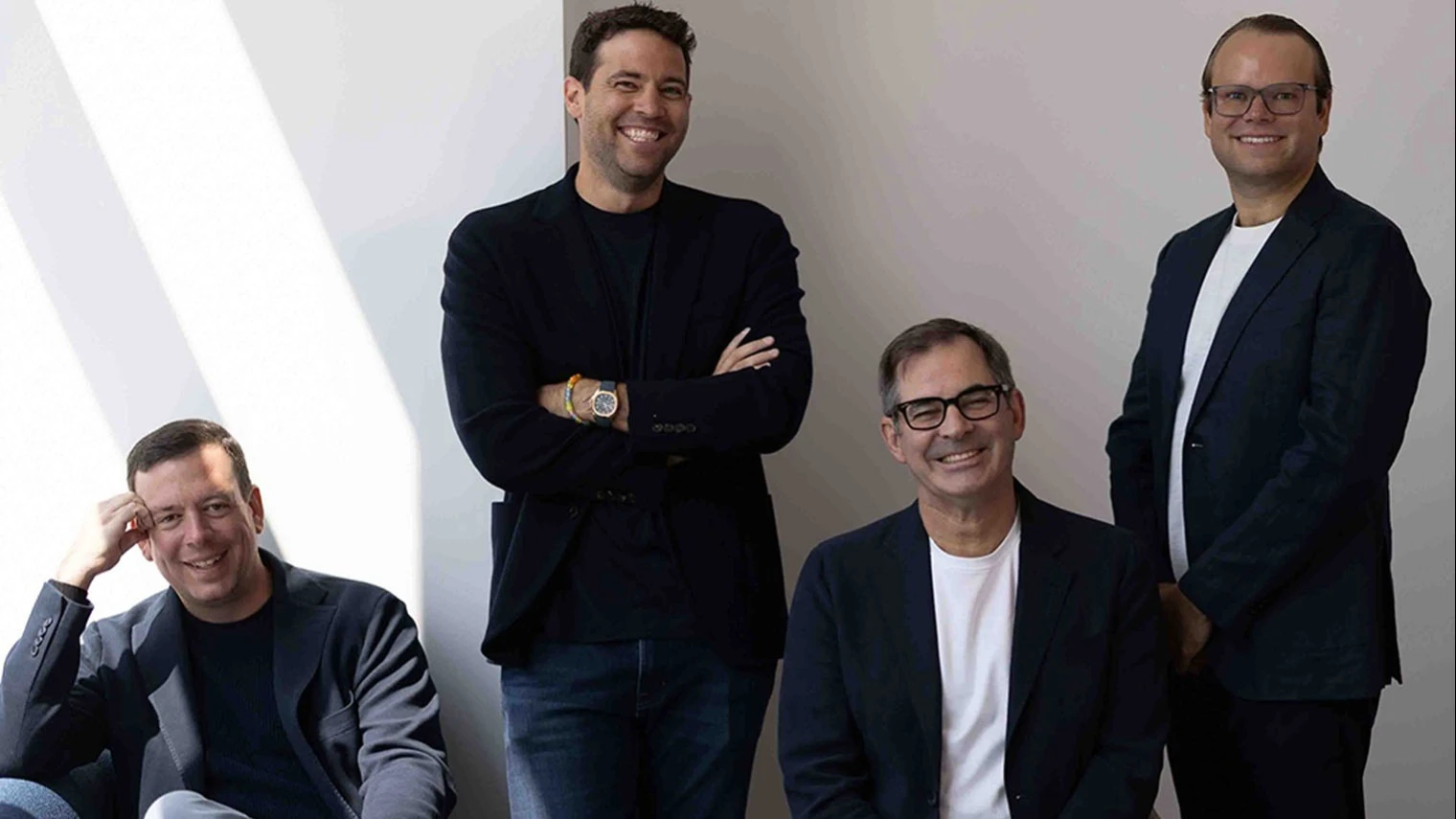
City Therapeutics is a very young startup. It was founded in 2023 by John Maragano and his partners; prior to that, Maragano had served as CEO of the pharmaceutical company Alnylam for nearly 20 years. Alnylam was the first company in the world to bring RNA interference-based drugs to market.
In 2021, when explaining his resignation, Maraganoor joked that he wanted to become a sort of “grandfather” to the industry: “You get all the joy and pleasure of spending time with your grandchildren, but you don’t have to take care of them around the clock.” He said he was tired of the day-to-day operations but still had a tremendous passion for science, and now plans to help other entrepreneurs and companies.
Everything changed in 2023, when Maragano came across an article by chemist Kotaro Nakanishi of Ohio State University. Together with his colleagues, Nakanishi had discovered a new type of tiny RNA molecules and hypothesized that, within the human body, they could reach places that traditional interfering RNAs cannot.
“I thought, ‘Wow, this is incredibly interesting!’ I talked to my colleagues at [venture capital firm] Arch [Venture Partners], and we decided to start a company,” Maraganor said.
Thus, Nakanishi's hypothesis became the foundation of the startup, and he himself became one of its scientific founders.
In addition to Arch, Fidelity Management & Research was among City’s early investors, followed by the hedge fund Viking Global Investors and the venture capital firm Sofinnova Investments. In total, the biotech company raised approximately $238.8 million, according to its IPO prospectus.
City currently has three in-house developments in its portfolio. One of them, for the treatment of thrombosis, is already in the early stages of clinical trials. The other two are for Stargardt disease, a hereditary condition that causes progressive vision loss, and for the treatment of a specific type of anemia.
In addition, the startup has two partnership programs: one with Bausch + Lomb for the treatment of eye diseases, and another with Biogen for the treatment of neurodegenerative diseases. These projects have not yet reached the human trials stage.
What Investors Need to Consider
The development of biopharmaceutical products is extremely risky, the company warns in its IPO prospectus. It has no products approved by regulators, and there is no guarantee that it ever will. So far, the only source of revenue for the company is partnerships. For the six months ended June 30, 2026, revenue from these partnerships totaled $6.4 million, with a net loss of $53.4 million and an accumulated deficit of $142 million. The company warns that losses will be significant for the foreseeable future.
The main risk for City stems from the rejection of its drugs or poor trial results, which could significantly affect the stock price in the future, says Freedom analyst Alem Bektemirov. The broker has set a price target of $20 for the company’s shares, which is 11% above the offering price. His calculations are based on a model projecting that the biotech company’s revenue could reach $261 million in 2032, with discounted revenue (accounting for a risk discount) at $159.81 million.
_______________________
Freedom Broker clients will be able to trade City shares before the main trading session opens. Trading will begin in the early pre-market session 2–3 hours before the U.S. markets open (from 3:30 p.m. to 4:30 p.m. Astana time). To participate, click on the CTY ticker.