UBS: The world's richest families are reducing their investments in the dollar. Where are they going?

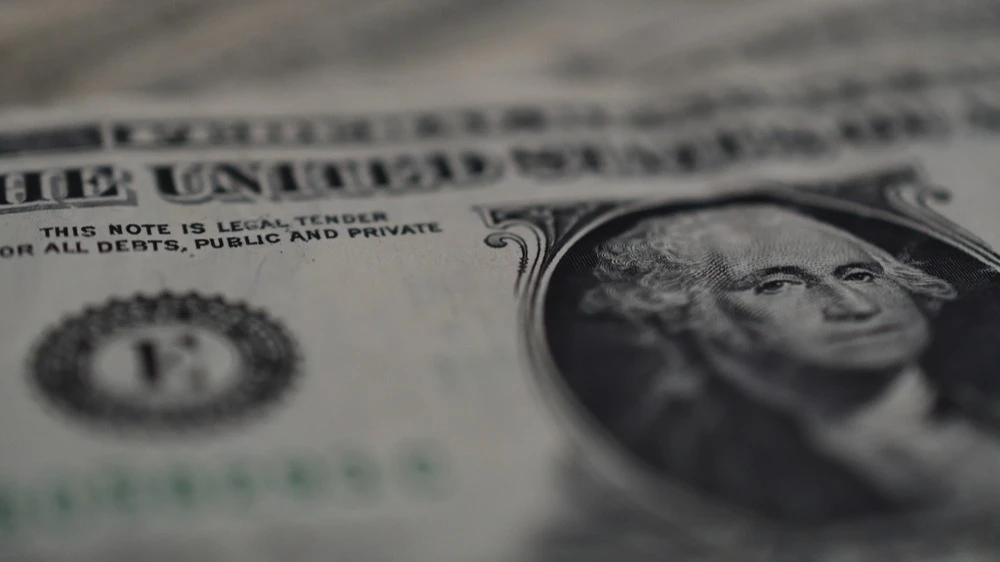
UBS report: global family offices are leaving the dollar / Photo: JoeB777 / Shutterstock
The world's richest families are reducing investments in the U.S. dollar, as geopolitical tensions and growing sovereign debt force them to reassess portfolio risks. This is stated in a report of the Swiss bank UBS, published on Thursday, Ma. 28. Attention was drawn to it by Reuters.
Details
According to the survey, about two-thirds of family offices surveyed expect confidence in the U.S. currency as a reserve currency to weaken over the course of the year. The survey was conducted between January and the end of March, that is, before the dollar began to show outperformance against many other currencies, writes Reuters. In total, the Swiss financial conglomerate surveyed 307 clients around the world. The average size of net assets of the families involved in the survey amounted to $2.7 billion.
Nearly half of those surveyed concluded that they have an excessive amount of investments in the U.S. currency across asset classes, UBS strategist Maximilian Kunkel said in a Reuters statement. Plans to reduce positions in dollar-denominated assets reflect a broader review of investment portfolios with a high concentration in the U.S., the bank found. The family offices plan to build up exposure to emerging market equities and infrastructure projects, while trimming real estate investments.
"For the first time we feel that family offices want to build up a presence in Asia-Pacific and, to some extent, also in Western Europe," UBS top executive Benjamin Cavalli said, as quoted by Reuters.
This mainly affects family offices outside the United States, although the desire for dedollarization, albeit very limited, is shown by U.S. family offices as well.
Geopolitical conflicts have become a major cause for concern by a huge margin, leading family offices to combine changing asset allocation structures with multishoring strategies (asset allocation between different countries), UBS noted.
Context
Despite the dollar index's recent surge to multi-week highs on the back of the Middle East conflict, demand for protective assets and expectations that the US Federal Reserve may raise interest rates by the end of the year, its long-term structural invulnerability remains questionable, Sergey Romanchuk, a financier and member of ACI's Foreign Exchange Committee, wrote in April. At the same time, the dollar's global position as the planet's main reserve currency remains stable: more than 56% of the world's official reserves are denominated in it, and it still dominates international settlements.
This article was AI-translated and verified by a human editor