US will allow exports of powerful Nvidia chips to important Chinese market - Semafor source

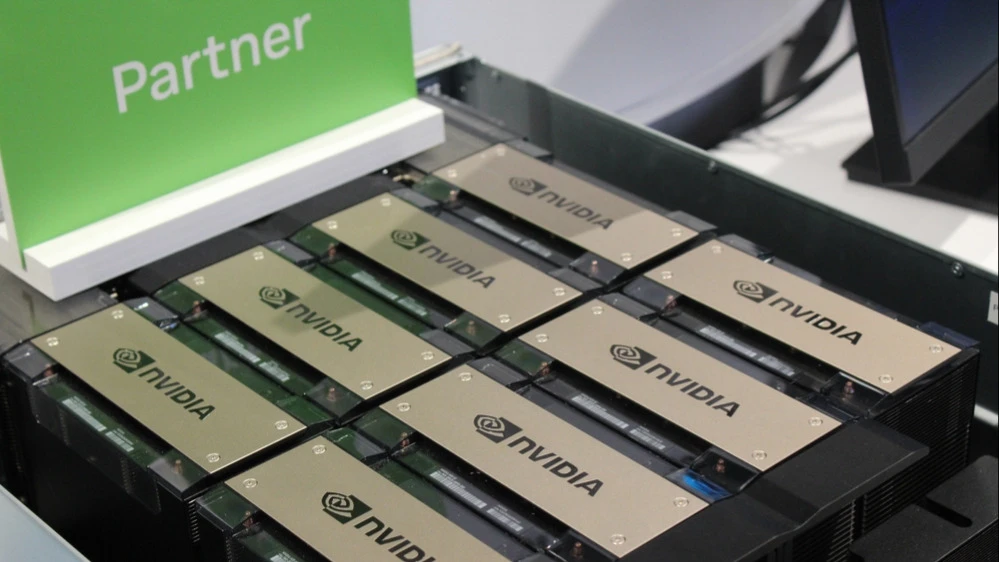
The US Department of Commerce will soon authorize the export of Nvidia's H200 AI chips to China, industry publication Semafor reported, citing a source. The chipmaker's shares jumped after the publication.
Details
The White House plans to direct the U.S. Commerce Department to allow exports of Nvidia's powerful H200 AI chips - in a search for a compromise on controlling the supply of the technology to China, a source told Semafor. The same was reported by a Reuters interlocutor and confirmed by CNBC. These processors are about 18 months behind the company's most advanced solutions, but almost six times more powerful than the "cut-down" version H20, created specifically for sale to the Chinese market.
Thus, the U.S. presidential administration is trying to find a middle ground between those who oppose any supply of advanced AI-chips, and those who fear that severe restrictions will strengthen the position of Chinese competitors Nvidia, Semafor notes. In addition, it will allow to meet the demands of the Chinese authorities, which blocked the import of chips with insufficient power, such as H20, the publication writes.
U.S. Commerce Secretary Howard Lutnick said in November that the decision on chip exports is in the hands of President Donald Trump. According to Semafor's source, Lutnick supports the idea of H200 shipments. A spokesman for the ministry declined to comment to Semafor.
Nvidia shares jumped 2.2% after the publication, but then slowed down to remain in the plus side at around 1.2%.
Why it's important
China's access to advanced AI chips, especially those made by Nvidia - the world's largest technology company by capitalization - remains a key point of tension in the standoff between Beijing and Washington, D.C. Exporting the H200 could help maintain U.S. technology dominance around the world while supporting Nvidia's revenue by giving it back the huge China market, Semafor notes. In October, the chipmaker's head Jensen Huang said the company's share there had collapsed from 95% to zero.
The United States began imposing strict export restrictions under the Biden administration in an effort to prevent China from catching up with U.S. companies in the field of AI. However, according to Semafor sources familiar with the White House's position, some in the current administration believe the bans have largely failed to achieve their goals. Chinese companies such as DeepSeek and Alibaba have created world-class AI models, and Huawei has made significant progress in developing hardware solutions to compensate for the lack of chips from the US.
Supporters of the restrictions argue that it has helped slow China's technological progress and given U.S. companies a head start in gaining global market share at a critical time, the publication recalls. "Hawks" in Washington fear that the sale of more advanced AI chips could help Beijing accelerate the development of military technology. On December 4, a group of Democratic and Republican senators introduced a bill that, if passed, would prevent the Trump administration from relaxing at will the rules for exporting AI chips to China.
The news is supplemented.
This article was AI-translated and verified by a human editor