"Wall Street bulls expect U.S. stocks to rally despite Iran war
But there are skeptics - among them JPMorgan CEO James Dimon

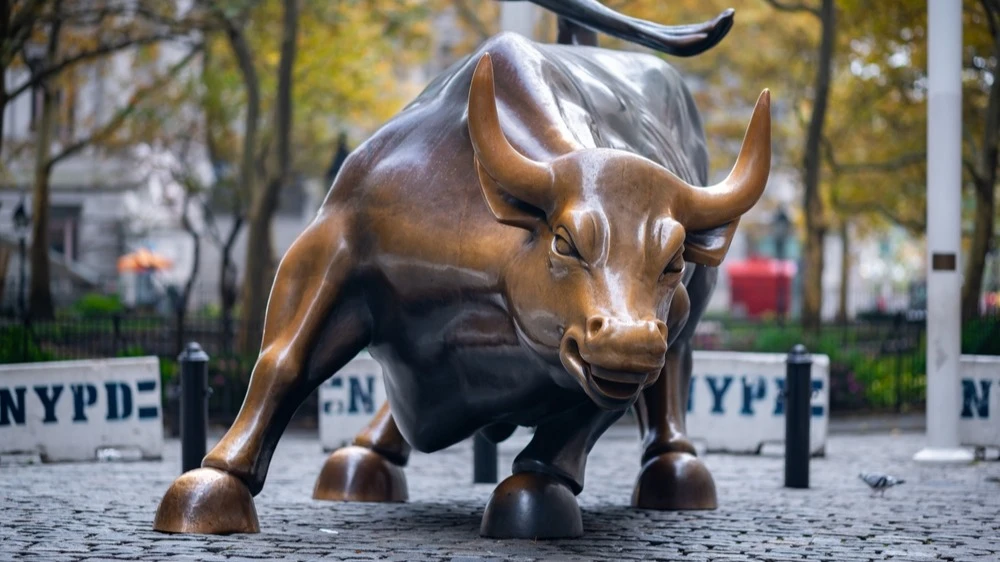
Wall Street analysts tracked by Bloomberg remain optimistic despite the conflict in the Middle East / Photo: VOJTa Herout / Shutterstock
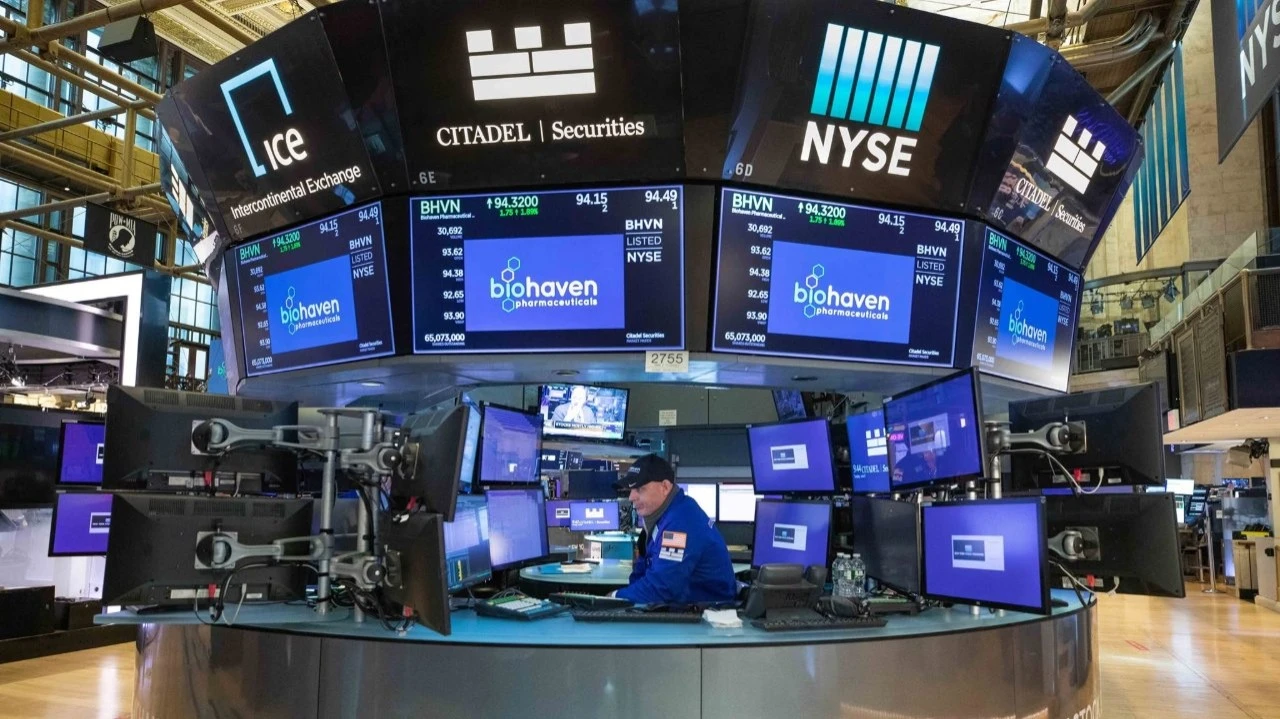
Analysts of the largest investment banks and investment companies on Wall Street - from Morgan Stanley to Piper Sandler - did not change their positive forecasts for U.S. stocks, despite the escalation of the conflict in the Middle East, writes Bloomberg. According to Wall Street's consensus forecast, the S&P 500 could add about 10% by the end of 2026. However, the head of JPMorgan James Dimon warns: in his opinion, there is "excessive complacency" in the markets. The U.S. market fell sharply in trading on March 3.
Details
Despite the current geopolitical risks, as well as threats related to the impact on AI businesses, most Wall Street analysts who were bullish on the S&P 500 Index early this year and late last year have maintained their positive assessments on U.S. equities by the end of December 2026. Among them - including strategists at Bank of America, Morgan Stanley, Piper Sandler, writes Bloomberg. Moreover, according to Bank of America's sell-side sentiment indicator - an indicator that reflects strategists' recommendations on asset allocation between stocks, bonds and other instruments - they did not revise the structure of their portfolios. The asset shares recommended to clients at the beginning of the year remained unchanged.
The S&P 500 index on Monday, March 2, ended trading virtually unchanged, recovering from a 1.2% drop at the beginning of the session on the first trading day after the escalation of the conflict in the Middle East. Since the beginning of the year, the index has added 0.5%.
However, at the opening of trading on March 3, the index sagged by more than 2%, and two other indices - Dow Jones and Nasdaq Composite - fell by the same amount. The Russell 2000 index of small and medium capitalization companies collapsed by more than 3%.
What the market is saying
Analysts' optimism is based on expectations of accelerated growth of the U.S. economy and further increase in corporate profits. At the same time, despite the beginning of the US war in the Middle East and the resulting sharp rise in energy prices, none of the strategists monitored by Bloomberg has yet to revise its position in the direction of greater caution.
- "It again comes down to the fundamental strength of the macro economy and corporate earnings, which do not appear to have been hurt yet by geopolitics," observed Samir Samana, head of global equities and real assets at Wells Fargo Investment Institute. - The conflict with Iran may be different from previous ones in that if oil prices remain elevated for several months or quarters, it could trigger a global recession - both in the economy as a whole and in corporate profits."
- Savita Subramanian, head of equities and quantitative strategy at Bank of America, agrees: sentiment in the U.S. equity market "remains steady and bullish this year," she said.
However, not everyone agrees with this position.
- The head of JPMorgan Chase James Dimon, for example, in an interview with Bloomberg TV on March 2 said that he believes that the stock market's restrained reaction to the U.S. and Israeli strikes on Iran is further evidence of "investor complacency," MarketWatch writes. According to him, inflation remains one of the important risks against the backdrop of rising energy costs - price growth may be fixed at about 3% a year, Dimon warned, noting that geopolitical threats also remain in the markets.
- "The level of complacency is off the charts. We've reached a point where investors are buying every little drawdown - as long as it works," Miller Tabak chief market strategist Matt Mailey also noted. - The problem is that when the inevitable correction eventually occurs, many investors will suffer serious losses," he cautioned (quoted by Bloomberg).
"Everyone is convinced that either 'Fed insurance' or 'Trump insurance' will prevent even the slightest market decline. This is a serious mistake. At some point, one of these factors will lead to lower earnings forecasts, and that will really spook investors," said Meili of Miller Tabak.
- On March 2, Freedom Capital Markets analyst Jay Woods and Bloomberg experts also warned that investors' desire to buy back drawdowns in U.S. stocks amid the escalating conflict in the Middle East may turn out to be an unjustifiably bold decision. A prolonged conflict with Iran could raise the cost of a barrel of oil to $100, which could jeopardize the main driver of the U.S. economy - consumer demand - and as a consequence lead to a decline in the U.S. stock market, they said.
Context
During the last season of corporate reporting in the U.S. strong results of companies failed to encourage investors, draws the attention of Bloomberg. Companies from the S&P 500 index increased profits by 13% - almost six percentage points above expectations - but the market reacted with restraint. From the moment JPMorgan Chase opened its reporting season to the end of it by hypermarket chain Walmart, the S&P 500 index fell 1.7%.
This article was AI-translated and verified by a human editor