US tech sector rises on first day of trading after Iran operation begins

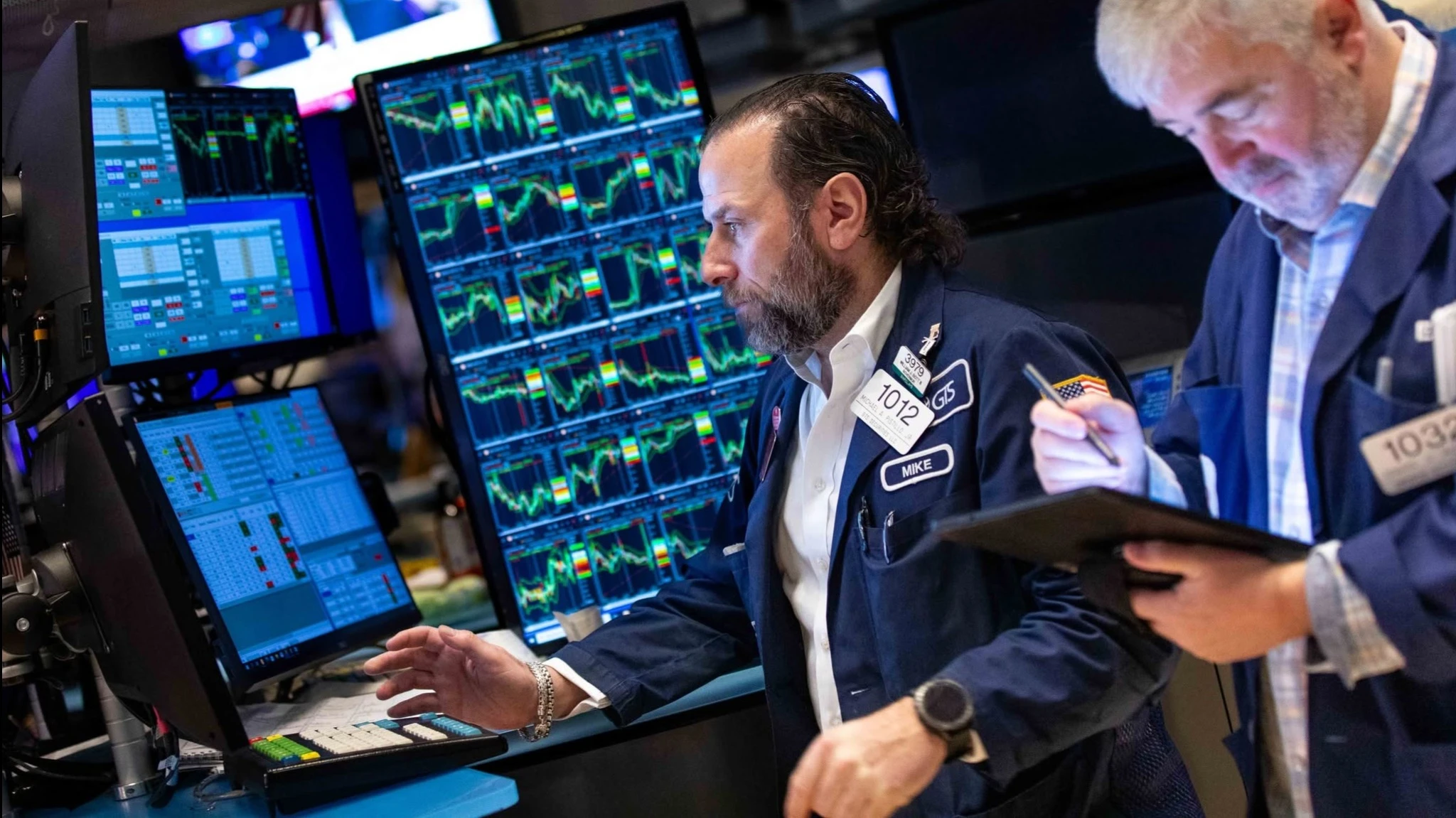
The Nasdaq Composite Index went into plus territory on Monday, March 2, after recovering from a sharp drop at the beginning of the session. It also recovered from the collapse of the S&P 500. Investors were buying back shares on the drawdown during the first day of trading after the US and Israel began strikes on Iran. The technology sector index was positively affected by the growth of Nvidia and Microsoft securities. Also, against the background of geopolitical risks, shares of oil and defense companies became more expensive.
Details
- The broad market index S&P 500 declined by 1.2% during trading, but then recovered the fall and ended trading in the plus by 0.04%.
- The Nasdaq Composite Technology Sector Index, which fell 1.6% early in the day, was up 0.36% by the close of the session.
- The blue-chip index Dow Jones Industrial Average was down nearly 1.2% at one point, but then cut its losses to 0.15%.
- The Russell 2000 index of small and mid-capitalization companies added the most, 0.9%.
- The CBOE Volatility Index (VIX), Wall Street's so-called fear gauge, rose to its highest levels since the beginning of the year during the day, showing an 8% increase for the day. It reached a level of 21.44 points. The psychologically important mark indicating high volatility is considered to be 20.
- The dollar against other currencies strengthened on Monday by almost 1%. It showed the strongest rise in almost five weeks, Bloomberg calculated: the aggravation in the Middle East provoked an influx of funds into protective assets.
- Gold futures, another safe haven, rose nearly 2% to $5350.
- Interest in protective investments also supported bitcoin quotes. Over the day, they jumped by 5.75%, reaching $69,350. During the day, the price rose above the $70,000 mark. Quotes of cryptocurrency companies Strategy and Coinbase added 6.3% and 5.3%, respectively.
- Brent crude oil rose by 6.8%, strengthening growth after Iran's Guardian Corps announced the blocking of the Strait of Hormuz, key to global trade. Brent contracts were trading at $77.8 a barrel, while North American WTI was trading at around $71. Prices were also affected by outages at a major refinery in Saudi Arabia, Bloomberg wrote. Oil companies Exxon Mobil and Chevron added more than 1%, shares of ConocoPhillips rose by 4.2%.
- Diesel futures in the US rose by 12%. It is more sensitive to the conflict than other oil products, as a number of refineries producing significant volumes of diesel are located near the Strait of Hormuz, the agency explains.
Two popular deals
Retail investors had two favorite trades during Monday's market turbulence, CNBC notes. In the first hour of trading, they funneled $22 million combined into the State Street Energy Select Sector SPDR ETF, an exchange-traded fund tracking energy companies, and into Palantir shares, according to VandaTrack data cited by the channel. Meanwhile, other popular securities didn't get the same support from small traders, the analyst firm said.
"The signal is clear: This was not a widespread panic. It was selective repositioning," Vanda analyst Ashwin Bhakre told CNBC. The tactic reflects retail investors' desire to take positions in anticipation of possible long-term global conflict, the channel said.
"Retail investors weren't cautious on energy - they acted decisively," the analyst said. - The scale of buying compared to Friday shows that oil quickly became the preferred geopolitical hedge at the open." The State Street Energy Select Sector SPDR ETF added 2% at the close of trading on March 2, hitting its highest in a year.
Palantir shares rose 5.8%, supporting growth across the entire defense sector. According to Bhakre, investors "quickly redefined this stock from being a growth stock in software to a way to bet on the defense sector".
This article was AI-translated and verified by a human editor