Wall Street traders have urged clients to buy more U.S. stocks. Why are they expecting a rally?
Ahead of the U.S. congressional elections, hedge funds pushed bets on a stock market decline to nearly a five-year high

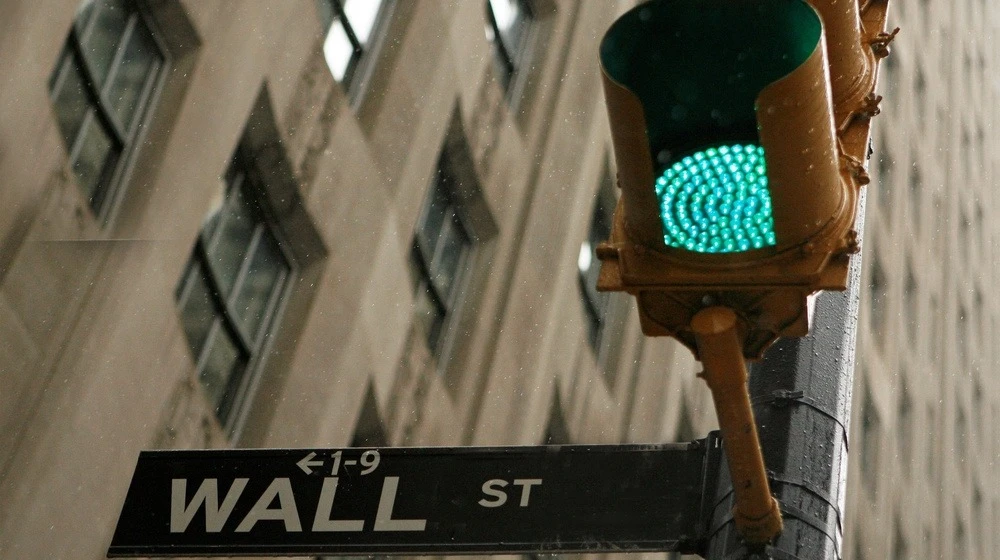
Investor caution ahead of the U.S. congressional elections and the October sell-off in the tech sector set the stage for a rally in U.S. stocks in November and December / Photo: mytaj/Shutterstock.com
Following the U.S. midterm elections, Wall Street’s largest trading divisions began advising clients to increase their investments in U.S. stocks, according to Bloomberg. According to their calculations, the caution shown by professional investors ahead of these elections has left Wall Street room for a rally through the end of the year.
It's too early to write off tech stocks
JPMorgan traders believe that October’s sell-off in AI stocks and hedge funds’ reduction of leveraged equity positions have created more favorable conditions for stocks. “We would not abandon our bet on tech stocks and would look to capitalize on a tactical rebound,” the bank’s team, led by Andrew Tyler, wrote to clients. The strategists advise combining technology and cyclical stocks—that is, those dependent on the state of the economy—but with a greater weighting toward cyclicals.
On November 4, following the Democrats’ victory in the congressional elections, the S&P 500 rose 1.6% thanks to gains in tech giant stocks. However, the very next day during the Asian trading session, investors reduced their exposure to the sector: by 2:00 p.m. Astana time, Nasdaq 100 futures had fallen 0.8%.
For some investors, the IPO of Anthropic—one of the largest players in the AI market—expected in November could signal a more decisive return to this sector. HSBC Chief Strategist Max Kettner believes that after the offering, investors will be able to fully bet on the growth of tech stocks and on a decline in “everything that rose sharply in October.”

The sell-off created room for growth
Ahead of the vote, hedge funds reduced their holdings of U.S. stocks and increased their bets on a decline to nearly a five-year high. Positions held by algorithmic trading funds in U.S. stocks have fallen to their lowest level since late March. As a result, Bloomberg predicts that these funds will have room to buy if the market recovers.
Scott Rubner of Citadel Securities also expects a rally: according to him, following the election, investors now have significant room to increase their exposure to risky assets once again. “We believe the path of least resistance for U.S. stocks through the end of the year is upward,” he wrote. Retail investors are already buying into the pullback: according to Citadel Securities, they have been net buyers of U.S. stocks for 22 consecutive trading sessions since October 5 and have invested nearly $33 billion.
How a Pause in the AI Race Could Help the Market
Market participants are betting that, with Congress and the White House controlled by different parties, some of the worst-case scenarios can be avoided, Reuters reports. Mark Hackett, chief market strategist at Nationwide, calls the political stalemate “a friend of the market.” According to him, Congress is unlikely to pass any legislation over the next two years that isn’t absolutely necessary.
The market also expects that the election results will force a slowdown in data center construction in the U.S., which will ease concerns about the “prisoner’s dilemma” — the spending race among the largest cloud companies, in which none dares to be the first to slow down, wrote Nomura strategist Charlie McAlligott.
Reuters attributes the stock movements on November 4 to expectations of such a slowdown: Amazon shares rose 6.1%, while shares of data center operators Applied Digital and Iren fell 6.7% and 11.2%, respectively. Investors expect that construction restrictions will strengthen the position of tech giants that already have capacity, but could derail the plans of smaller companies to expand by taking on debt, the agency noted.
This article was AI-translated and verified by a human editor