Kazakhstan is setting aside uranium for its nuclear power plants. How will this affect the global market?

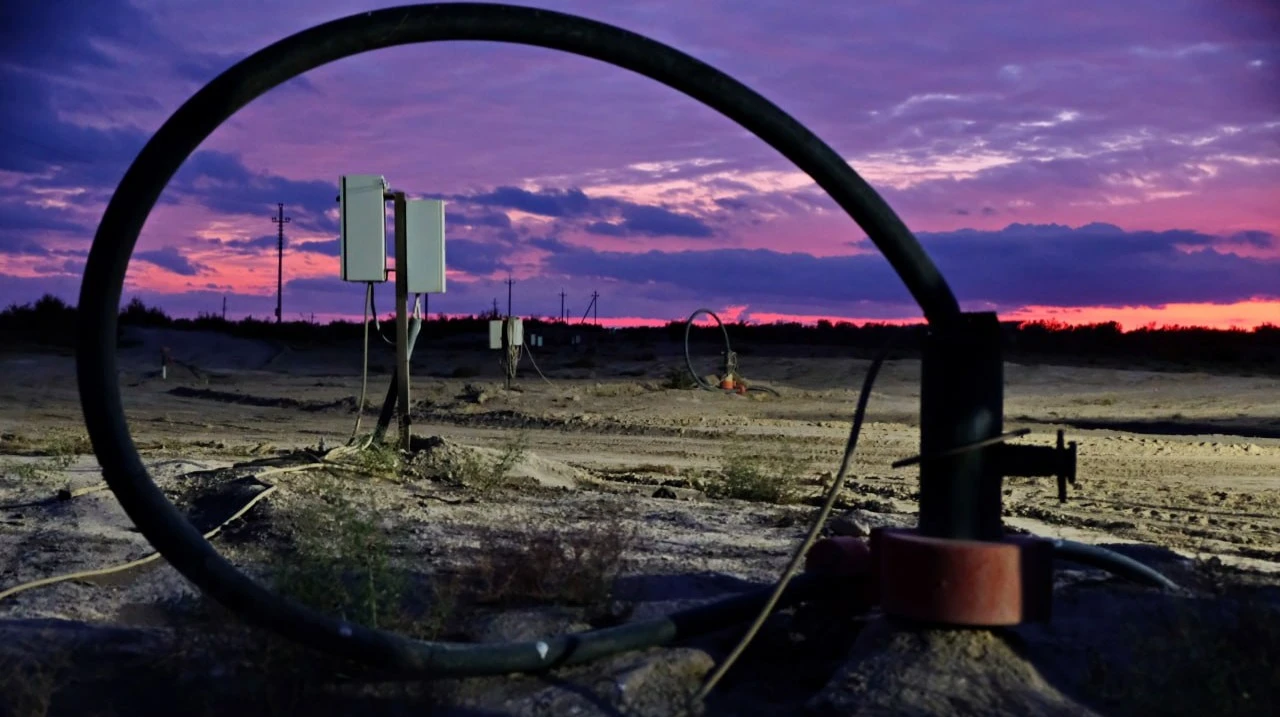
By 2050, at least three nuclear power plants are to be built in Kazakhstan / Photo: Vladimir Tretyakov / Shutterstock.com
President Kassym-Jomart Tokayev announced that Kazakhstan will establish a state strategic uranium reserve to meet the needs of its own nuclear power plants for the next 100 years. The Strategy for the Development of the Nuclear Industry sets out a phased accumulation target: at least 100,000 metric tons by 2040 and 150,000 metric tons by 2050 (with the possibility of expanding the reserve to 300,000 metric tons). How will this stockpiling affect the performance of Kazatomprom and the global uranium market, where Kazakhstan accounts for about 40% of the supply? Freedom Broker analyst Daniyar Orazbaev explores this in a column for Oninvest.
A Centuries-Old Need
Kazakhstan’s domestic nuclear power generation needs are relatively modest: the stated capacity of 8.4 GW by 2050 will require only 1,500–1,700 metric tons of uranium per year (5–6% of the country’s current production volume).
Over a 100-year period, the total uranium demand for nuclear reactors will amount to 150,000–170,000 metric tons. However, taking into account technological losses and the recovery factor for in-situ leaching (ISL), domestic power generation will require approximately 300,000–400,000 metric tons of proven reserves in the subsoil. This is equivalent to 30–40% of all of Kazakhstan’s proven resources, which are estimated at approximately 1 million metric tons.
Physically accumulating such a volume over 15–25 years would mean diverting between a quarter and a half of the country’s annual production from exports each year. Therefore, we expect that the bulk of the reserve will be formed underground, while the physical stockpile will be limited to a few years’ worth of nuclear power plant operations.
Long-term contracts or the market
As of the end of October, the spot price for uranium was about $91 per pound, and the long-term price was $98. At these prices, 100,000 metric tons would cost $24–25 billion, 150,000 metric tons would cost $36–38 billion, and 300,000 metric tons would cost $71–76 billion. However, purchasing on the spot market is unrealistic: in 2025, approximately 21,300 metric tons were sold on the spot market, meaning that the announced 150,000 metric tons represent nearly seven years’ worth of global spot market volume. Nor should one count on a discount in long-term contracts: the long-term price trades above the spot price. A combination of the two mechanisms is most likely.
First: reserving underground deposits, which currently involves almost no cost. Second: gradually building up physical reserves from domestic production based on a market-based formula or the “cost-plus” principle. A fuel reserve of several thousand metric tons will cost the government a reasonable amount, spread out over time. There is also the possibility of some discounts from Kazatomprom for domestic power generation. Similar mechanisms can be seen, for example, in oil refining.
The strongest driver for the market?
From our perspective, the direct impact on global demand will be minimal: consumption by Kazakhstan’s nuclear power plants after 2035 will account for about 1% of global demand. The main impact will be felt on the supply side, given Kazatomprom’s status as the world’s largest producer. Setting aside reserves means less Kazakhstani uranium will be available for export in 2030–2040. This primarily supports long-term prices. That said, it would be an exaggeration to call the creation of the reserve the strongest driver: the parameters will be determined by the end of 2027, and the effect will be spread out over decades. This year, prices were driven more by new nuclear power plant construction programs, the extension of operating lifetimes for existing reactors, and contracting by power companies.
This article was AI-translated and verified by a human editor