What do analysts think about Trump's announced Russia-Ukraine energy ceasefire?

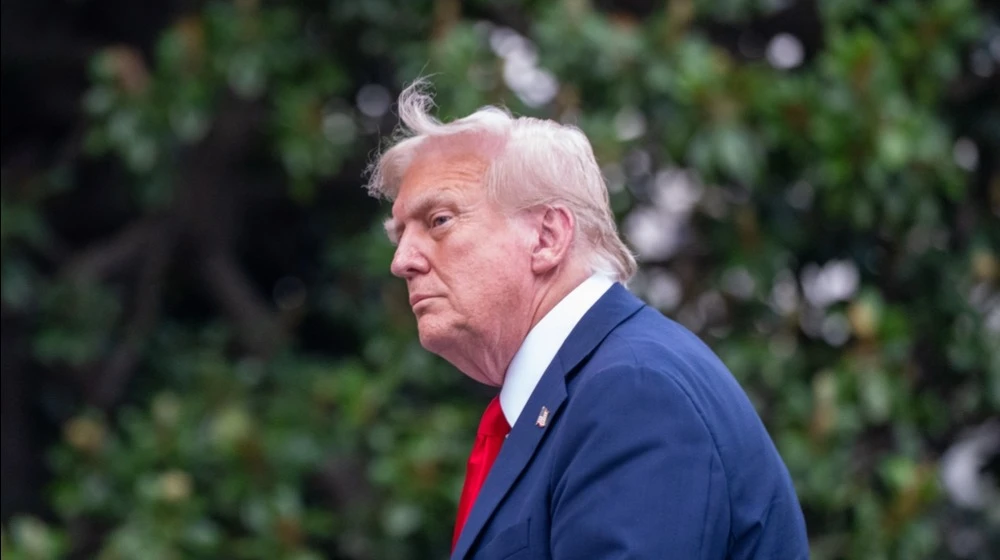
Russia previously accounted for around 10% of global seaborne diesel supplies / Photo: Andrew Leyden / Shutterstock.com
U.S. President Donald Trump’s announcement that Russia and Ukraine had agreed to an energy ceasefire has faced skepticism from prominent market strategists, Seeking Alpha notes. For example, frmer JPMorgan chief strategist Marko Kolanovic called the announcement “another con.” Meanwhile, Fundstrat Global Advisors founder Tom Lee was more constructive, arguing that a potential energy ceasefire, if implemented, represents an opportunity to ease inflationary pressures.
What Trump said
Trump announced on Sunday that Russia and Ukraine had agreed to halt strikes on energy infrastructure. “Effective immediately, there is an ENERGY CEASEFIRE in the War between Russia and Ukraine. Both parties have agreed. Do not break it!” the U.S. president wrote on his page on Truth Social. He provided no further details.
Russia has yet to confirm Trump’s announcement. Ukrainian President Volodymyr Zelensky told Axios that it “was news for me.” “But if Russians agree to an energy ceasefire, Ukraine will agree,” he added.
Trump previously announced an “energy ceasefire” between Russia and Ukraine on September 14. Nevertheless, strikes by both sides continued. Citing sources, the Financial Times reported that Trump appeared to have been premature in announcing the deal.
What Wall Street is saying
Former JPMorgan chief strategist Marko Kolanovic questioned Trump’s claim that both countries had agreed to stop attacking energy infrastructure. “This weekend everyone saw burning tankers, oilfields, airports. This energy ceasefire seem to be another con,” Kolanovic wrote on X.
Meanwhile, Fundstrat Global Advisors founder and head of research Tom Lee saw a potential energy ceasefire as an opportunity to ease inflationary pressures. “Positive if true,” he wrote on X. “Higher oil prices has been a global source of inflation pressures and consumer misery.”
Implications for global markets
Ukrainian attacks on Russian refineries and other energy facilities prompted Moscow to impose a temporary ban on exports of most diesel, jet fuel, and gasoline in July. Before that, Russia accounted for around 10% of global seaborne diesel supplies. Removing those volumes from the market compounded the effects of disruptions to shipping through the Strait of Hormuz, Bloomberg reports.
On Friday, Trump said he had reached an agreement with Russia to supply diesel to the U.S. and global markets. The U.S. last imported diesel from Russia in March 2022, according to data from the U.S. Energy Information Administration.
The decision, which requires lifting sanctions on transactions involving Russian diesel, drew bipartisan criticism in the U.S., the Wall Street Journal notes. On Sunday afternoon, a group of Democratic and Republican senators issued a joint statement calling the planned shipments a violation of a 2022 law banning Russian energy imports to the U.S.