Apple has cut orders for parts for the new iPhones, according to media reports. Was demand lower than expected?

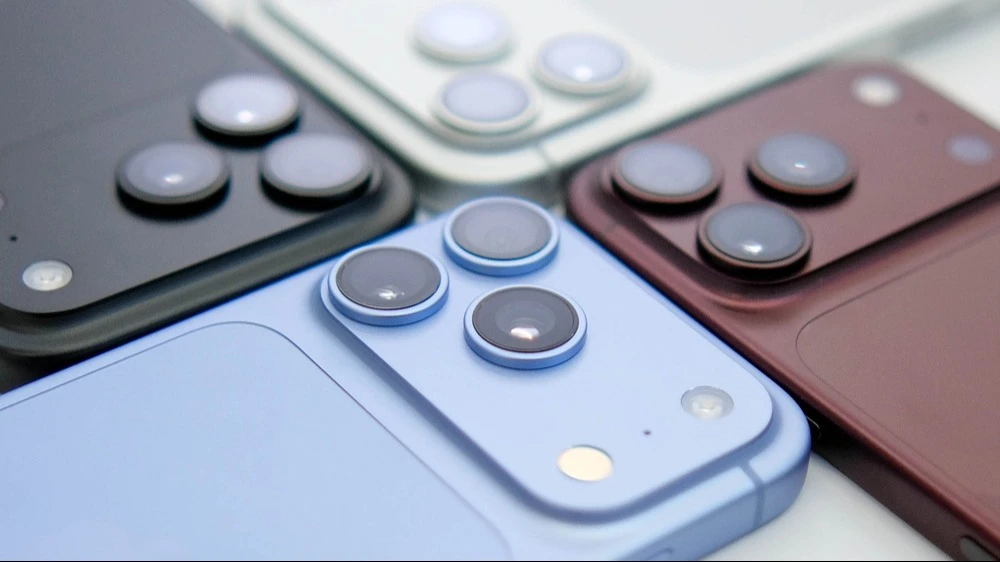
Demand for Apple's iPhone 18 Pro appears to have been lower than expected—this is forcing the company to ask its suppliers to cut back on production of components for these smartphones, according to Nikkei Asia / Photo: Shutterstock.com / Framesira
Apple has asked some suppliers to cut back on production of components for the recently released iPhone 18 Pro and iPhone 18 Pro Max, as demand for them is declining due to price increases, Nikkei Asia reported, citing sources. UBS analysts also note a shortening of wait times for the new smartphones, which may also indicate lower demand than investors had anticipated, according to Barron's.
Apple shares fell 1% during trading on October 9.
Details
Following the unveiling of the iPhone 18 Pro, iPhone 18 Pro Max, and the company’s first foldable smartphone, the iPhone Duo, a month ago, Apple’s stock rose by about 7%. However, according to a report by Nikkei Asia, demand for some of Apple’s new phone models may have been weaker than expected. Apple has asked some suppliers to cut back on production of components for the iPhone 18 Pro and Pro Max, sources told the publication. Suppliers attributed this decision to rising smartphone prices amid a sharp increase in the cost of memory chips.
The maker of the iPhone has taken a more conservative approach to supply issues since early September, according to Nikkei Asia—orders for smartphone components this month have been cut by at least 15% compared with the initial request, two sources told the publication.
Another source told Nikkei that demand for Apple products from late August through October was lower than in previous years; however, the source acknowledged that the decline in demand could be linked to Apple’s change in the iPhone launch schedule. This year, Apple prioritized updating its three premium (Pro) models, while saving the standard iPhone 18 and the new generation of iPhone Air for a spring release.
What else is known about demand for the new iPhones?
According to UBS data on iPhone availability, the wait time for the iPhone 18 Pro—that is, the time a buyer waits to receive the product—has decreased by about six days compared to the previous week, the bank’s analyst David Vogt said in a note on October 9, Barron’s reports. Investors monitor this metric as an indirect indicator of demand: if the lead time shortens, it may signal that demand is weaker than expected, meaning quarterly sales could fall short of forecasts.
“The shortening of wait times amid stable supply is causing us growing concern, especially given the recent price increase, which means the risk of a decline in demand in response to higher prices is greater than during previous launches,” noted a UBS analyst. He assigned a neutral rating to Apple shares with a price target of $296 (12% below the last closing price).
What's next?
At the same time, the company still has the opportunity to boost sales with the iPhone Duo—Apple’s first foldable smartphone. Sales will begin on October 23, and pre-orders will open on October 16. The device’s starting price will be $1,999, making it the most expensive iPhone in the company’s history. Some analysts suggest that demand for the Pro version of the smartphone may be weaker because some buyers prefer to wait for the release of the foldable model, according to Barron’s.
However, a less favorable scenario is also possible: consumers may delay upgrading their smartphones while waiting for more affordable entry-level iPhone 18 models, which are expected to be released in the spring, notes Barron’s. In the worst-case scenario, due to inflation and rising iPhone prices, consumers may decide not to upgrade their phones at all, writes Barron’s. If this scenario plays out, it will pose a problem for the company, as the iPhone accounts for the majority of its revenue, the publication notes.
What about the stocks?
At the close of trading on October 9, Apple shares fell 1.1% to $336.64. Since the beginning of 2026, they have risen 24%.
The average target price for the company’s stock is $335.75—0.3% below the latest closing price. According to MarketWatch, 27 analysts recommend buying Apple stock, 13 have a neutral rating, and five advise selling. Three months ago, the iPhone maker’s stock had 33 buy recommendations, 13 neutral ratings, and five sell recommendations.
This article was AI-translated and verified by a human editor