What investors need to know about Trump's new tariff push

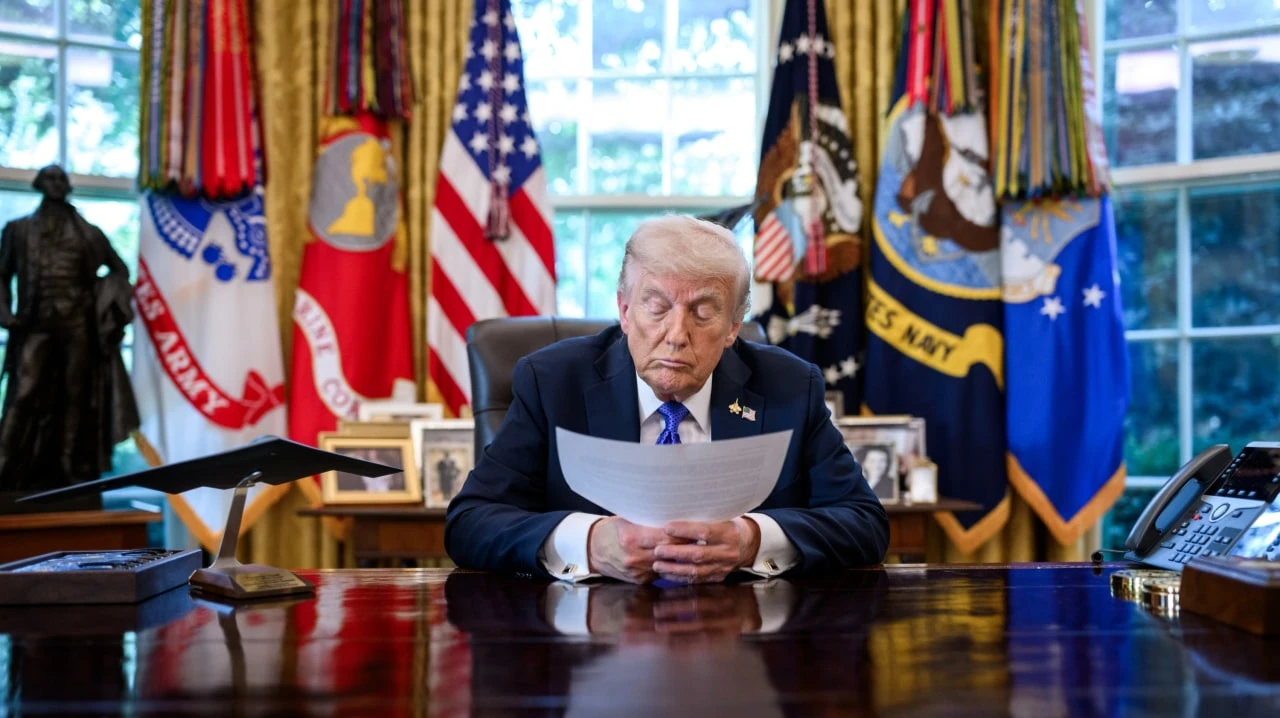
The White House has announced plans for new tariffs on goods from China, the EU, and 12 other economies / Photo: Rawpixel.com / Shutterstock.com
Washington has announced plans on Wednesday to impose new tariffs on goods from China, the European Union, and 12 other economies. With the proposal, U.S. President Trump is seeking to restore his sweeping trade restrictions that the Supreme Court struck down last year, Bloomberg reports. Stocks pared losses by the close after a selloff in AI shares had already rattled the market. Traders have grown accustomed to a degree of uncertainty over tariffs, Reuters notes. Here is what investors need to know about the proposed measures.
Breaking down the new tariffs
Under the proposal released by the Office of the U.S. Trade Representative, the new tariff rate on Chinese goods would rise to 20%, in line with Beijing’s earlier agreement with the Trump administration. The rate could double to 40% if talks between the two countries break down, a senior U.S. official told reporters before the formal announcement.
The proposed rate on EU goods is 15%, in line with the 2025 agreement between Washington and Brussels, though it could rise to 20%. Japan, South Korea, and Switzerland, all major U.S. trading partners, could face a similar 15% tariff. The rate could rise to 25% for South Korea and 20% for Japan and Switzerland, the trade representative’s office stated. If India and the U.S. reach a trade agreement, the proposed rate on Indian goods would be 17% versus up to 25% without a deal.
The proposal follows an investigation under Section 301 of the Trade Act of 1974 into alleged excess manufacturing capacity among U.S. trading partners that Washington says harms U.S. companies. Tariffs imposed under that process are considered harder to challenge in court than Trump’s earlier tariffs, Bloomberg reports.
The proposal is subject to public comment and could change as a result, Bloomberg notes. An unnamed official said a final decision could come as early as January.
A new trade war?
U.S. Trade Representative Jamieson Greer said the proposed tariffs are designed to preserve existing trade deals. “We’ve talked to our trading partners about this. They know what we’re proposing. I think a lot of this is baked in,” he said on CNBC on Wednesday.
China and the EU could retaliate, though their initial responses were muted, Bloomberg notes. So far, most trading partners have held off on retaliation and sought to negotiate the lowest possible rates with Washington. The next test could come in December, when Trump meets with Chinese President Xi Jinping on the sidelines of the G20 summit. The two countries’ trade truce expires in January unless they agree to extend it.
What analysts are saying
The timing for a renewed push on tariffs could hardly be worse, Barron’s warns. Tariffs are back on the agenda just as a tech selloff and the near certainty of a December Fed rate hike have already rattled investors, Barron’s reports.
“The last thing Wall Street wants to hear right now is anything about a trade war in the midst of all the AI uncertainty,” Charles Lemonides, principal and portfolio manager at ValueWorks, said earlier this week. “Any reports perceived as a potential negative for the economy or corporate earnings will spook investors.”
“We still have not dealt with the fresh shock of Nvidia and tech and now we have tariffs,” Aneeka Gupta, equity strategist at WisdomTree, told Reuters. “Up until today it felt like we might get a Santa Claus rally... but the AI trade is faltering and that remains the central pillar for stocks.”
Fed economists estimate that Trump’s tariffs added just under a percentage point to the year-over-year increase in the personal consumption expenditures price index, Barron’s reports. Data released Wednesday showed PCE inflation had accelerated to 3.8% year over year in October from 3.7% in September. The new tariffs could give the Fed another reason to tighten policy to fight inflation, Barron’s notes. According to CME FedWatch data, traders are pricing in a 98% chance of a rate hike at the Fed’s December meeting. “I don’t think that it is going to be make or break for the Fed’s rate decision, but it is certainly another factor that they will have to be considering come next year,” argues Owen Tedford, senior research analyst at Beacon Policy Advisors.
Higher interest rates make the AI boom more expensive to finance. That puts particular pressure on companies such as CoreWeave and Oracle, which rely heavily on borrowing to build AI infrastructure, Barron’s points out.

Trump has withdrawn tariffs and cut tariff rates before. This time, he may stick with the proposed rates, however, according to Beacon's Tedford. “I wouldn’t assume that they are going to be walking back much,” he said. “This has been something that has been a priority for the Trump administration to get back in place for some number of months.” He advises investors to “just kind of run with these numbers as likely to be the final numbers.”