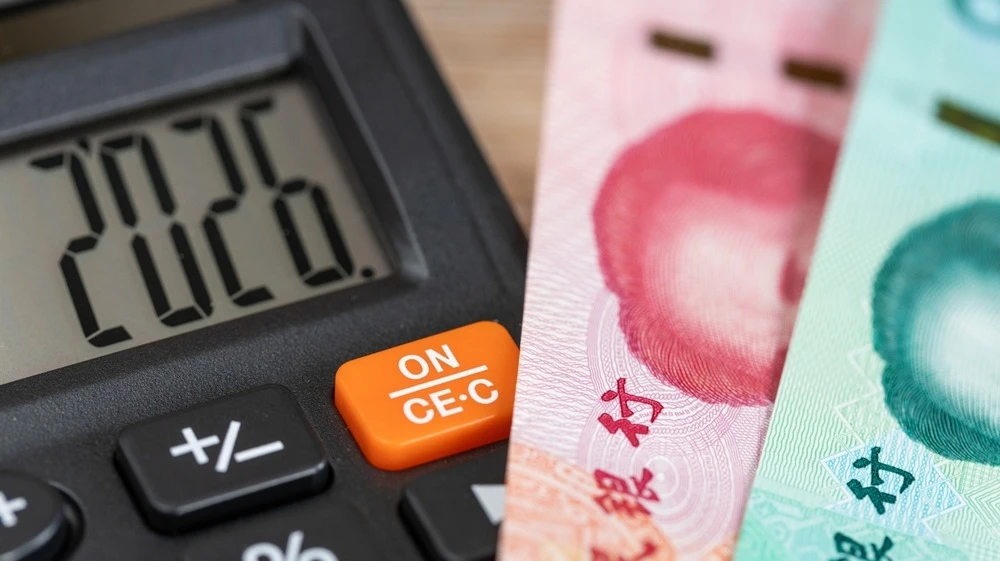
Gold has rebounded from its lowest level in a year. What will happen to the price of the precious metal next?
If gold falls to $3,450–3,500 per ounce, the risk of a further correction will increase, according to Vantage Global Prime analyst Hibi Chen

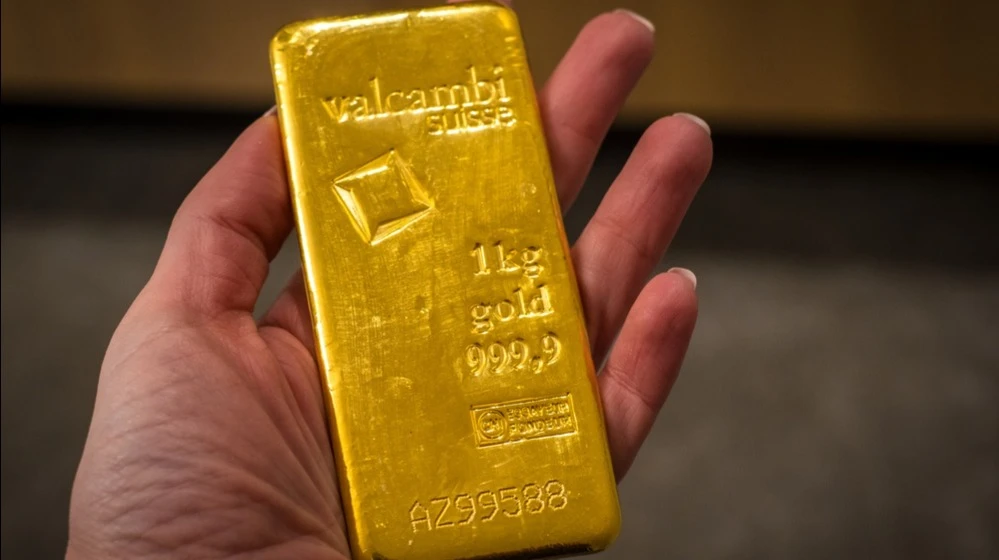
Gold rebounded from its low as the U.S. stock sell-off paused over the holiday / Photo: Cloudy Design/Shutterstock.com
Gold rose by about 2.7% on November 27 during trading amid a cautious rebound in tech stocks. Just two days earlier, during trading on November 25, the precious metal fell to its lowest level since September 2025 following data showing accelerating inflation in the U.S. However, the rebound did not push the price above the psychologically significant level of $4,000 per troy ounce: gold has been trading below this mark since November 11, as traders try to figure out how the Fed will combat persistent inflation, according to Bloomberg.
A Festive Break
U.S. stock markets were closed on November 26 for Thanksgiving. During the holiday lull, gold sales declined, Reuters notes. On November 27 at 9:00 a.m. CET, spot gold was trading at nearly $3,663 per ounce—up 2.7% from the close on November 26. Since the start of the week, the metal has risen in price by more than 3%.
“Holidays in the U.S. may limit selling pressure on gold while the sell-off in tech stocks and asset liquidation are on hold,” said Ross Maxwell, chief strategist at VT Markets (as quoted by Reuters). The timing of a recovery in gold prices “will largely depend on the dynamics of real (inflation-adjusted— Oninvest) interest rates, the dollar exchange rate, and investment flows,” the expert added.
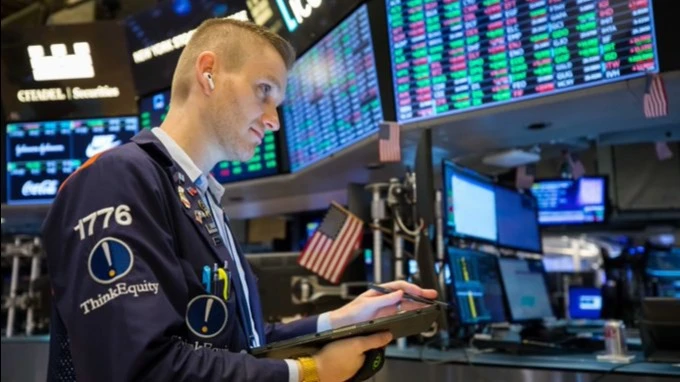
What's next?
Market participants expect the Fed to raise rates in December and again in early 2027, according to Reuters. These expectations were reinforced by data released on November 25: the U.S. economy grew much faster than initially expected in the third quarter, and inflation accelerated in October. Rate hikes typically have a negative impact on the price of gold: the precious metal does not pay interest, so the higher the rates, the greater the opportunity cost of investing in it.
Hibi Chen, a senior analyst at Vantage Global Prime, identifies the $3,450–3,500 per ounce range as a critical level: it was from this point in August 2025 that prices began their historic rise to record highs. “Holding above this zone could lay the groundwork for stabilization, while a decisive break below it would increase the risk of a deeper correction,” she noted (as quoted by Bloomberg).
This article was AI-translated and verified by a human editor