"While the whole world recognizes our victory": Iran's president called for an end to the war with the U.S.
In Iran, the president oversees economic matters but is not responsible for military strategy

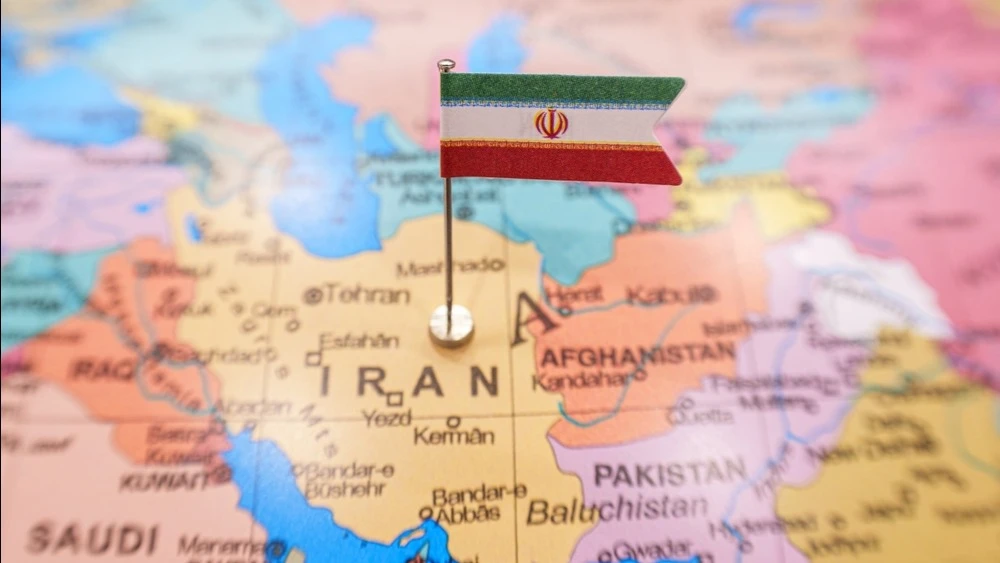
Photo: Rokas Tenys / Shutterstock
Iran would be better off ending the war with the U.S. while the country is “in a position of strength and dignity,” said President Masoud Pezeshkian. Bloomberg quotes his remarks, citing the semi-official Iranian Students’ News Agency (ISNA). The Financial Times (FT) also quotes him, noting that this was a public statement.
What the Iranian President Said
“It would be better to end the war today, while we are in a position of strength and dignity, and while the whole world recognizes our victory,” Pezeshkian said. In Iran, as Bloomberg and the FT note, he is responsible for the domestic economy and does not make decisions regarding military strategy.
The president of the Islamic Republic also spoke favorably of the interim memorandum of understanding signed by the parties in June, which expired earlier this week. Pezeshkian called the document, which laid the groundwork for further dialogue between the U.S. and Iran, “commendable.” Iran did not make any “concessions,” while the U.S. assumed “all obligations,” the Iranian politician added.
The FT notes that the speaker of the Iranian parliament—Iran’s chief negotiator in talks with the U.S.—had previously warned of the growing war-related economic hardships that are forcing Iranians to cope with a rising cost of living — Mohammad-Baqer Ghalibaf. Speaking in Iraq on August 21, Ghalibaf stated that Tehran should not confuse military and economic stability: “No matter how strong we may be militarily, if people are starving and we lack financial turnover, economic growth, and domestic production, we will not survive,” he warned. — “We must plan to overcome these repressive [U.S.] sanctions.”
Context
Pezeshkian and Bagher Galibaf’s comments came amid threats by U.S. President Donald Trump of “enormous economic consequences” for countries that trade with Tehran. The new U.S. strategy of pressure on Iran appears to involve an “economic war,” as well as the weakening of the Ayatollahs’ regime through a blockade of Iranian ports and ships by the U.S. military, the FT reports.
U.S. Treasury Secretary Scott Bessent said he would announce measures against Iran on Monday. Washington aims to “destroy” the Islamic Republic with the “toughest sanctions in history,” he emphasized. The Iranian Foreign Ministry, for its part, stated that the U.S. sanctions constitute “economic terrorism.”
The memorandum of understanding between the parties, which expired this week, stipulated that the United States would not impose sanctions on Iran until a long-term peace agreement was reached between the parties.
Amid new economic threats from Trump, Brent crude oil prices once again exceeded $90 per barrel this week, briefly rising to their highest levels in the past two months. During trading on August 21, they approached $95 per barrel, but following Pezeshkian’s statements, they retreated slightly from their intraday highs: Brent is trading around $94 per barrel, while U.S. WTI is trading at around $87.
This article was AI-translated and verified by a human editor