Trump declared "economic war" on Iran. And he threatened its allies with consequences.

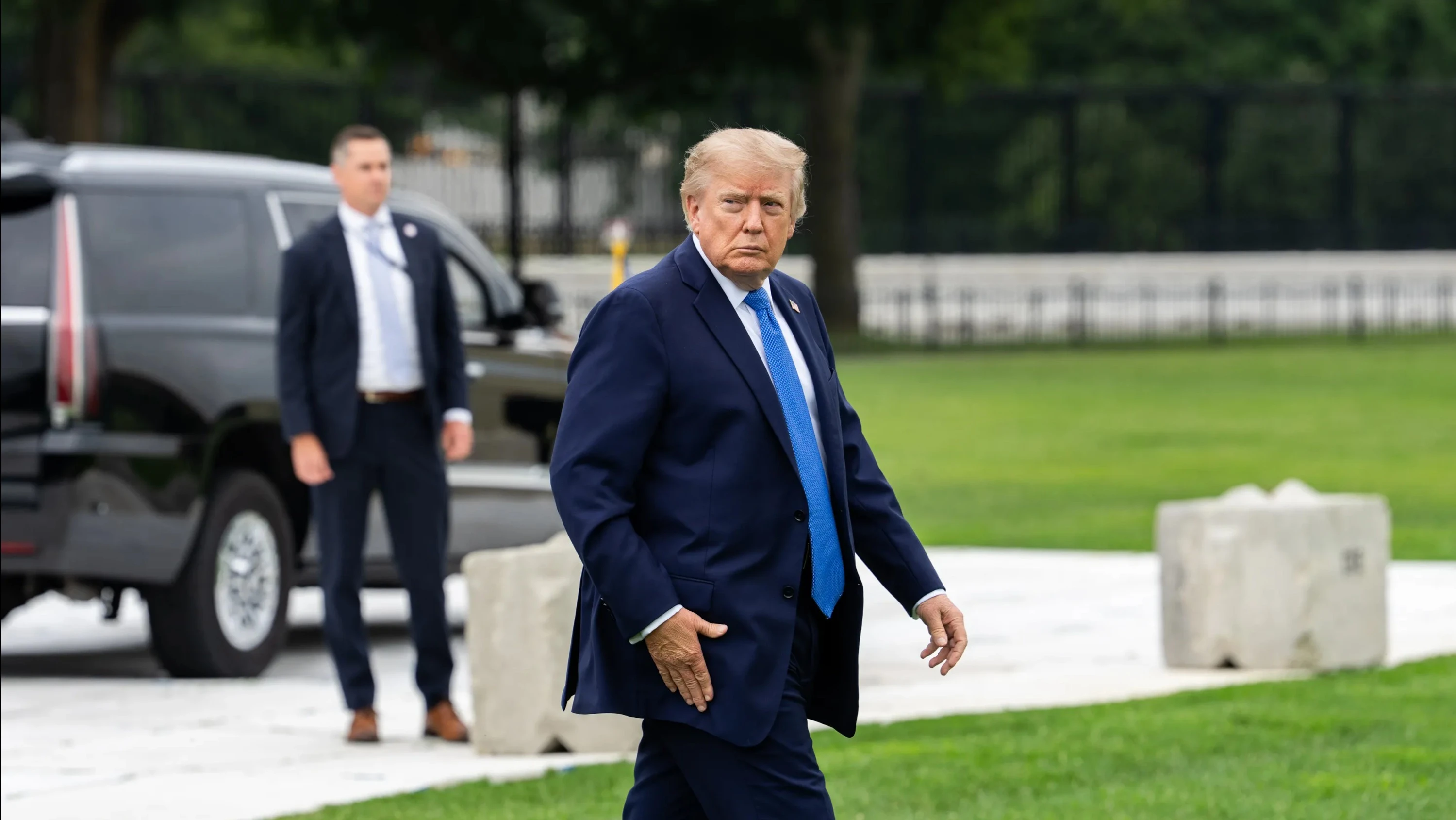
Photo: The White House
U.S. President Donald Trump stated that the United States would launch “the most devastating economic operation ever carried out against any country” against Iran. “It will be an economic war and isolation on an unprecedented scale,” the American leader announced on Truth Social.
Details
Trump also threatened “ANY country that allows its financial institutions, businesses, airports, or government agencies to provide any support to Iran” with “enormous economic consequences.” “Oil smuggling, [currency] swap lines (agreements between banks to exchange currencies. — Oninvest note), money transfers, non-bank financial exchange networks (exchange houses), ship registries, and [the] shell companies [covering them]—all of this must stop IMMEDIATELY,” — the U.S. president declared, noting that Washington needs the support of “all its allies to jointly isolate and defeat the Iranian threat.”
"Iran will never have nuclear weapons," Trump added, noting that, according to his information, Iran’s navy, air force, and military factories have been destroyed, “the currency has collapsed,” and “the country is hanging by a thread.”
The U.S. leader did not specify exactly what measures Washington intends to take against Tehran. Iran is already subject to sweeping U.S. sanctions, and the U.S. military is attempting to impose a naval blockade on Iranian ports and ships, Bloomberg notes.
Context
Trump's remarks came amid stalled negotiations between the U.S. and Iran on peace and shipping in the Strait of Hormuz. They are a continuation of a campaign that the U.S. administration has been waging since April, known as “Operation Economic Fury,” CNBC reports. The measures are intended to exert pressure and cut off what the White House calls “global terrorist financing and sources of revenue for the Iranian regime,” the network notes.
Earlier in July, Iranian Foreign Minister Abbas Araghchi accused Washington of failing to comply with the memorandum of understanding —a document that, according to media reports, among other things, stipulated that the U.S. would not impose new sanctions against Iran until a final peace agreement was reached. The memorandum expired on Monday, August 17. The parties have not announced any resumption of dialogue regarding the extension of the deal or the conclusion of a longer-term peace agreement. “The U.S. is not conducting any negotiations with Iran and has no plans to do so,” Trump announced on August 18.
What's going on with oil?
Against this backdrop, oil prices jumped back above $90 per barrel this week—and continued to rise. At the opening of trading on August 20, October Brent futures rose 0.2% to $91.8. U.S. WTI contracts were trading around $86.
This article was AI-translated and verified by a human editor