A 10% Plunge or a New Rally: BofA Outlines Scenarios for Stocks After the U.S. Election

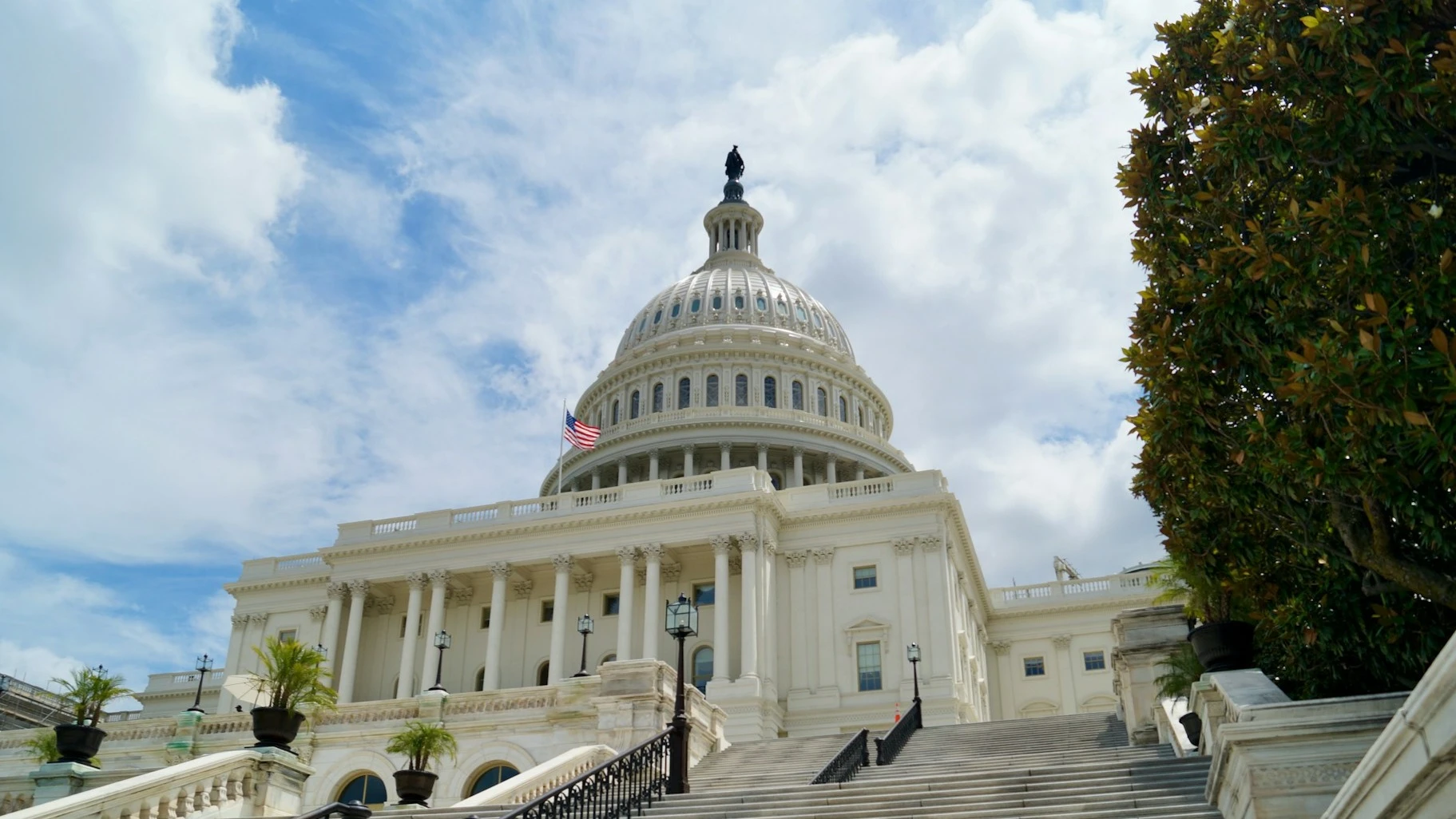
A Republican victory in the upcoming congressional elections will boost the stock prices of U.S. companies / Photo: Unsplash.com / Samuel Schroth
A Republican victory in the U.S. congressional midterm elections and the re-election of the Texas governor will set the stage for further growth in the U.S. market, particularly for stocks of AI-related companies, according to a Bank of America strategist. If the Democrats win, however, the market could fall by more than 10%.
Details
If Donald Trump’s party retains control of the Senate—the upper chamber of Congress—after the November 3 midterm elections, and Republican Greg Abbott remains governor of Texas, stocks—especially those in the AI sector—could surge sharply and enter a “bubble” 2027, according to Bank of America strategist Michael Hartnett, whose opinion is cited by Bloomberg.
In the opposite scenario—if the Democrats gain control of the Senate and oust Abbott—the stock market could face a decline of more than 10%. At the same time, the dollar and Treasury yields would fall.
A BofA strategist believes that the Texas gubernatorial election can be viewed as a kind of referendum on the issue of electricity availability and the large-scale construction of AI data centers. There are already 335 data centers operating in the state, with another 247 projects in the planning stages. Abbott’s decision to announce a temporary pause in the expansion of data centers, according to Hartnett, reflects voters’ growing concerns about high electricity costs and the strain on the power grid.
At the same time, fundamental factors remain favorable for the market. According to Bloomberg Intelligence, earnings growth for S&P 500 companies is now estimated at approximately 32%, compared with the 23% expected before the earnings season began. About 93% of technology companies have exceeded analysts’ forecasts.
Expected spending on AI infrastructure exceeding $1 trillion in 2027 and a $10 trillion increase in investor wealth by 2026 are factors capable of supporting a further increase in demand for risky assets, Hartnett concludes.
This article was AI-translated and verified by a human editor