A downgraded outlook sent BMW shares plummeting to a 5-year low, dragging down its competitors
Such a sharp correction came as a surprise to the market

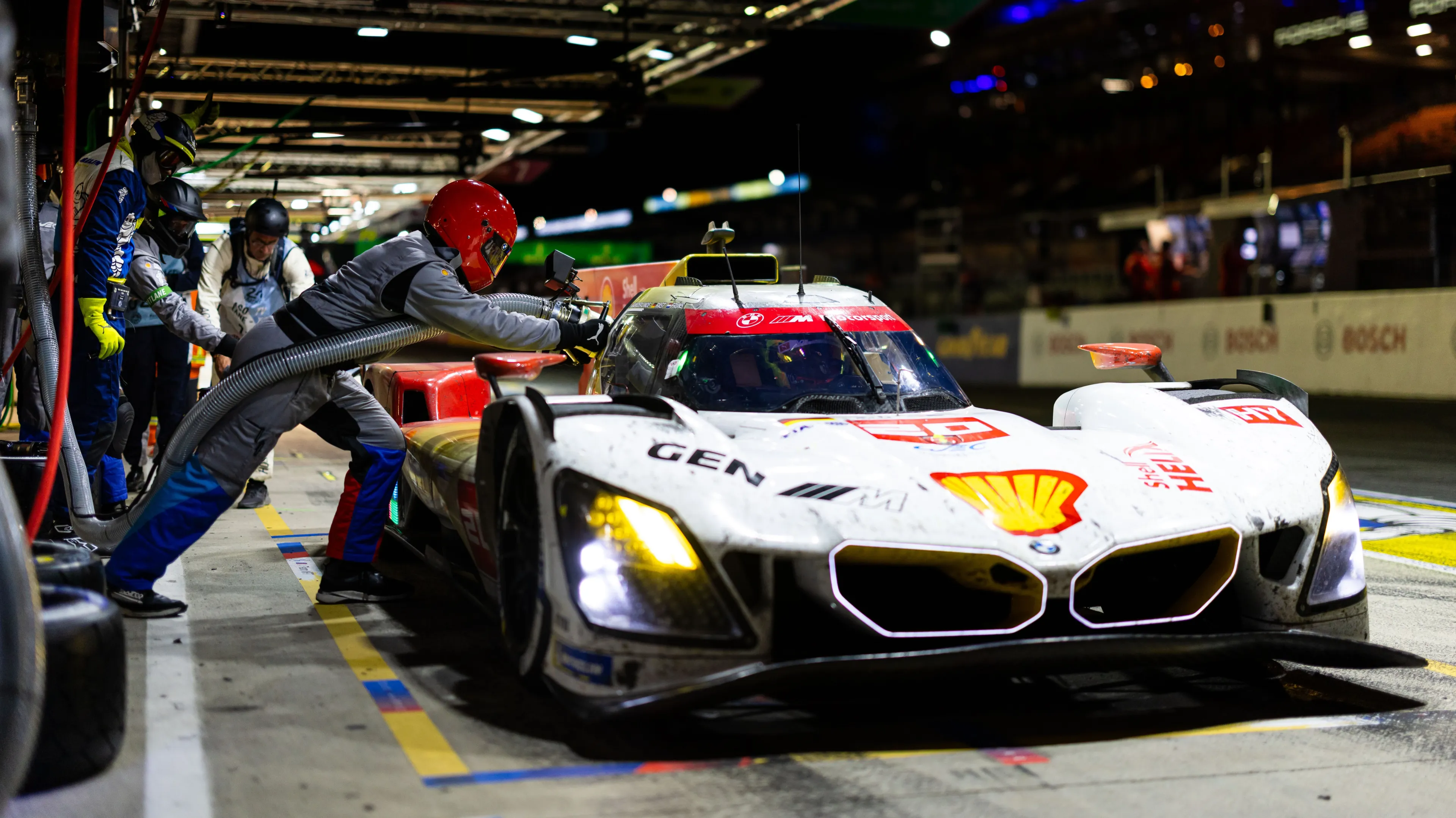
The downturn in the Chinese market and rising energy costs have led BMW to lower its forecast for 2026 / Photo: press.bmwgroup.com
Shares of German automaker BMW plummeted on Wednesday, June 17, to their lowest level in more than five years after the company sharply downgraded its financial outlook for 2026. The company attributed this to a downturn in the Chinese market and increased costs due to the war in the Middle East. BMW shares fell more than 8%, followed by declines in Volkswagen, Mercedes-Benz, and Stellantis.
Details
BMW shares plummeted 8.3% at the close of trading on June 17, making them the worst-performing stock among major European companies, according to MarketWatch. They also dragged down other market players. Mercedes shares fell 4%, while Volkswagen lost 3.5% of its value. Stellantis shares declined 2.5% during trading in New York.
The automotive sector has come under pressure due to the downward revision of the Bavarian brand’s key financial targets for 2026. BMW now expects a slight decline in vehicle deliveries, whereas it had previously anticipated maintaining them at last year’s level. The forecast for the automotive business’s EBIT margin has been lowered from 4–6% to 1–3%, and return on capital employed (ROCE) will be 1–5%, rather than the 6–10% the company had previously anticipated. In addition, BMW is now preparing for a significant decline in pre-tax profit for the full year instead of a moderate decline.
The automaker attributed the revision of its forecasts to the deteriorating situation in the Chinese passenger car market during the second quarter. At the same time, sales growth in Europe and the U.S. is insufficient to offset the decline in China and across the Asia-Pacific region. The company noted that energy prices, which have risen due to the conflict between the U.S. and Iran, are putting additional pressure on financial performance by increasing costs and dampening consumer sentiment in global markets.
What Analysts Are Saying
The revision of the forecast came as a shock to the market and marked a “rare miss” by BMW, as the company is considered one of the most stable European automakers, notes Barron’s. This reminded Oxcap analyst Stuart Pearson of the 2008–2009 crisis—the last time BMW’s margin was as low as the company is forecasting. Nevertheless, he believes that BMW remains the most resilient player in the industry.
The downturn in the Chinese auto market has accelerated more sharply than expected, and sales in Europe and the U.S. are not growing fast enough to "offset" this decline, explains Bernstein analyst Stephen Wrightman.
A conference call with BMW executives left analysts with “more questions than answers,” according to CNBC. They were concerned by the lack of a detailed explanation of the company’s cost structure and operating model, Deutsche Bank wrote. It warned that until the company comes up with a new plan, its stock will remain under pressure.
Citi analysts believe the brand’s annual sales in China may not even reach 500,000 vehicles, according to CNBC. Following a profit warning, the bank lowered its forecast for the company’s sales in the Chinese market by more than 50,000 vehicles and warned that pressure on profits, negative industry trends, European regulations, and the lack of clear growth drivers could keep BMW shares undervalued for a long time.
This article was AI-translated and verified by a human editor