U.S. stocks posted their best weekly gain since mid-April. The S&P 500 hit a new record high.


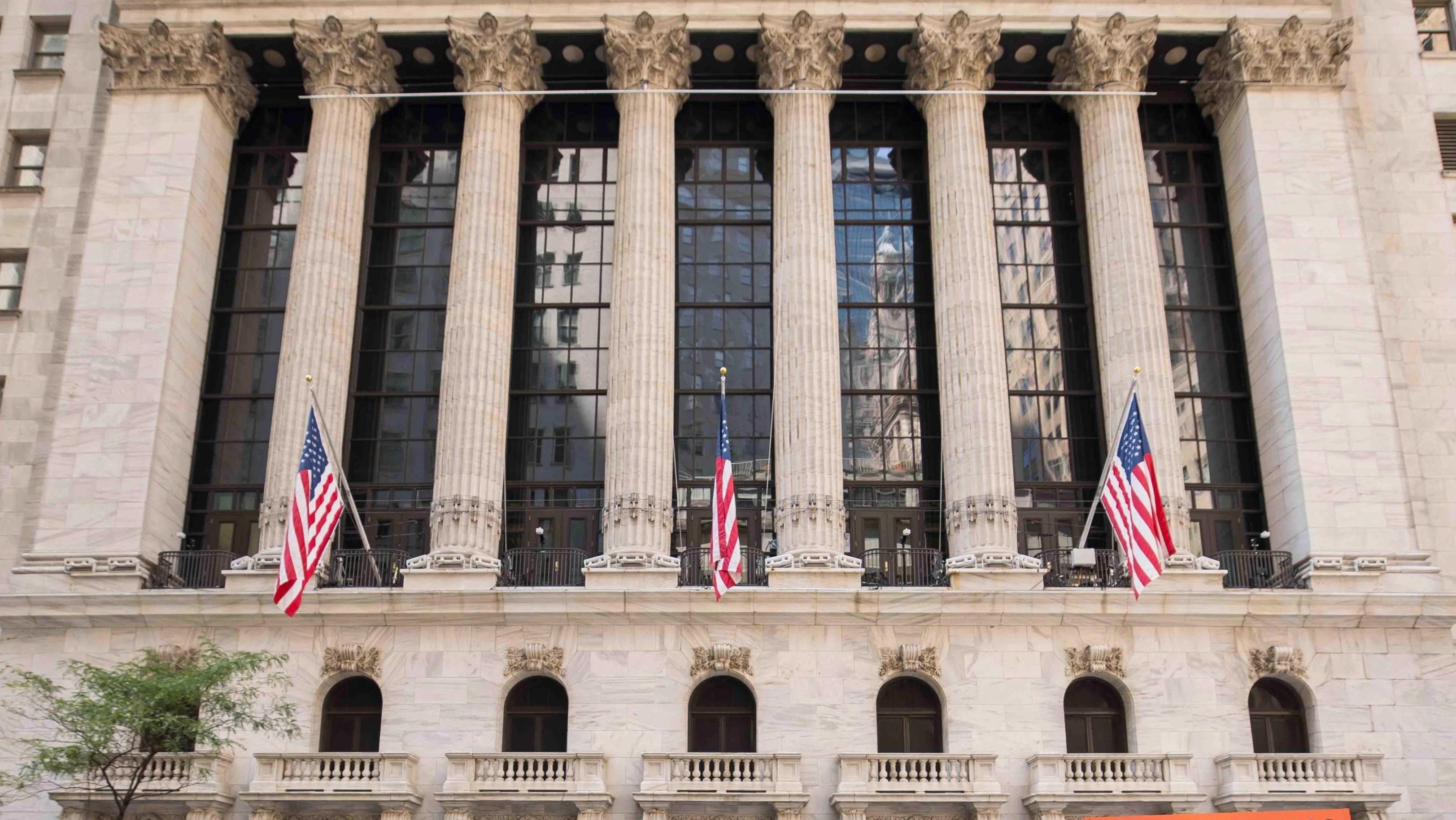
The U.S. market rose during trading on August 7 / Photo: X/NYSE
The S&P 500 broad-market index, the tech-heavy Nasdaq Composite, and the blue-chip Dow Jones Industrial Average posted their best weekly gains in four months. The S&P 500 gained 3.6% over five trading days, while the Nasdaq rose more than 5%. On Friday, August 7, the S&P 500 also set a new closing record. The blue-chip Dow Jones Industrial Average gained nearly 3% for the week. The market was influenced by a rebound in chipmaker stocks, the software sector, and—somewhat paradoxically—the “shocking” jobs report released on Friday.
Details
— The S&P 500 broad-market index rose 0.62% on August 7 and hit a new all-time high, closing at 7,757.64 points. For the week, it gained 3.57%.
— The Dow Jones Industrial Average, a blue-chip index, rose 0.28% on Friday and closed at 54,036.93 points. For the week, it gained 2.95%.
— The Nasdaq Composite technology sector index jumped 1.3% over the course of the day, to 26,690.62 points. Over the week, it rose 5.19%.
What Affected Stock Prices
U.S. stocks rose for the second week in a row. The S&P 500 surpassed the 7,700-point mark for the first time this week. The Nasdaq Composite rose thanks to a rebound in chipmakers’ stocks: the iShares Semiconductor ETF ended the week up more than 7%.
On Friday, investors were encouraged by the July nonfarm payrolls report, which showed a decline of 23,000, while economists surveyed by Dow Jones had expected an increase of 83,000. The unemployment rate fell to 4.1%, and the labor force participation rate dropped to its lowest level in more than five years. Most traders in federal funds rate futures now expect the Fed to keep the benchmark rate within the current 3.5–3.75% range at its next meeting in September, according to the CME FedWatch tool. Just a day earlier, the market had priced in a 55% probability of a 0.25 percentage point rate hike.

Software developers' stocks were among the top gainers on Friday after corporate earnings reports eased concerns that artificial intelligence was putting too much pressure on the sector. Cloudflare shares jumped more than 5% after the cloud cybersecurity company issued a strong outlook for the full year and the current quarter. Atlassian shares soared 35% after the company’s adjusted earnings and revenue for the quarter beat expectations and it issued an optimistic outlook.
Airbnb's stock also rose 17% after the home-rental service exceeded expectations for both revenue and profit.

Oil prices initially fell this week following statements by U.S. Treasury Secretary Scott Bessent that the U.S. and Iran might soon reach an agreement on the Strait of Hormuz, but then rose as Tehran, according to the Iranian news agency Fars, proposed terms for an agreement that would prohibit U.S. and Israeli ships from passing through the strait. On Friday, prices were influenced by a report from a Reuters source stating that the U.S. is prepared to lift its naval blockade of Iran if the Strait of Hormuz is opened.
What Analysts Are Saying
— “The conclusion is that a resolution [regarding the Strait of Hormuz] will likely come in the not-too-distant future, and if these conditions change, anxiety will return to the market, — Terry Sandven, chief equity strategist at U.S. Bank Asset Management, told CNBC. — “But right now, the wall of anxiety is crumbling.”
— “For the labor market, [the jobs report] is an indicator that suggests not just the end of the boom—perhaps the market is actually starting to break down. But for the financial markets, the two main sources of concern have been yields and inflation, — said Nuveen Investment Director Saira Malik on CNBC’s Squawk Box. — A weaker reading does not support the Fed’s position on the need to raise interest rates.”
— The latest labor market report was weak enough to ease pressure on the Fed, but not yet weak enough to suggest a serious deterioration in the economy, notes Bret Kenwell, an investment and options analyst at eToro. “Inflation remains a concern, but today’s data may give the Fed more reason to remain patient and investors more room to take on risk,” Bloomberg quotes him as saying.
This article was AI-translated and verified by a human editor