Ukraine has promised the U.S. not to attack the CPC infrastructure in the Black Sea — Bloomberg

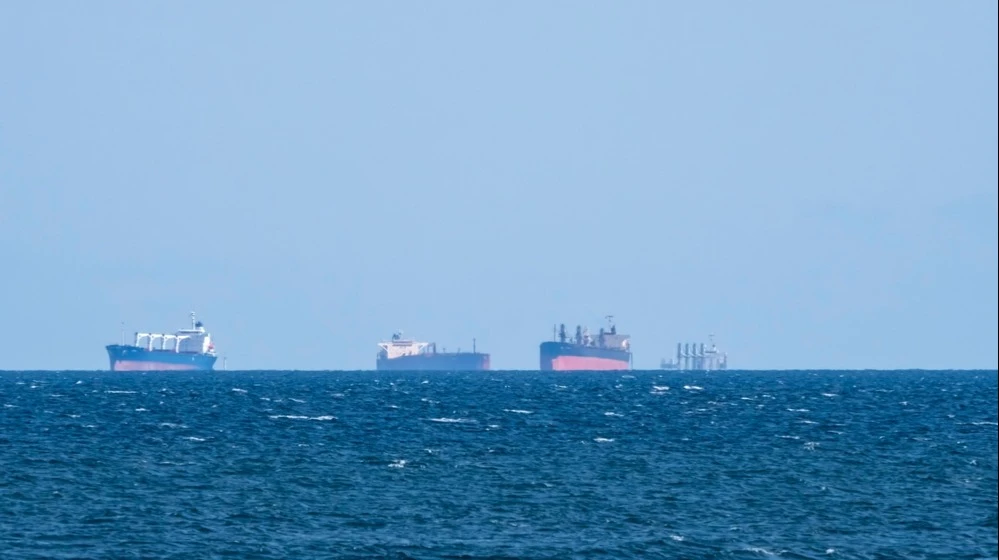
The CPC terminal in Novorossiysk is a key route for Kazakhstan, which has no other major routes for exporting raw materials to the global market / Photo: aarrows / Shutterstock.com
Ukraine has agreed to limit strikes on non-Russian oil tankers and Black Sea infrastructure that is critical to Kazakhstan’s oil exports, Bloomberg reported, citing an unnamed U.S. official.
Ukraine made this commitment following a meeting with high-ranking U.S. government officials, the agency reports. This could be a significant step toward increasing oil transportation volumes in the region. Last month, a series of attacks on ships near the Caspian Pipeline Consortium (CPC) terminal in the Russian port of Novorossiysk led to a halt in loading operations.
Details
Under the terms of the agreement, Ukraine has committed not to attack the CPC infrastructure or non-Russian vessels heading to the terminal, a Bloomberg source said. To this end, three conditions must be met: the vessels must not be subject to Ukrainian sanctions, must not be carrying Russian cargo, and must not be owned by Russian individuals or legal entities. Kyiv will also send instructions to shipowners explaining exactly which vessels may be subject to attacks.
According to the source, Kyiv has established contact points through which commercial shipowners can provide information about their vessels to ensure safe passage. Ukraine will also continue to maintain close contact with U.S. companies and the Donald Trump administration on all issues related to the safety of commercial shipping, another source said.
Earlier, The Wall Street Journal reported, citing sources, that the Trump administration had asked Ukraine to limit its attacks in the Black Sea following a meeting with Chevron executives. The American oil giant raised this issue following attacks on tankers, which prevented Kazakhstan from shipping oil to its main export terminal. Chevron owns a 15% stake in the CPC and a 50% stake in the Tengiz field—the most productive of Kazakhstan’s three major oil fields, from which oil flows into the CPC pipeline. Tengiz accounts for about 12% of Chevron’s total global production.
Context
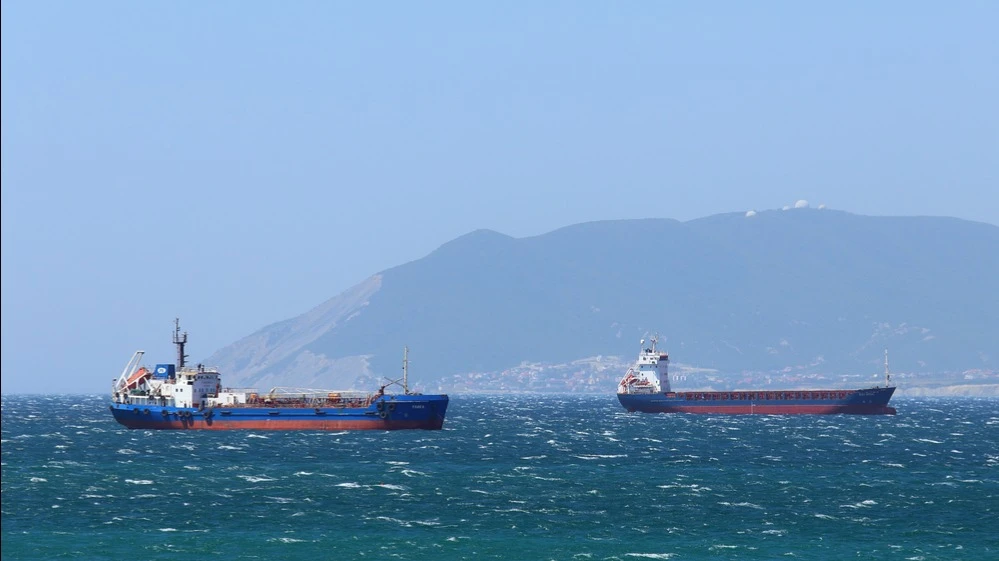
The CPC terminal in Novorossiysk accounts for about 2% of global oil shipments. This is a key route for Kazakhstan, which has no other major routes for exporting its crude oil to the global market. European oil refineries also rely heavily on supplies from this route.
It remains unclear whether the new agreement will help normalize shipments and reassure shipowners, Bloomberg notes. Previous agreements on transit security have been ineffective: some companies provided Ukraine with lists of their ships, but those vessels were still targeted.
This article was AI-translated and verified by a human editor