AI Is Displacing the Auto Industry: Nokia Will Return to Europe's "Blue-Chip" Index in Place of VW
Nokia's stock price has more than doubled over the past year thanks to a shift toward AI


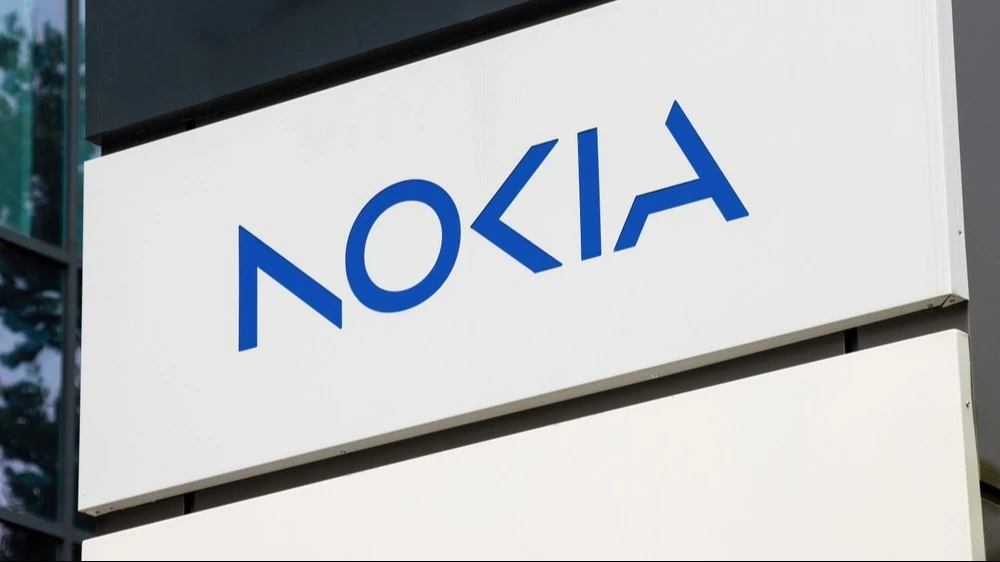
Nokia's stock price rose in response to the shift toward AI / Photo: Below the Sky/Shutterstock.com
Nokia will be added to the Euro Stoxx 50 before the market opens on September 21, according to the index compiler, as reported by Bloomberg. The Finnish telecommunications equipment manufacturer will return to the index after a one-year absence, while Europe’s largest automaker, Volkswagen, will lose its spot. Bloomberg cites the reshuffle as further evidence of the European auto industry’s struggles.
Along with Nokia, the French energy company Engie will be added to the index of the 50 largest publicly traded companies in the eurozone, while the Dutch information services provider Wolters Kluwer will be removed from it. Stoxx has also revised the composition of the broader Stoxx 600: Greek banks Piraeus Bank and Alpha Bank will be added, while airport operator Fraport and British retailer JD Sports Fashion will be removed.
Nokia shares traded in the U.S. rose 1% in after-hours trading following the announcement of the company’s return to the Euro Stoxx 50. Stocktwits notes that retail investors’ interest in the company’s stock has increased significantly.
Betting on AI
Nokia’s return was preceded by a sharp rise in its stock price: over the past 12 months, it has soared by 135%. Since the beginning of 2026, the stock has risen 55%: the market has responded positively to Nokia’s shift toward supplying equipment for artificial intelligence and cloud infrastructure, according to Stocktwits.
This strategy is already reflected in the company’s operating metrics. In the second quarter of 2026, Nokia’s sales in the AI and cloud technology segment more than doubled compared to the same period a year earlier. Demand was not limited to a single product category: the company received long-term orders in the optical and IP networking segments, according to Zacks.
In addition, Nokia is expanding its business beyond traditional communications equipment by integrating artificial intelligence into network management. Together with Google Cloud, the company is developing AI agents for autonomous networks. The partnership with Vodafone involves the creation of an AI-driven network slicing technology capable of dynamically allocating network resources, notes Zacks.
What Does This Mean for an Investor?
Changes in the composition of major indices have a direct impact on demand for stocks. Funds that track the Euro Stoxx 50 must buy shares of companies added to the index and sell those that are removed, explains Stocktwits. The growing popularity of passive investing is therefore making inclusion in major market indices increasingly significant, notes Bloomberg.
Market assessments, however, are mixed. According to Koyfin data cited by Stocktwits, 12 out of 23 analysts recommend buying Nokia shares, four advise holding them, and seven recommend selling them. Zacks believes the stock does not appear overvalued: the company’s forward P/E ratio is 22, compared with a sector average of 31.
A Reflection of the European Auto Industry
Volkswagen's delisting followed yet another weak year for the company's stock. Bloomberg attributes the pressure on the stock to intensifying competition from Chinese manufacturers, difficulties in cutting costs, and the costly transition to electric vehicles.
The group's profit margin is only 3.8 percent: the company earns about €1,300 from the sale of each Golf, according to Handelsblatt. VW spends more than its main competitors: its expenses are 30 percent higher than those of comparable manufacturers.
Costs are rising not only because of expensive production at the plants, notes *Handelsblatt*. The company maintains an extensive structure of middle managers and support departments. In early September, the supervisory board is set to consider measures to reform the business: draft proposals have been prepared by employees, VW management, and the state of Lower Saxony.
A year earlier, Stellantis was removed from the index: a change in leadership and U.S. tariffs exacerbated the decline in its stock price. Following the September review, only BMW, Mercedes-Benz, and Ferrari will remain among the automakers in the Euro Stoxx 50, Bloomberg notes.
This article was AI-translated and verified by a human editor