The Nasdaq Composite IT sector index fell at its fastest pace in a week since June
Investors' doubts about the effectiveness of large-scale investments in artificial intelligence led to a sell-off


The Nasdaq has lost more than 4% this week / Photo: rblfmr / Shutterstock.com
The Nasdaq Composite technology sector index fell 2.15% on Friday, October 16, posting its worst performance for the day and the week since June, according to Barron's. The index also snapped a four-week winning streak. Over the course of five trading days, it lost about 4%.
The S&P 500 broad-market index fell 1.1% on Friday, while the Dow Jones Industrial Average, a blue-chip index, dropped 0.3%. The Russell 2000 index of small- and mid-cap companies fell 2.5%. Over the week, the S&P 500 declined by about 2%, but the Dow Jones managed to rise 0.7%.
Brent crude rose to $110 per barrel during trading for the first time since May: the price of December futures rose 3.7%. The commodity has risen in price for the second week in a row, according to Bloomberg.
Shares of chipmakers fell for the eighth consecutive day, marking the longest streak of price declines since 2008, Bloomberg reported. The Philadelphia Semiconductor Index fell 3.83% on Friday. Concerns that investments in artificial intelligence infrastructure have already outpaced companies’ ability to generate profits from them have shaken the sector, the agency reports.
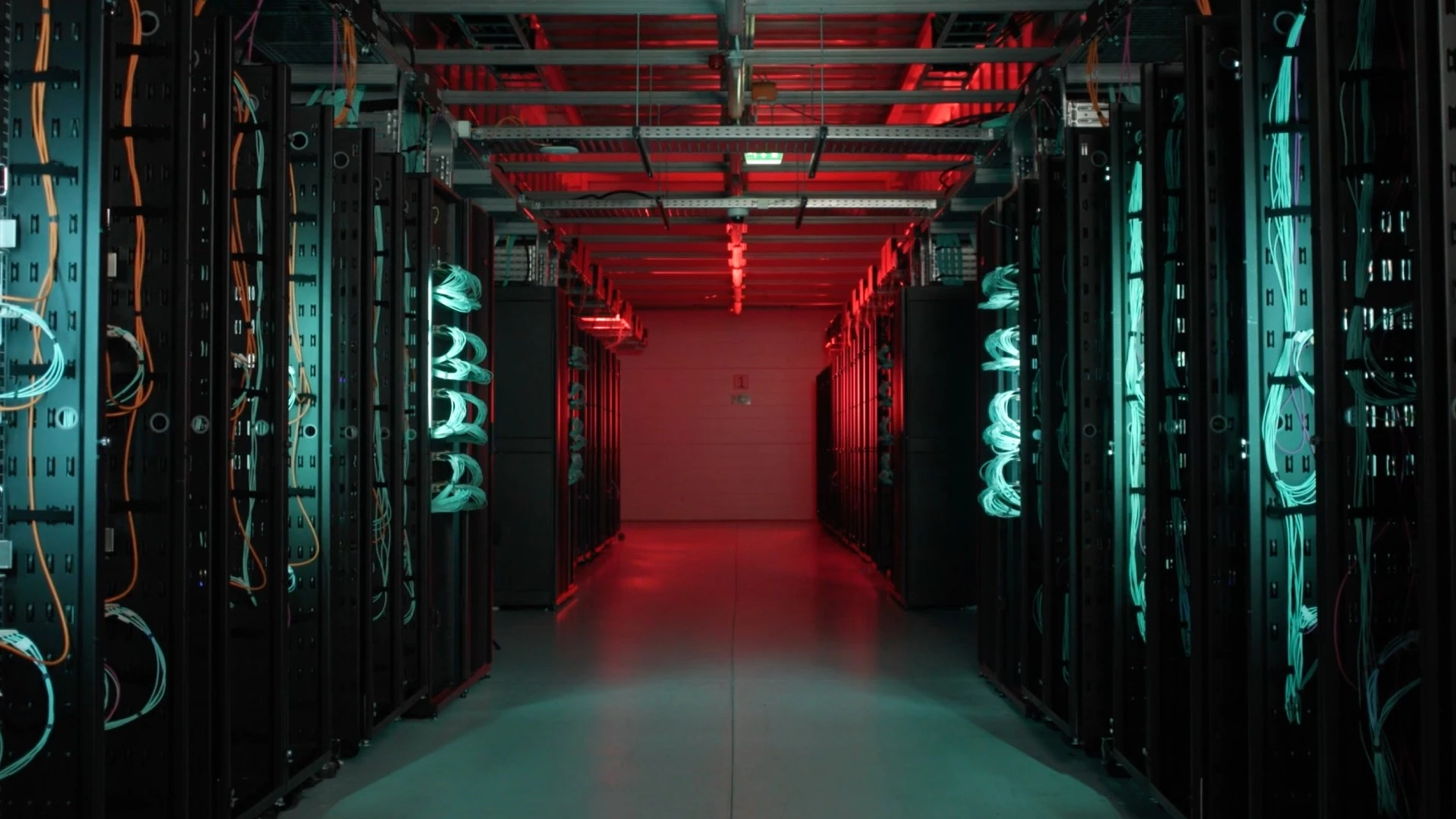
Cloud-based computing providers were also hit: CoreWeave and Nebius shares fell 12% on October 16. In CoreWeave’s case, investors are concerned about its debt: the yield on its bonds has reached a level that typically indicates financial difficulties, Bloomberg noted. The company has drawn particular attention as a relatively new player in the industry that relies heavily on high-interest debt to finance its growth, the agency explained. Given the rise in U.S. Treasury yields and rising inflation, the cost of this financing is rising rapidly, it added.
“The question is no longer simply how great the opportunity opened up by AI might be, but how profitable the massive investments required to realize it will ultimately prove to be,” noted Fawad Razaqzada, an analyst at Stonex Trading and Forex.com (as quoted by Bloomberg). Demand for chips and computing power remains high, but investors also want to see an adequate return on the money spent on data centers, power generation, network development, and other infrastructure, the expert added.
“The market has run its course on the AI theme. Stock market investors aren’t used to acting like venture capitalists. Investors are saying, ‘Enough is enough. ‘You want to build this research project? That’s great, but we don’t necessarily have to accompany you on that journey,’ said Nicholas Kolas, co-founder of DataTrek Research, as quoted by Barron’s.”
This article was AI-translated and verified by a human editor