AI saved the US from recession, thinks 'perpetual bear'. Why is it still waiting for problems?
GMO founder Jeremy Grantham believes capital spending on artificial intelligence has kept the US out of recession but has not eliminated the risk of market overvaluation

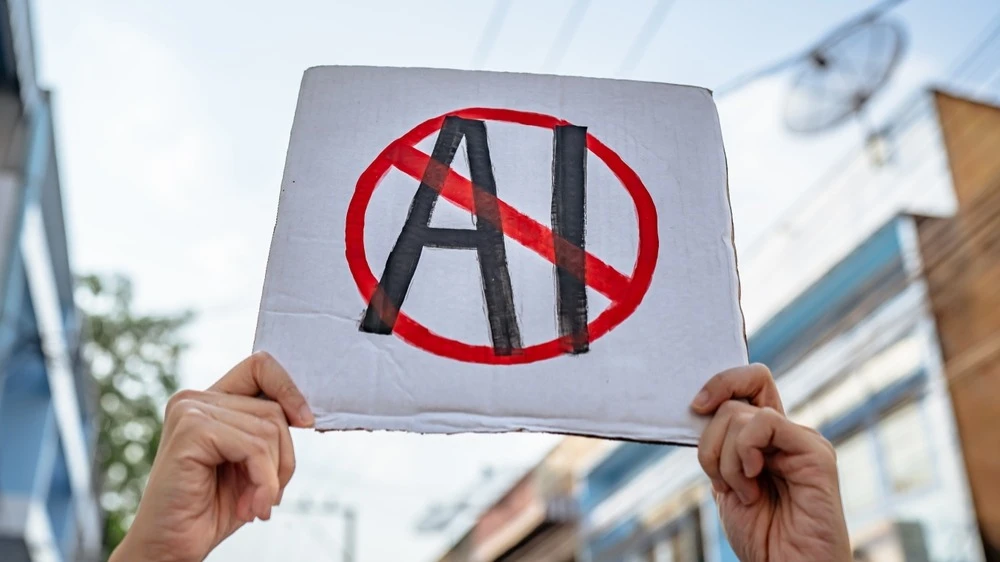
Grantham believes the launch of ChatGPT and the hype around artificial intelligence has revitalized a bubble that had previously deflated / Photo: Shutterstock.com
The U.S. could have entered a recession as early as 2023 and the stock market could have fallen 25% if not for a boom in capital spending on artificial intelligence, according to one of Wall Street's most respected veteran investors, Jeremy Grantham. On the Excess Returns podcast, the GMO founder, known as the "eternal bear" for his caution, said the emergence of ChatGPT and the surge in AI investment has interrupted a bearish scenario that began to unfold in 2022. But Grantham doesn't see this as cause for optimism: the investor believes that artificial intelligence has revitalized a bubble that had previously only managed to deflate by half.
AI as an escape from recession
Grantham believes that the US has avoided recession largely due to a surge in AI capital spending. He says this investment probably explains all of the GDP growth: without it, the US would have approached a zero rate. "My estimate is that we would have entered a recession in 2023 and the market would have fallen another 25% [after falling nearly 20% in 2022. - Oninvest]. Artificial intelligence did not allow this to happen," he stated.
Grantham believes that companies have started investing in AI so aggressively that this spending has supported the economy at a time when the market has been weak.
"My beautiful bear market was rudely interrupted by the advent of AI. ChatGPT is October 2022. And it ruined the bear market. The magnificent seven doubled in value and pulled the S&P index down. And then, 10 months later, the rest of the stocks capitulated and joined the bull market."
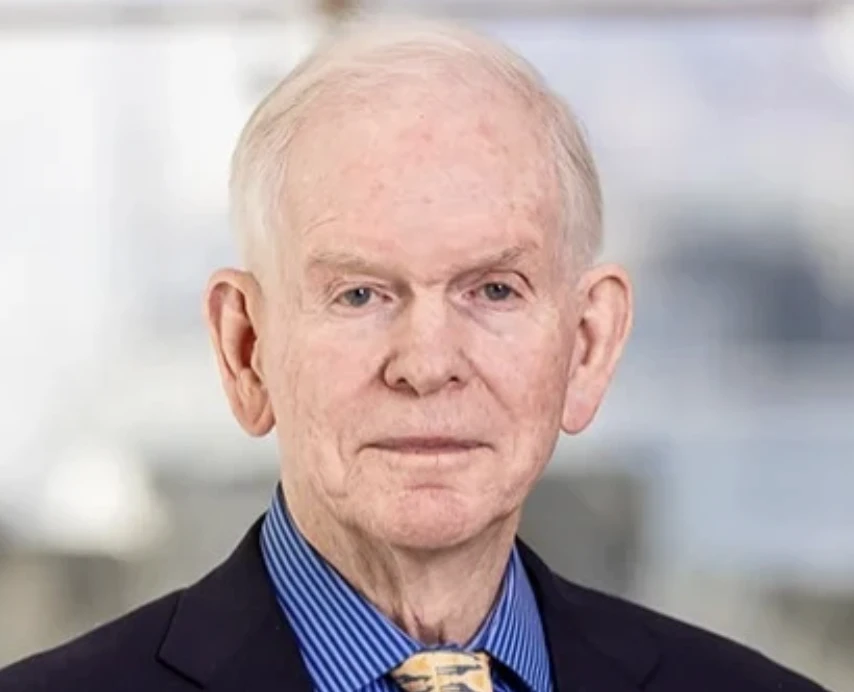
He says the market was in "uncharted territory": AI was a major development, with capital expenditures that were unprecedented as a percentage of GDP - even compared to the era of booming railroad construction. It was this investment momentum, he believes, that prevented the previous bubble from finally deflating: the market had a new technology story around which expectations began to rise again.
"We have a bubble forming inside a bubble that was only half deflated, half completed, and then resuscitated by this astonishingly complex and important business - artificial intelligence"
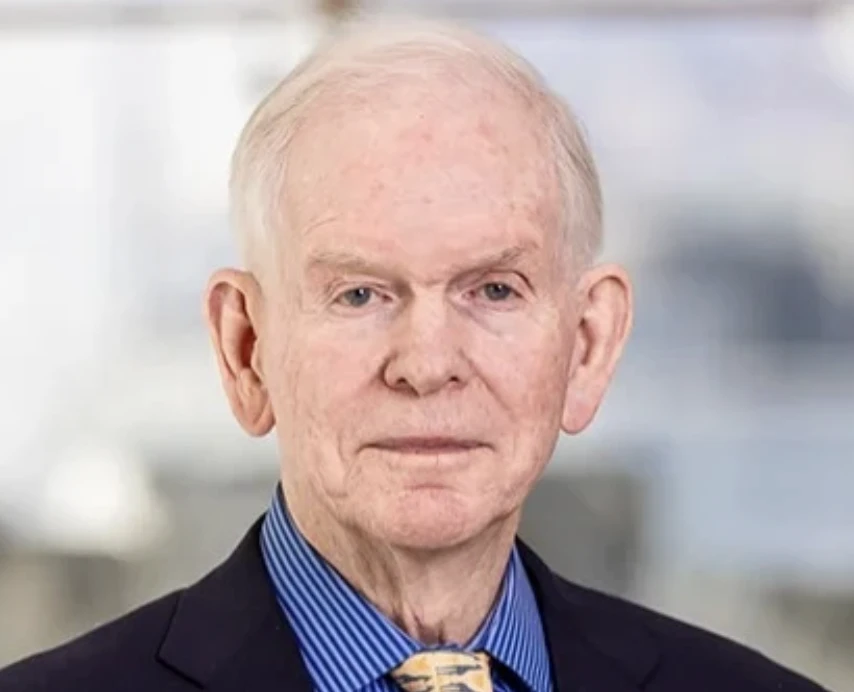
"We're in for a real slaughter."
Grantham believes that AI is changing the previous balance of power among the largest companies. Until recently, the "Magnificent Seven," he says, made their money in an environment of limited competition: each had a strong position in its segment. For example, in the cloud business, the three major players did not bring the rivalry to a price war and acted as a "well-behaved oligopoly".
AI is breaking that model, Grantham says. Now the biggest tech companies aren't defending separate markets, but are going after the same area at the same time - and each is trying to be the first to get a head start on the new technology wave. Grantham believes that this race is no longer just about the Magnificent Seven, but about 15 other companies on the "edges" of the market.
"We have moved from the era of monopolies to a period of fierce competition that will drag on for years. We are in for a real fight, because these are aggressive companies used to destroying their rivals. They have huge budgets, and now they are in a fight to the death," says Grantham.
High competition may limit the effect that the market is now counting on, the investor believes. If several major companies are simultaneously spending huge sums on the same technology market, AI is no longer a protected advantage for individual leaders. Over time, it may become a mandatory cost item - and then its contribution to total margins and profits will be lower than currently expected.
This article was AI-translated and verified by a human editor