Alibaba posted an operating loss for the first time in 5 years. What does this have to do with AI?
Alibaba actually redirected more than 90 percent of the profits of its Chinese e-commerce business in the quarter under review to attract and expand the user base of its AI model, said a Bloomberg Intelligence analyst

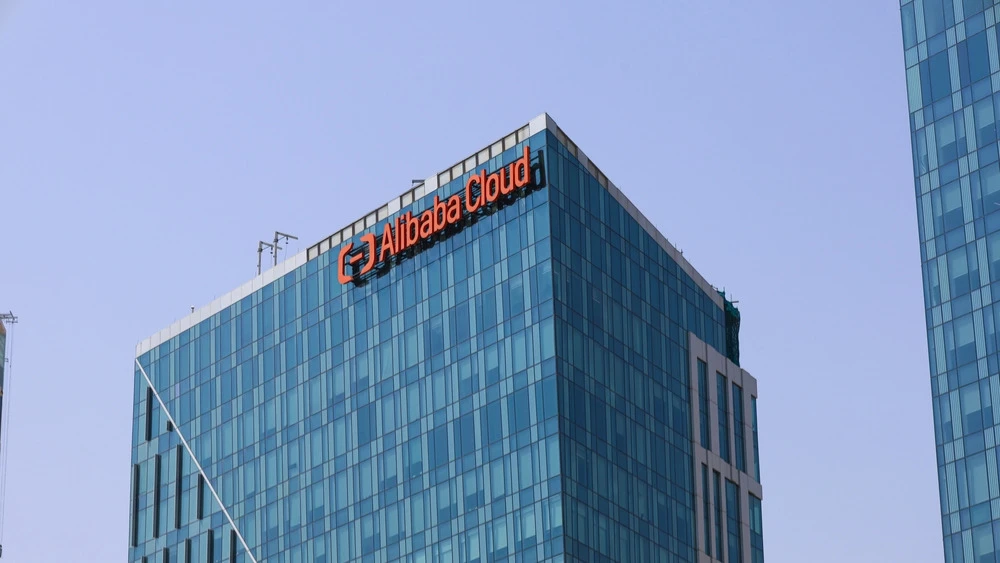
Revenue at Alibaba's cloud division grew 38% in the latest quarter / Photo: Ayman Zaid / Shutterstock.com
Chinese conglomerate Alibaba reported its first operating loss since the pandemic - since the beginning of 2021. This shows how actively the leader of Chinese e-commerce spends on the development of artificial intelligence, Bloomberg writes. At the same time, the company's cloud computing revenue growth rate was comparable to that of the American giants. Alibaba receipts in the U.S. market rose in price by more than 7% after the publication of quarterly reports.
Details
Alibaba posted a quarterly operating loss for the first time since 2021, with a quarterly loss of ¥848 million (roughly $123-125 million) in the fourth quarter of fiscal 2026, which ended March 31. A year earlier, Alibaba's operating profit was ¥28.5 billion. Alibaba's revenue rose 3% to 243.38 billion yuan (about $35.3 billion). The figure fell short of analysts' expectations, Bloomberg notes: Alibaba's results were pressured by higher spending on AI development, expansion of cloud infrastructure and further investments in fast delivery service focused on fulfillment of orders within an hour.
The main driver of Alibaba's revenue growth was the high demand for cloud services and products related to artificial intelligence, according to the analytical portal GuruFocus. The Cloud Intelligence division's revenue increased by 38% to $6.13 billion, which was roughly in line with Wall Street forecasts, Bloomberg notes. By comparison, Amazon's cloud division revenue grew 28% in the first three months of this year, Microsoft's was up 39% and Google's was up 63%. Chinese companies have been spending more aggressively on computing power and AI tools. This was one of the main positives of the report, writes GuruFocus.
This year, Alibaba created Alibaba Token Hub, an AI division. The company continues to increase spending on AI and user acquisition. "Alibaba actually redirected more than 90% of the profits of its China e-commerce business in the quarter under review to attracting and expanding [its AI model] Qwen's user base - and that level of spending looks set to continue into fiscal 2027," said Bloomberg Intelligence analyst Catherine Lim.
Alibaba CEO Eddie Wu said at a conference call that the company is now putting AI development ahead of short-term profitability, which means costs could be "much, much" higher than initial plans, Bloomberg writes. According to Wu, annual recurring revenue (ARR) from AI models and services should reach 10 billion yuan as early as June, and exceed 30 billion yuan by the end of the year.
Shares of Alibaba on the Hong Kong Stock Exchange fell 0.4% on Wednesday. The company's depositary receipts in the U.S. jumped 7.8% to $145.3 after the publication of the reports.
What's holding Alibaba back
Alibaba is facing serious competition in its core businesses. For example, the company is engaged in a profit-destroying war of discounts and subsidies with Meituan and JD.com in the food delivery market, Bloomberg writes.
Alibaba's core e-commerce business in China showed relatively solid results, GuruFocus writes. Government subsidy programs for the exchange of old appliances were supportive, boosting demand for electronics and home appliances. However, the international e-commerce business remained weaker, limiting overall business growth.
The quarterly results reflect a broader challenge that many Chinese tech companies are now facing: demand for AI is growing fast, but consumer confidence and the global economy remain fragile, writes GuruFocus. That said, for investors, Alibaba's cloud business is becoming an increasingly important part of the company. The main question now is whether this momentum over time will be able to offset slower growth in the retail business and support stronger profit growth, the publication emphasizes.
What the analysts are saying
Citi reiterated a "buy" recommendation on the receipts of the Chinese tech giant and kept the target price of ADR Alibaba at $205. This is 52% higher than the closing price on Ma. 12. The investment bank attributed the revision to the company's success in artificial intelligence and cloud technology. "We forecast that AI-related revenue will grow at a compound annual growth rate of 90% from FY 2026 to FY 2031 and will account for 70% of all cloud business revenue by 2031. Meanwhile, revenue from model-as-a-service will grow at 235% per year to reach ¥438.6 billion, or 53% of cloud revenue by 2031," Citi analyst Alicia Yap wrote in a note on Tuesday, as quoted by Seeking Alpha.
According to FactSet, of the 50 analysts tracking Alibaba, 46 of them advise buying the securities, three advise holding in a portfolio, and only one recommends selling. The Wall Street consensus forecast is for $190, up 41% from Tuesday's closing price.
This article was AI-translated and verified by a human editor