Anthropic is in talks with Samsung about developing its own AI chip — The Information

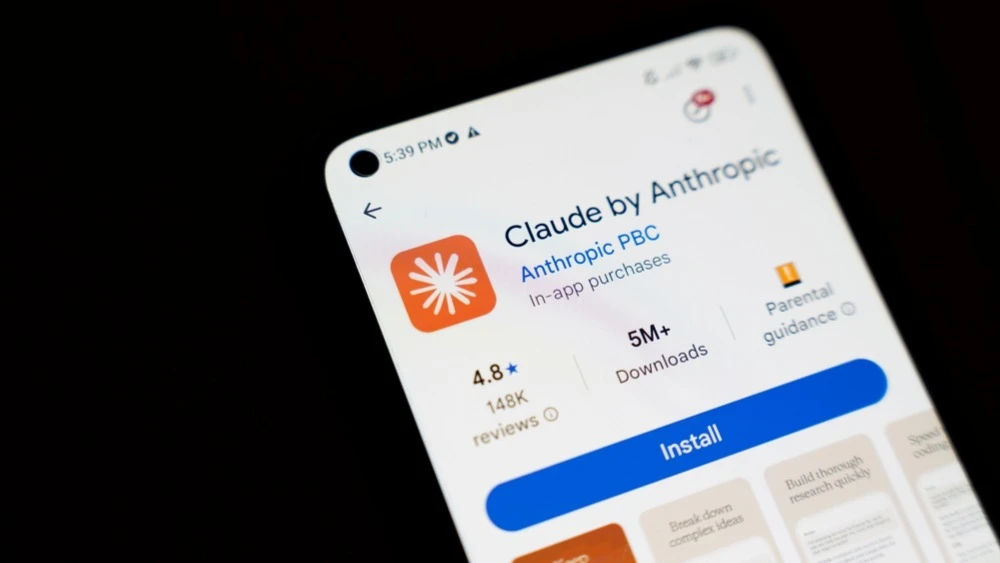
For now, Anthropic’s technical processes rely on chips from Amazon, Google, and Nvidia / Photo: daily_creativity / Shutterstock
Anthropic, the developer of the Claude language model, is in talks with Samsung Electronics about the possibility of manufacturing a custom AI chip. This was reported by The Information, citing sources familiar with the company’s plans, according to Bloomberg.
Details
According to The Information, the project is in its early stages. Anthropic has not yet decided on the processor to be used, its processing power, or exactly how it will be integrated into the server infrastructure.
Samsung declined to comment on the potential collaboration. Anthropic also declined to comment on plans to develop a chip, but stated that Amazon’s Trainium processors, Google’s tensor processing units (TPUs), and Nvidia’s graphics processing units (GPUs) will remain the foundation of the AI company’s computing strategy.
On July 2, Samsung’s stock plummeted 9% during trading in South Korea (One of the reasons was reports that Meta intends to build its own cloud business to sell access to computing power, which raised concerns about whether there would be an oversupply of AI computing power in the market). News of a possible partnership with Anthropic emerged after the Asian markets closed.
Context
AI model developers are seeking to create their own chips in order to diversify their supply chains amid growing demand for AI. Last month, OpenAI unveiled its first custom AI chip, developed in collaboration with Broadcom.
This spring, news also emerged of a three-way partnership between Broadcom, Google, and Anthropic: under the terms of the agreement with Google, Broadcom will continue to develop custom TPUs through 2031, creating a direct alternative to Nvidia’s solutions—and Anthropic will become one of the main users of this technology. Mizuho analysts estimated Broadcom’s potential revenue from this collaboration with Anthropic at $21 billion in 2026 and $42 billion in 2027.
Samsung, for its part, according to The Information, is also in talks with Google regarding the possible production of a component for the company's new AI chip, Icefish.
This article was AI-translated and verified by a human editor