Small caps last week: Playboy's pivot, AbCellera trial win, GLP-1 boon for AirSculpt

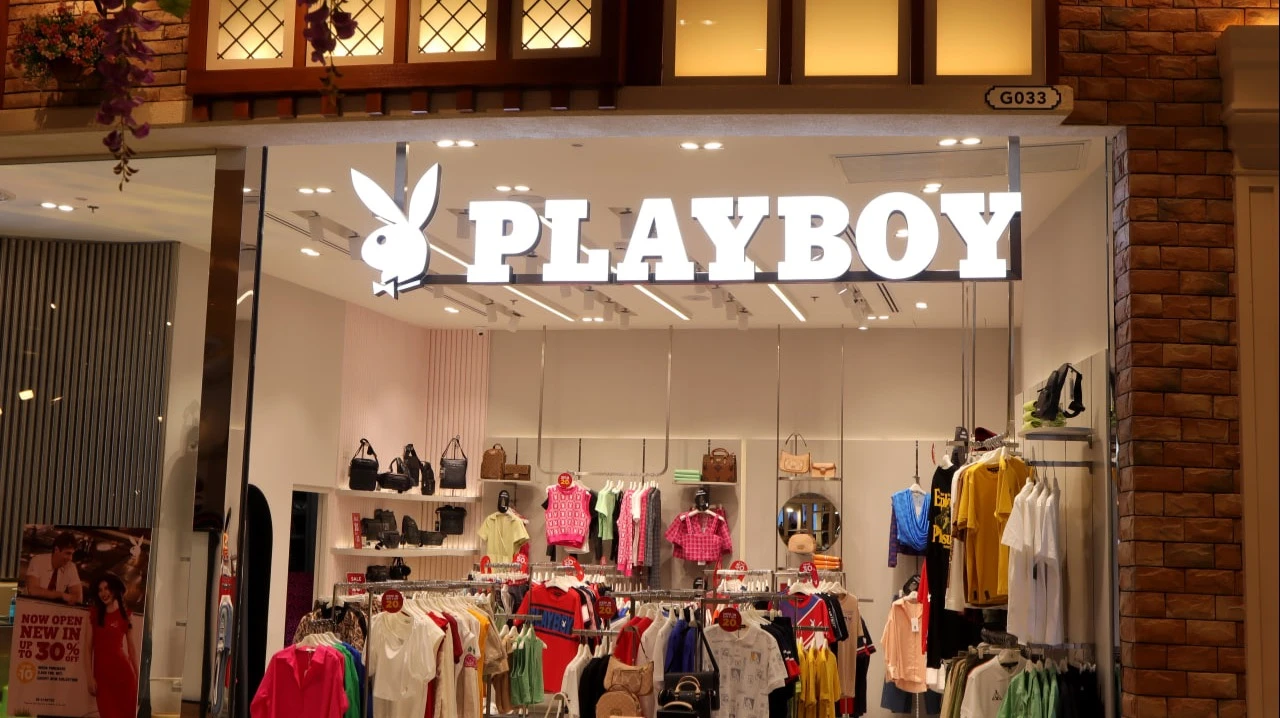
Playboy has evolved into essentially a brand and licensing company with a growing lingerie retail arm / Photo: Yuphayao Pooh's / Shutterstock.com
Last week, Playboy’s pivot toward licensing and lingerie sales began to pay off, while AirSculpt highlighted a potential boost from growing demand for GLP-1-related plastic surgery. In biotech, AbCellera surged on successful trial results for its hot-flash drug, while Sionna cratered after its cystic fibrosis treatment failed in a mid-stage study. Meanwhile, financial services firm Marex Group reached an all-time high after market volatility helped drive a sharp rise in second-quarter revenue and net income. Oninvest recaps these stories from the small-cap space for the week of August 10-14.
Playboy’s licensing model starts to pay off, sending shares higher
Playboy, which made its name as a media empire, has reported second-quarter results showing that its new strategy is working, with a pivot toward licensing and lingerie sales seemingly helping the company return to profitability. Its shares surged more than 15% on the Nasdaq on Tuesday.
For the second quarter, the company reported net income of around $200,000 versus a net loss of $7.7 million in the same period of 2025. Adjusted EBITDA doubled year over year to $7 million. The top line rose 11% to $31.2 million.
Playboy attributed the improvement to its new strategy. The primary driver of the second-quarter revenue growth was the continued strong performance of lingerie brand Honey Birdette. Playboy also has an agreement licensing its brand and Rabbit Head logo to Thai condom and lubricant manufacturer Thai Nippon Rubber Industry Public, as well as an agreement with Sunny Cusco, which produces and sells apparel.
Playboy shares have fallen more than 30% year to date. The stock has two “buy” calls versus one “hold” rating, according to MarketWatch data. The average target price is $2.83 per share, implying almost 89% upside from the Friday close.
Hot-flash drugmaker soars 35% after successful clinical trial
Canadian biotech AbCellera has reported successful mid-stage clinical trial results for its treatment for menopausal symptoms. Shares of the company, which was backed at an early stage by Peter Thiel, surged almost 35% on the Nasdaq on Monday to reach a three-year high.
ABCL635 is designed to block the biological mechanisms behind menopausal symptoms, the most common of which are hot flashes and night sweats. The release of data from a mid-stage, phase II clinical trial showed reductions in both the frequency and severity of menopausal symptoms, with no serious adverse reactions among the patients.
AbCellera notes that the drug could significantly improve patients’ quality of life: hot flashes affect up to 80% of women and can persist for many years after the final menstrual period. “We believe ABCL635 has potential to be a blockbuster product,” AbCellera CEO Carl Hansen said on a conference call with investors, as quoted by Bloomberg.
Wall Street remains unanimously upbeat on the stock. It has eight “buy” calls, according to MarketWatch data. The average target price is $17.43 per share, implying more than 50% upside from the Friday close.
Plastic surgery clinic operator sees boon to demand from GLP-1 boom
Plastic surgery clinic operator AirSculpt Technologies believes that the popularity of GLP-1 weight-loss drugs could generate more than $100 million for the company in the long term, CEO Yogi Jashnani said. The reason is that patients who lose weight rapidly may need procedures to tighten the skin and remove excess skin.
This would represent significant boost for AirSculpt. For comparison, its 2025 revenue totaled $151.8 million. Jashnani said that, to develop its business serving this group of patients, the company has already agreed to a partnership with filler manufacturer Tiger Aesthetics.
Following his comments, AirSculpt shares jumped almost 17% on the Nasdaq. The stock has two “hold” ratings versus one “buy” call, according to MarketWatch data. The average target price is $4.50 per share, implying almost 33% upside from the Friday close.
Sionna plunges 90% after cystic fibrosis drug fails in trial
Biotech Sionna Therapeutics, which was spun out of pharma giant Sanofi in 2019, reported the failure of its experimental drug candidate SION-719 for cystic fibrosis, a genetic disease that affects the lungs. Following the announcement, Sionna shares plunged more than 90% on the Nasdaq on Monday.
SION-719 was being developed as an add-on to Vertex Pharmaceuticals’ Trikafta, the standard of care for cystic fibrosis. The disease causes mucus, sweat, and digestive juices produced by the body to become extremely thick, impairing the functioning of the lungs, bronchial tubes, and intestines. The mid-stage, phase II-a trial showed that adding SION-719 did not produce a meaningful reduction in sweat chloride levels – one of the key markers of cystic fibrosis treatment efficacy. Sionna called the results “unexpected” and said it would discontinue the development of SION-719 as an add-on to Trikafta.
However, the failure is not a death sentence for the company, Barron’s noted, as Sionna has several potential drug candidates in its pipeline. The stock now has 10 “hold” ratings versus one “buy” call, according to MarketWatch data. The average target price is $21.43 per share, more than three times the Friday closing price.
Market volatility helps push Marex Group stock to all-time high
Marex Group, which provides institutional investors with access to commodity exchanges and equities, more than doubled its second-quarter net income thanks to market volatility. Its shares surged almost 19% on Wednesday to an all-time high.
Second-quarter revenue rose 39% year over year to $695.8 million. The figure came in above the Wall Street consensus estimate of $625.3 million. As mentioned, net income more than doubled to $155.3 million, 50% above the market forecast.
As a middleman and market maker, Marex benefited significantly from market volatility, Investor’s Business Daily explained. Revenue from securities trading rose 68% in the second quarter versus the same period last year.
Wall Street remains unanimously sanguine on the stock, with seven “buy” calls, according to MarketWatch data. The average target price is $84.71 per share, implying 19.2% upside from the Friday close.