Trump threatened to "bomb" Oman if it interfered with U.S.-Iran talks
Oman has been conducting parallel negotiations with Iran for several weeks regarding control of the Strait of Hormuz—at a time when talks between Tehran and Washington have reached an impasse, according to Financial Times sources

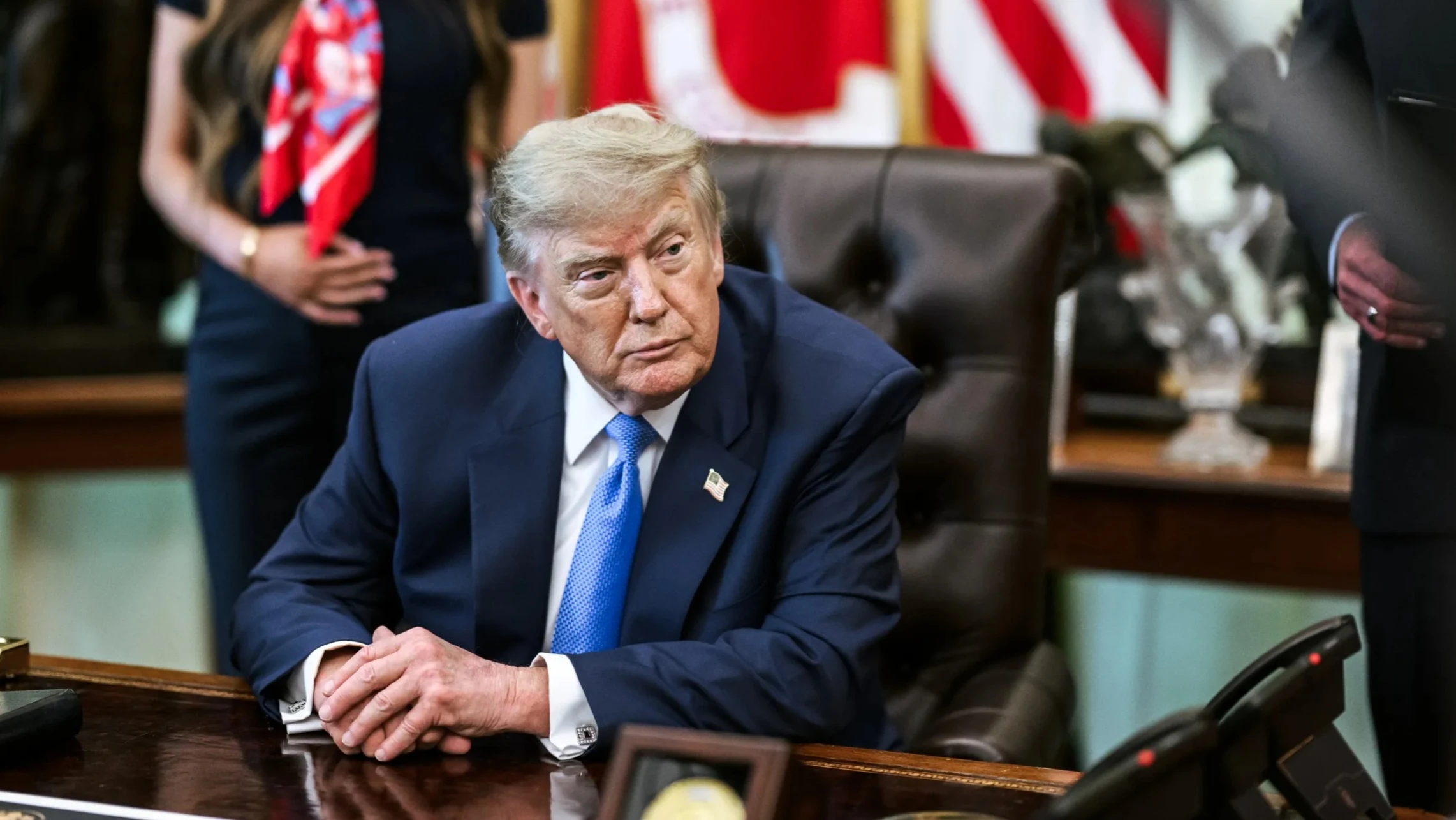
Photo: The White House
U.S. President Donald Trump threatened to strike at Washington’s traditional ally — Oman — if its authorities “stand in the way” of the U.S. as part of a deal with Iran to resume shipping through the Strait of Hormuz. Trump made this statement in an interview with Fox News.
“If Oman gets in our way [as part of a deal with Tehran], we’ll bomb them to smithereens,” Trump declared. This was his response to a question from a Fox News reporter about parallel negotiations between Iran and Oman regarding control of the Strait of Hormuz. The threat came amid a stalemate in U.S. diplomatic efforts to resume shipping traffic through this strategically important waterway.
Trump also reaffirmed the U.S. position that, in order to reach a long-term agreement, Iran must abandon its nuclear program. Sources familiar with the U.S.-Iran negotiations told the Financial Times that the talks had reached an impasse more than a week ago.
Against this backdrop, Brent crude prices jumped above $91 per barrel on August 17, while WTI was trading at $88.9.
Oil prices are also under pressure because the 60-day ceasefire between the U.S. and Iran is set to expire on Monday—neither side has indicated whether formal negotiations will continue or whether a deal will be reached to extend the agreement, — the parties have not reported, CNBC notes.
The territorial waters of Iran and Oman extend into the Strait of Hormuz, and the two countries have been negotiating for several weeks to reach a temporary agreement on regulating shipping, according to the Financial Times.
According to Kpler, ship traffic through the Strait of Hormuz came to a virtual standstill on Sunday—as the temporary agreement between the U.S. and Iran was set to expire. On August 16, only three ships passed through the waterway, although average traffic was around 12 ships. Before the war in the Middle East began in late February, about 130 ships crossed the Strait of Hormuz daily.
This article was AI-translated and verified by a human editor