Is the telecom sell-off excessive? Who stands to gain if Starlink becomes a mobile carrier?


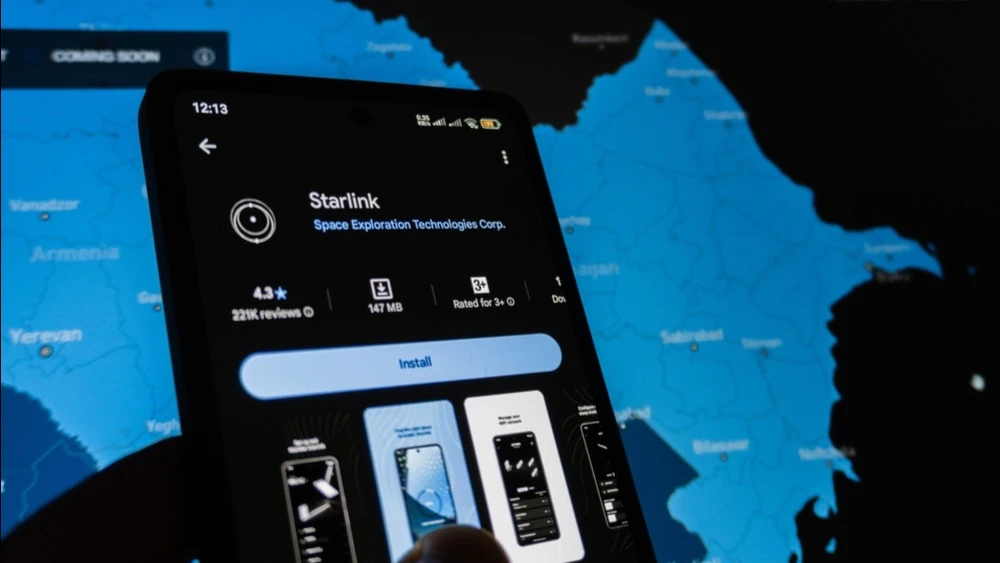
The main beneficiaries of SpaceX's purchase of radio spectrum were the owners of ground-based cell towers / Photo: SpaceX
While the sell-off of telecom providers continues in the market following SpaceX’s agreement to purchase a nationwide spectrum package from Grain Management—necessary for the development of Starlink Mobile—the stocks of cell tower owners, on the other hand, rose: Wall Street analysts say the news of the deal was positive for them. In addition, some analysts considered the sell-off of telecom provider stocks to be excessive and advised investors to look for buying opportunities on the dip.
Shares of the three major U.S. telecommunications carriers plummeted on October 9. Investors fear that Musk's company could emerge as a new, technologically advanced competitor to AT&T, Verizon, and T-Mobile in the U.S.
Details
Elon Musk’s company SpaceX’s purchase of terrestrial radio spectrum is a move that could turn Starlink Mobile into a direct competitor to AT&T, Verizon, and T-Mobile, Reuters notes. Against this backdrop, shares of the three major U.S. mobile carriers fell on Friday: AT&T by 10%, Verizon Communications by 9.5%, and T-Mobile US by more than 12%.
For the rest of the telecommunications sector, the news was positive. Shares of the largest cell tower owners rose: American Tower by 8%, Crown Castle by 13.5%, and SBA Communications by 5.8%. The reason is that SpaceX, despite its satellite infrastructure, will likely still have to place ground-based equipment on towers and rooftops, according to Yahoo Finance. Tower operators receive rent from each customer that places equipment on their sites, so SpaceX could potentially become a major new tenant for them.
Amid a deal that made headlines in the industry, shares of some traditional satellite companies, such as EchoStar and Viasat, also rose: Investors expect that the ongoing battle for scarce radio spectrum could lead to new deals and industry consolidation, Barron’s notes.

What Analysts Are Saying
— The threat posed by SpaceX does not yet warrant such a sharp market reaction toward telecom providers, according to Citi analyst Michael Rollins, whose note is cited by Barron’s. “We do not expect SpaceX to begin having a material impact on the operating results of the three largest telecommunications companies until at least 2029,” Rollins wrote. According to him, until then, AT&T and its competitors will likely continue to separate additional paid services from their basic rate plans in order to remain competitive. Citi views the current sell-off in telecom stocks as a buying opportunity. Rollins believes that AT&T and its competitors will continue to have their own drivers of earnings growth in the coming year. In particular, Americans are keeping their smartphones longer before replacing them, and subscriber churn between carriers has decreased. This reduces companies’ costs for acquiring and retaining customers, supports cash flow, and, consequently, dividends.
— The purchase of radio spectrum “increases the likelihood that SpaceX is moving closer to creating its own mobile network—or, at the very least, is acquiring an asset that will allow it to negotiate its entry into the market” as a virtual mobile operator using another company’s infrastructure, according to Raymond James analyst Rick Prentiss. His opinion is cited by Barron’s. It remains unclear exactly how SpaceX plans to enter the market for direct satellite communications with mobile devices, the analyst writes. However, as Prentiss has noted before, this sounds alarming to operators, and it is impossible to rule out such a scenario; therefore, negative sentiment will likely prevail in the market.
However, Raymond James believes this is good news for tower owners. To build the ground-based portion of its network, SpaceX will need infrastructure, and this could lead to additional demand for sites from American Tower, Crown Castle, and other tower operators.
— Bernstein analysts also viewed the deal as positive for telecommunications tower operators, noting that the acquisition of SpaceX “keeps the possibility of building a ground-based network very much alive,” according to Investing.com. At the same time, they emphasized that the purchase of spectrum alone does not yet mean a decision to build additional towers. “It was precisely this spectrum, as we believed, that SpaceX needed to make this option more realistic—and less costly,” Bernstein emphasized.
— Goldman Sachs also called SpaceX’s purchase of low-frequency spectrum positive news for U.S. telecommunications tower owners, according to Investing.com. According to the bank, the 800 MHz spectrum will likely be deployed using existing physical infrastructure in cities, creating a new potential tenant for tower owners.
Context
On October 8, SpaceX announced that it had purchased Grain Management’s nationwide portfolio of 800 MHz low-frequency spectrum licenses. The deal is valued at about $8 billion in cash, according to The Wall Street Journal. However, the deal still requires approval from the U.S. Federal Communications Commission (FCC).
"This is the final critical element of the spectrum that SpaceX needs to provide full mobile coverage across the United States," SpaceX CEO Elon Musk said on the social media platform X.
The new acquisition adds the low-frequency band—essential for high-quality terrestrial coverage—to SpaceX’s satellite and mid-frequency spectrum. That is precisely why investors viewed the deal as another step for SpaceX toward transitioning from a satellite service provider to a full-fledged mobile carrier: SpaceX shares rose 1.1% on October 9, to $162.3, but then the gains narrowed, and at the time of publication, they are trading at roughly yesterday’s closing price.
This article was AI-translated and verified by a human editor