Apple is testing CXMT memory chips. Will this help prevent iPhone prices from rising?

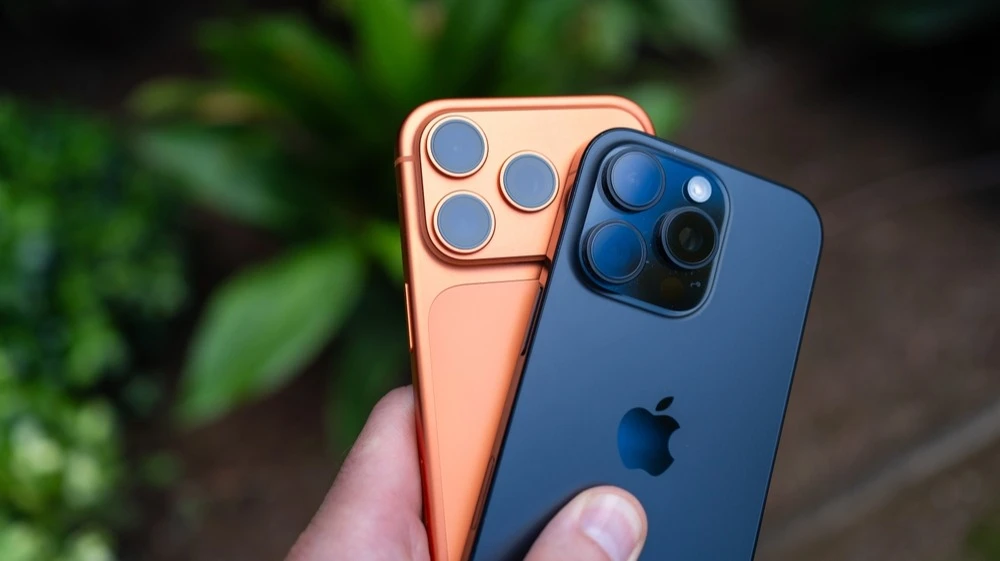
Apple Is Testing Memory Chips from China Amid a Component Shortage / Photo: vfhnb12 / Shutterstock
Apple is testing memory chips from the Chinese company CXMT in various product lines, including the iPhone and MacBook, according to The Wall Street Journal, citing sources. Due to the artificial intelligence boom, the American company has faced a shortage of components and has been forced to raise prices on its devices.
Details
Apple has held preliminary talks with CXMT regarding the supply of components intended for use in some of the devices sold in China, according to the newspaper’s sources. The company is hoping to obtain White House approval to do business with the Chinese firm, the WSJ notes. Current U.S. restrictions prohibit companies from transferring technology to China’s CXMT. Any discussion of technical details and product specifications—which are typically required to develop custom chips tailored to Apple’s needs—is prohibited, explained Kevin Wolfe, a lawyer at Akin Gump who advises businesses on export control issues. This effectively prevents the company from ordering custom components from the Chinese manufacturer. However, the regulations do allow for the purchase of standard products and price negotiations, Wolfe added.
Even if sanctions are strictly enforced, Apple may still need approval from the administration of Donald Trump to use Chinese microchips, the WSJ notes.
Laptop manufacturers HP and Acer have already begun using CXMT memory in devices sold outside the U.S. to alleviate the shortage, the publication’s sources added. They have secured limited batches of components and are seeking to reserve new shipments for next year, Nikkei Asia previously reported.
Will this help Apple tackle the memory chip shortage?
Apple often customizes components for its devices to maximize performance, the WSJ notes. The use of standard CXMT chips may force the company to redesign certain parts of its products. Industry analysts also note that the Chinese company’s technology still lags behind that of its foreign competitors, partly due to restrictions on access to the most advanced chip-manufacturing equipment.
At present, CXMT chips will not be a panacea for Apple, the newspaper notes. Insiders report that the Chinese company’s production capacity is fully utilized this year, so there is virtually no spare capacity left for new international customers, according to the WSJ.
Meanwhile, Apple has begun raising prices for its products worldwide, citing rising costs for memory chips due to high demand from artificial intelligence developers. “Price increases are inevitable. We’re doing everything we can to mitigate the rise in costs and are trying to protect our customers from these increases, but the situation has become unsustainable,” Apple CEO Tim Cook said in June.
That same month, Apple raised prices on a number of MacBook and iPad models. “There are rumors that the iPhone 17 will go up in price on August 10,” wrote a Weibo user with the handle Fixed Focus Digital, though he noted that it’s hard to say whether this will actually happen. Forbes contributor David Falan, who writes about technology, drew attention to his post.
This article was AI-translated and verified by a human editor