The Fed Is Underestimating Record-High Diesel Prices in the U.S.: They Will Drive Up Inflation — Apollo
The crisis in the petroleum products market appears to be more serious than the one in the crude oil market

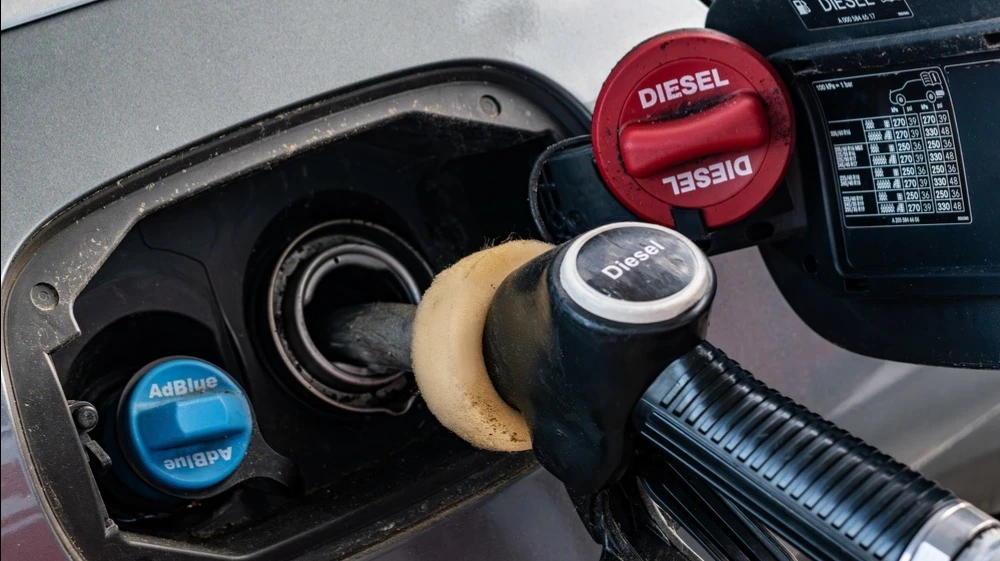
Apollo warned that the 83% surge in diesel prices in the U.S. will be reflected in CPI inflation / Photo: Anna Kondratiuk-Swiacka/Shutterstock.com
Record-high diesel prices pose a more serious threat to inflation than the Federal Reserve may realize, warned Torsten Slock, chief economist at Apollo Global Management, during an appearance on Bloomberg Television. The cost of diesel affects the components used to calculate the core Consumer Price Index (CPI)—one of the key indicators of price growth.
Details
The impact of transportation costs related to diesel fuel is significantly broader than that of gasoline prices, Slock noted. At the same time, demand for diesel is extremely inelastic, since freight transportation is essential in virtually all sectors—from supplying retail chains to building data centers. Therefore, price increases will ultimately be passed on to businesses and consumers, he says.
"When diesel prices rise, this is not actually reflected in the energy component of the Consumer Price Index, but rather in other categories of the CPI basket," explained Apollo's chief economist.
The nature of the inflationary pressure caused by rising diesel prices is particularly important now that the Fed is determining the future course of monetary policy following its first rate hike since 2023, and inflation continues to significantly exceed the central bank’s 2% target, according to Bloomberg. Core inflation excludes energy prices, but according to Slock, the Fed cannot dismiss the spike in diesel prices as a temporary phenomenon, since its effects extend to categories included in the calculation of core inflation.
Rising gasoline prices have already hit motorists hard after the U.S. war with Iran disrupted oil supplies from the Persian Gulf, but diesel fuel consumers have faced an even more severe price shock, Bloomberg explains. The average price of diesel in the U.S. has soared 83% since the start of the year, to $6.50 per gallon, while gasoline prices have risen 59%.
What's next?
Slock cited the boom in spending on artificial intelligence as the main reason for the economy’s resilience, despite rising interest rates. He estimates that AI-related activity currently contributes about 1 percentage point to GDP growth—roughly half of all current economic growth. This contribution comes from the construction of data centers, demand for electricity, software spending, and the wealth effect associated with high stock prices, he explained.
Slock explained that one of the scenarios the Fed is counting on is an end to the war with Iran, which would ease pressure from energy prices and spare the central bank from having to raise rates again. According to him, this is now their “last hope.”
This article was AI-translated and verified by a human editor