Apple’s safe-haven rally faces earnings test. What does Wall Street expect?

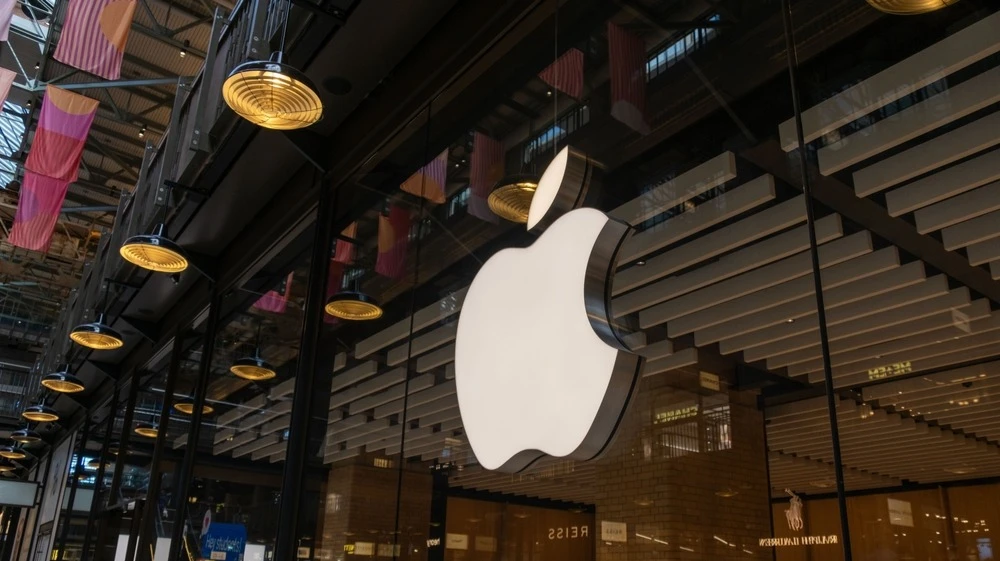
Apple stock has not been this expensive since 2008 / Photo: Kittyfly/Shutterstock.com
Apple will report results for its fiscal-2026 fourth quarter, covering July-September, after the closing bell on Monday, on the heels of a selloff in AI stocks. Tech giants Amazon, Meta, Microsoft, and Alphabet together lost around $900 billion in market value after releasing quarterly results last week. Apple stock, meanwhile, fell only around 1% on Friday, allowing the company to overtake AI chipmaker Nvidia as the world’s most valuable company.
According to LSEG data cited by Reuters, analysts expect Apple’s July-September revenue to rise around 11% year over year to $113.39 billion and net income to increase around 6% to $29.04 billion. Investors need to assess how long the market will reward Apple for sitting out the AI spending race, whether it can profit from third-party AI agents, and how many foldable iPhones it can deliver for the holidays, experts say.
Here are the key arguments and risks ahead of the report.
Defensive positioning is driving the rally. Apple has fallen well behind its competitors in AI development, yet its stock has outperformed AI leaders because investors are playing defense, UBS analyst David Vogt says. He has a “neutral” rating, citing slowing growth and a declining gross margin. “Shares are trading like a countercyclical AI investment,” he concludes, “but for how long?” Kiplinger quotes him as saying.
A lofty valuation leaves no room for error. Apple trades at 36 times earnings expected over the next 12 months, its highest valuation since 2008, Bloomberg writes. “Right now it acts as a flight to safety, but if its growth is weaker than the market anticipates, that would make people feel it isn’t as safe, and we could see the multiple get re-rated,” argues Ben Carew, cochief investment officer at Tandem Investment Advisors, which holds Apple stock.
Modest AI spending is working in Apple’s favor. Morningstar analyst William Kerwin sees strength in the company’s decision to stay out of the spending race and focus instead on incorporating AI into its products, MarketWatch writes. Apple has effectively outsourced model development to Google through its agreement to use Gemini, he says, and only needs to be “good enough in AI to defend the iPhone ecosystem.”
AI revenue could flow through the App Store. Investors want to know whether Apple can take a cut of the business generated by third-party AI agents distributed through its app store, Synovus Trust portfolio manager Daniel Morgan, whose company holds Apple stock, told Reuters. How Apple embraces AI could have major implications for the future of its services business, whose slowing growth has worried shareholders, Reuters notes.
Duo demand is outstripping supply. Apple’s first foldable iPhone, the Duo, went on sale on October 23, after the reporting quarter ended, so its sales will not be included in the fourth-quarter results. Online orders sold out within minutes. Buyers face an average delivery wait of 79 days, according to BofA estimates. IDC analyst Nabila Popal expects demand to continue exceeding supply despite reports from some buyers of cracks along the screen’s fold, Reuters reports.
John Ternus, who succeeded Tim Cook as Apple CEO on September 1, will host his first quarterly earnings call. Under his watch, the company has now unveiled its first foldable smartphone, its first smart home hub, and its first touchscreen laptops. Many questions on the call “will be about the plans for new hardware form factors and how they will feature new AI capabilities,” D.A. Davidson analyst Gil Luria wrote in an email to MarketWatch.
Analysts more cautious than the market
The combination of a high valuation and slow growth has tempered Wall Street’s enthusiasm for Apple, Bloomberg writes. At least six analysts have downgraded the stock since late July. According to the Wall Street Journal data, Apple now has 27 “buy” or “overweight” ratings, versus 33 three months ago. The average target price of $334.65 per share is 2.9% below the last close of $344.63 per share. Apple is the only Magnificent Seven stock trading above its average analyst target price, Bloomberg notes.
On Monday, Nasdaq 100 futures rose 0.8%, while Apple stock fell 0.2% in Nasdaq premarket trading. Investors nevertheless see Apple as a safe haven: the stock has gained around 27% year to date, outperforming every other member of the Magnificent Seven. But Jordan McCall, senior portfolio manager at Russell Investments, which owns Apple stock, would be “shocked” if another wave of AI enthusiasm did not help chipmakers rebound, as quoted in Bloomberg. “Risk on for AI would mean risk off for Apple,” McCall warned.