Bets Against AI and a “COVID-Related” Investment: Burry Reports on Deals Amid a Sell-Off
An investor from "Short Game" has exited some of his short positions in the AI sector and is preparing to sell a stock he has held since the pandemic

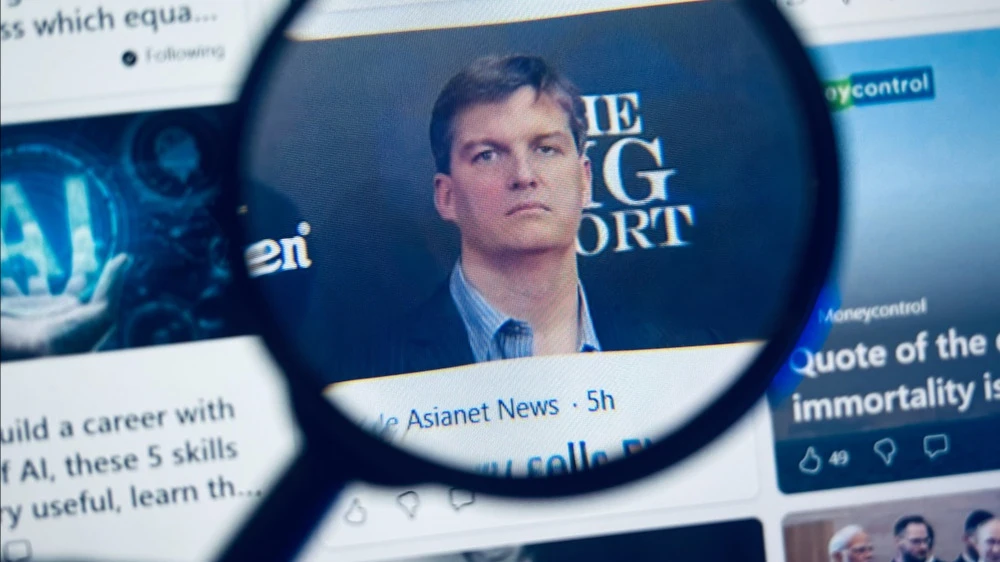
/ Photo: favoritesphoto / Shutterstock.com
Investor Michael Burry, known as the real-life inspiration for the protagonist in *The Big Short*, reported that on November 16, he completely exited his put options on shares of cloud computing giant Oracle and industrial equipment manufacturer Caterpillar. On his blog, Cassandra Unchained, Burry wrote that he closed these positions amid volatility in these stocks.
Burry began selling put options on Caterpillar in early November after the stock’s sharp rise. These options offer the opportunity to profit from a decline in the asset’s price—if the company’s stock price falls, the value of the purchased put option typically rises. Shares of Caterpillar, which has been one of the beneficiaries of the AI boom due to demand for data center generators, have lost 35% over the past three months, while Oracle shares have fallen 19%. On Monday, amid a broad market sell-off, both stocks fell by 5%.
Burry also wrote that he plans to “donate a significant portion of the Alphabet shares” he has held since the COVID-19 pandemic. “Essentially, this is the equivalent of selling shares, and this decision reflects a less optimistic assessment of Alphabet’s prospects for the next five to six years,” he wrote.
Alphabet's stock fell 4% on Monday and has dropped 17% over the past three months.
According to Burry, he continues to hold put options on the VanEck Semiconductor ETF, which tracks the largest companies in the semiconductor industry, and on the NASDAQ 100, as well as put options on shares of chipmaker Nvidia, AI developer Palantir, and insurance company MetLife.
What did Burry buy?
An investor has increased his stake in Adobe. Burry has long been buying the company’s stock for the long term—he is convinced that concerns about the impact of artificial intelligence on its business are overblown. According to Burry, Adobe is often cited as an example of a company that was caught off guard by the rapid development of AI. But he believes that Adobe is adapting successfully, and the emergence of free “AI clones” of its software from competitors only confirms the demand for its services.
“No one would bother cloning workflows that are already outdated,” writes Burry. He also noted that free alternatives to Photoshop and other Adobe programs have been around for decades, yet the company’s revenue has grown by 10% or more in each of the last four years.
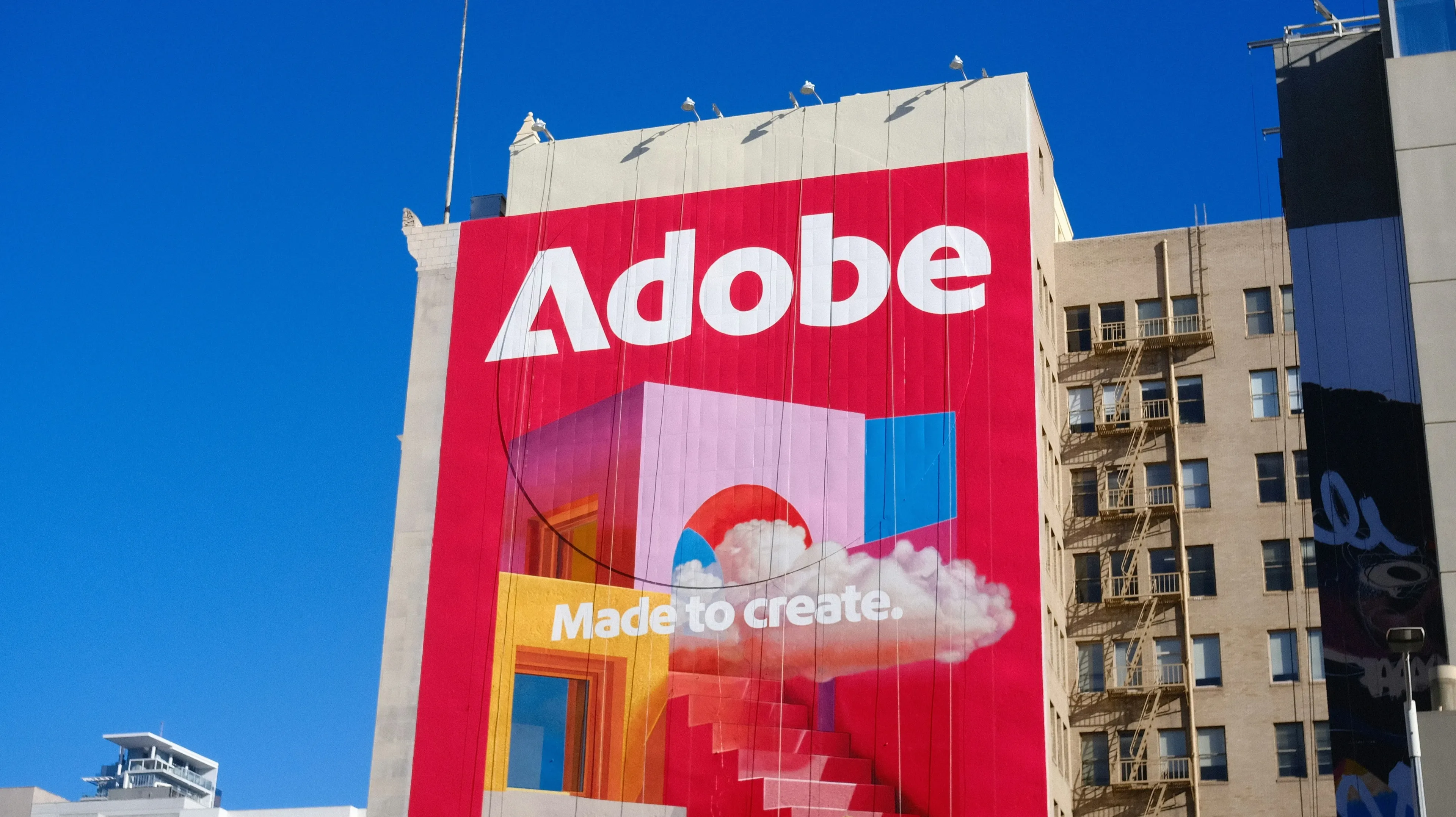
Burry cites Adobe’s main competitive advantage as the fact that the file formats it has created have become the industry standard. Its massive user base remains virtually out of reach for competitors, including open-source software developers, he told investors. In addition, corporate clients prefer Adobe because of its high level of information security, Burry pointed out.
“Clone products aren’t the main threat,” he writes. “The real risks are tied to the cost of using third-party AI models and the growth rate of new subscriptions. These metrics can be monitored, and at the moment, Adobe’s market valuation more than offsets the associated risks.”
Adobe shares rose more than 1% on Monday, despite a broad market sell-off—all three major stock market indices fell sharply, with the Nasdaq Composite losing 2.5%. However, they have fallen nearly 30% since the beginning of the year.
Burry also purchased additional shares in QXO, a company specializing in the distribution of building materials and technologies for the construction industry, and in the athletic apparel retailer Lululemon.

This article was AI-translated and verified by a human editor