Bloomberg: SpaceX Is Eyeing Two Companies. Is It Time to Buy Their Stock?
Shares of Anterix and NextNav surged following a Bloomberg report about SpaceX's interest in their spectrum

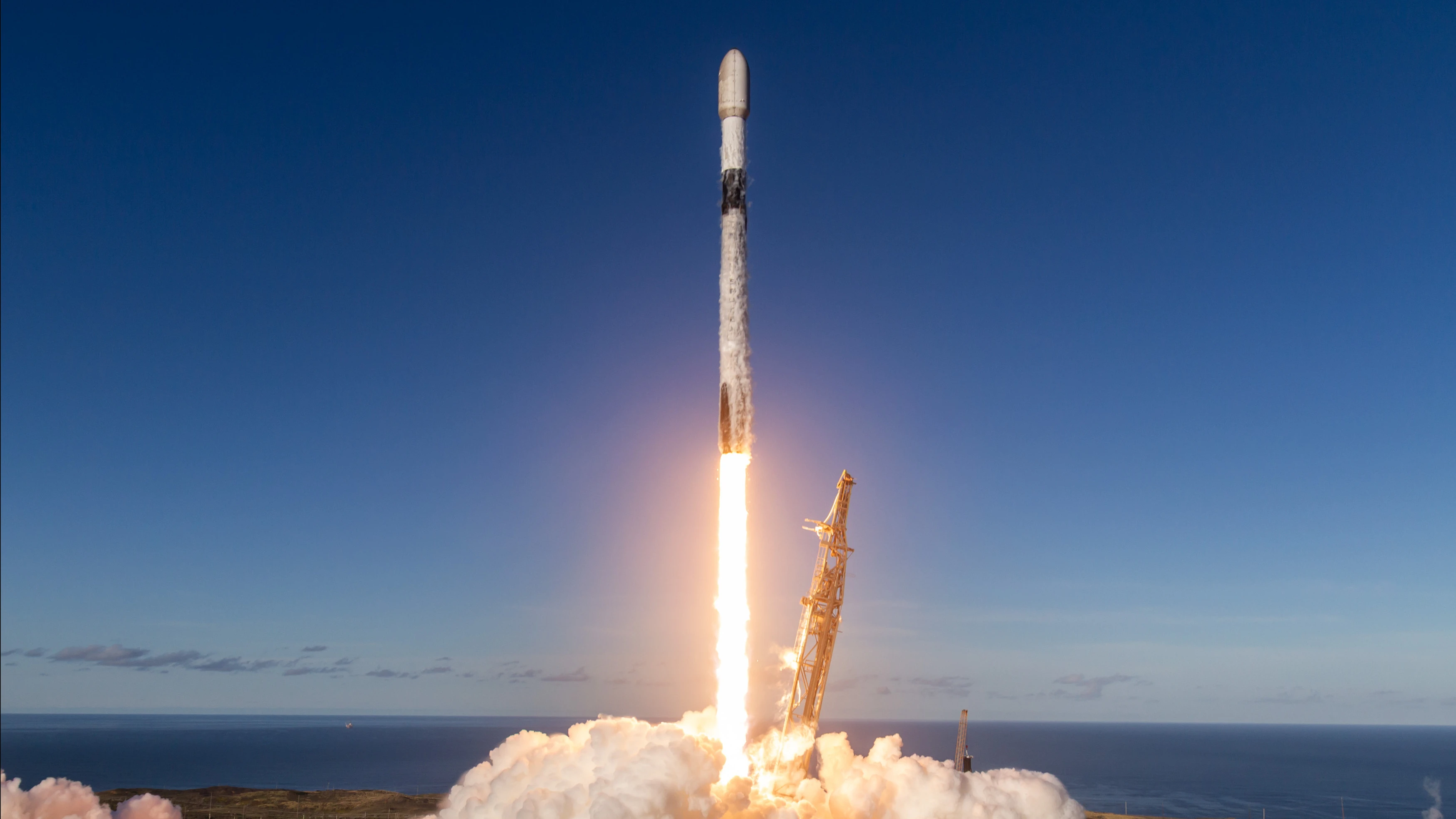
SpaceX will need 900 MHz of spectrum to build a ground-based communications network / Photo: X / SpaceX
Shares of the small U.S. companies Anterix and NextNav jumped 10.6% and 14.5%, respectively, during trading on Friday, November 27, following a Bloomberg report. The agency reported that SpaceX may be interested in acquiring the radio frequencies owned by these companies. Anterix provides frequencies for the creation of wireless networks for energy companies and satellite communications, while NextNav develops geolocation and navigation technologies. Both hold licenses to use scarce low-frequency spectrum, which SpaceX may need to build its own mobile network, Starlink Mobile.
What Makes Anterix Interesting
When asked by Bloomberg about possible interest from SpaceX, Anterix Director of Corporate Development Chris Guttman-McCabe replied, “You can assume that we are in talks with everyone we need to be.” He added that this includes anyone who can help increase the company’s shareholder value.
Anterix is the largest holder of 900 MHz radio frequency licenses in the U.S., the agency explains. The company currently partners with several energy companies that use only 15% of the spectrum it owns. The remaining 85% could be the subject of new deals. According to Guttman-McCabe, the value of Anterix’s remaining spectrum could potentially triple if the company finds a suitable buyer. Previously, it sold individual regional frequency blocks or leased them for long-term use. Now, however, the entire remaining portfolio could be sold to a single buyer as part of a single deal, according to Bloomberg.
These frequencies are particularly attractive for satellite communications: the signal can travel long distances and penetrates walls and other obstacles better than signals at higher frequencies. In February, the U.S. Federal Communications Commission granted Anterix approval to use wider channels in the 900 MHz band. In August, SpaceX urged the regulator to authorize satellite communications in the same band, Bloomberg reports.
What Makes NextNav Interesting
The agency named NextNav as another potential seller of radio frequencies to SpaceX. This company develops geolocation and navigation systems using its own frequencies in the lower part of the 900 MHz band. SpaceX has already asked the regulator to consider the possibility of using NextNav’s frequencies for direct satellite communication with smartphones, according to Bloomberg.
Should I buy stocks?
"They definitely need frequencies in this band," Clear Street analyst Greg Pendy told Bloomberg, referring to SpaceX. "They're clearly promoting the NextNav proposal, but Anterix also obviously meets their requirements."
Anterix's stock price has more than tripled since the beginning of 2026. However, some analysts believe the company remains undervalued, the agency reports. Its market capitalization stands at about $1.5 billion, with revenue of just $7.4 million for the 12 months ending in September. This significant discrepancy stems from the fact that investors view Anterix primarily as the owner of a scarce radio frequency resource that could be sold for significantly more than the company’s traditional business model suggests, the agency explains.
"The stock has already risen significantly, but the company is still undervalued," says Clear Street analyst Greg Pendy.
David Barden, an analyst at New Street Research, initially called this asset a “gamble” that was eventually “nurtured and refined,” adding that it “definitely deserves the attention of investors hungry for market diversification,” according to Bloomberg.
On November 12, B. Riley Securities analyst Mike Crawford upgraded his recommendation on Anterix shares from “neutral” to “buy,” while raising the price target from $86 to $103. This is 23% higher than the closing price on November 27. The analyst pointed to intense competition for scarce radio frequency spectrum, which is of interest to global satellite operators.
Among the risks of such an investment is the possibility that the regulator will not grant Anterix’s spectrum satellite status, which would limit its usefulness for direct communication with satellites, as well as the need for labor-intensive engineering work to widen narrow local frequency bands to accommodate broader channels, Bloomberg warns. In addition, SpaceX may opt for NextNav frequencies.
According to MarketWatch, three analysts are covering Anterix stock, and all of them recommend buying it. The average price target is 53% higher than the closing price on November 27.
Wall Street also sees significant growth potential in NextNav. All three analysts covering the stock recommend increasing positions in it, and the average price target is 255% higher than the current share price.
There are also regulatory risks: NextNav’s proposal to reallocate the lower 900 MHz band has faced objections from industry associations, which fear interference with existing spectrum users, the company reported in its third-quarter earnings report.
Context
Elon Musk’s SpaceX aims to transform the Starlink Mobile satellite service into a full-fledged mobile carrier capable of competing with the “big three”—AT&T, Verizon, and T-Mobile. To do this, the company needs to integrate its satellite infrastructure with terrestrial networks, ensuring seamless coverage in both urban areas and remote regions.
It has already spent a significant amount of money on acquiring spectrum. In September 2025, SpaceX struck a deal with EchoStar worth about $17 billion, and in October 2026, it agreed to purchase low-frequency spectrum from the investment firm Grain Management for approximately $8 billion.
SpaceX is also considering the possibility of using existing ground infrastructure. According to Bloomberg, the company has been exploring options for gaining access to approximately 80,000 cell sites in the U.S. In early November, The Washington Post reported that Elon Musk was in talks with EchoStar regarding the purchase of the operator Boost Mobile or gaining access to its network.