Boeing closer to approval of new 737 MAX 10 after software glitch deemed no concern

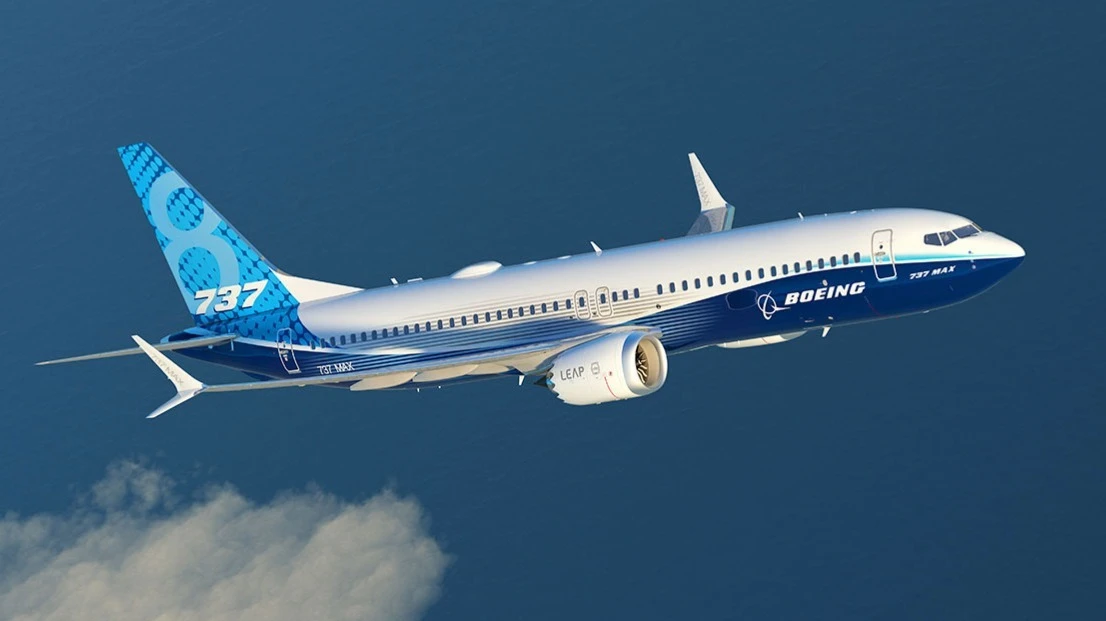
Regulators said that a software glitch in some Boeing 737 MAX flight computers poses no safety concern / Photo: Boeing
U.S. aviation regulators have found that a software glitch in some Boeing 737 MAX flight computers poses no safety risk. The decision removes an obstacle to certification of the MAX 10, the long-awaited and largest member of the 737 family.
Details
The Federal Aviation Administration (FAA) has concluded that a software problem that could prevent pilots from accessing automated navigation during a landing approach does not pose a safety risk. “Pilots retain full control of the aircraft and the indications to the flight crew are clear and unambiguous,” Reuters quoted the regulator as saying. An FAA official said Boeing would provide airlines with instructions on how to recognize and respond to the problem.
Jefferies believes the decision will allow the MAX 10 to be certified before the end of the year. The model, which the market has been awaiting for years, was in the final stages of certification before the FAA launched its review.
Software problem
The glitch emerged from a routine cockpit software update, which Boeing notified airlines about in August, the Wall Street Journal reported. The problem can occur after a missed approach, when the flight crew alters a previously programmed flight path. In certain circumstances, pilots may lose access to the automated vertical navigation function and have to fly manually without some autopilot functions.
Industry officials were concerned that the steps pilots would have to take in such a situation could overwork them – especially at low altitude, when they are already busy and may also be dealing with conditions such as bad weather, the Journal wrote.
In addition to the MAX 10, the flawed software version is installed on the smaller 737 MAX 7, which has already been certified.
Significance of the MAX 10
The aircraft is the largest member of the 737 MAX family, the latest generation of Boeing’s bestselling passenger jet. It is one of the models on which the company is pinning its hopes as it seeks to boost cash flow and strengthen its balance sheet after several tumultuous years. Boeing has more than 1,500 orders for the MAX 10.
Major U.S. carriers Southwest and United told Boeing that they did not want to receive new aircraft with the flawed software and requested an earlier version instead, the Journal reported. American Airlines and Alaska Airlines also said they were not operating aircraft with that version of the software.
Meanwhile, discount carrier Allegiant Air continues to operate 21 737 MAX 7 aircraft with the flawed software. The glitch does not apply to the landing approaches it flies, while “Boeing has provided operators with procedures for crews to manage the situation should it arise, and our flight crews are trained and equipped to follow those procedures,” the Journal quoted the airline as saying.