Boeing has identified a new malfunction in the 737 MAX. It could cause problems during landing
The aircraft manufacturing group first learned of the problem from one of the airlines back in 2024

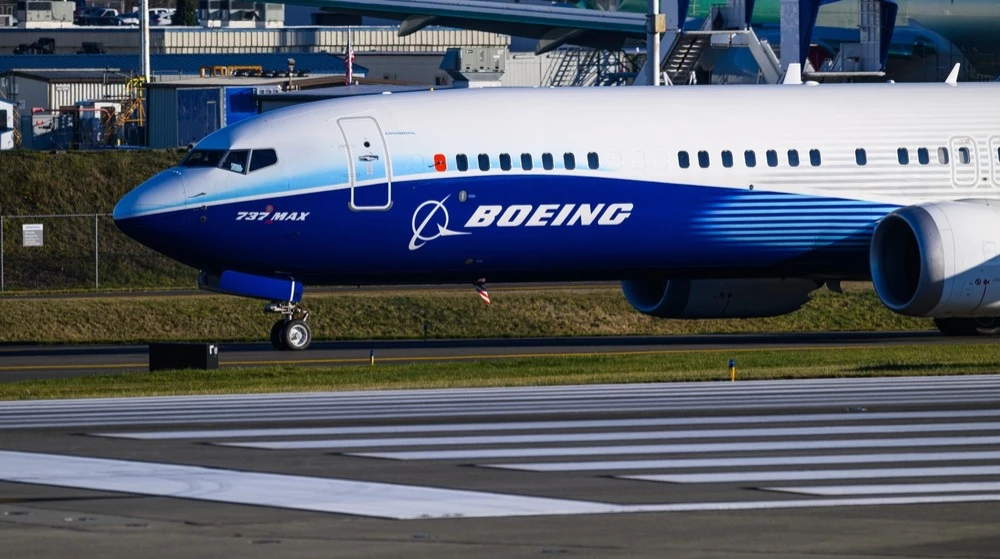
Photo: Ian Dewar Photography / Shutterstock.com
Boeing has identified a software glitch in its 737 MAX aircraft that could cause the automatic navigation system to fail under certain approach scenarios, The Wall Street Journal reported. According to the publication, Boeing first learned of the problem back in 2024 but did not begin a formal investigation until September. The issue had not been previously disclosed publicly.
The 737 MAX is the latest version of Boeing's best-selling passenger jet. Operations of this model were suspended for nearly two years following two crashes.
Details
The malfunction can occur when the crew changes the planned flight path after entering a go-around, according to the WSJ. In a certain scenario, the malfunction could force pilots to fly the aircraft manually without some autopilot functions. This could place an excessive burden on pilots, who are already under considerable strain at low altitudes and may be facing conditions such as bad weather, several industry sources told the publication.
Boeing notified airlines of the issue in late August, according to a company notice reviewed by the newspaper. The notice states that the malfunction does not pose a safety risk. According to the WSJ, the glitch occurred after a cockpit software update, and Boeing has informed customers that they can revert to an older version of the software.
Boeing told the publication that it is working on a software update that will fix the glitch. For now, the company is working with airlines to develop a procedure that will allow pilots to re-engage the autopilot if necessary in the event of a failure.
Boeing learned of the problem from one of the airlines as early as November 2024, according to the WSJ. At that time, the nature of the malfunction did not meet the aircraft manufacturer’s criteria for launching a formal safety investigation. Boeing began such an investigation in September after receiving additional information from the airlines. In a notice sent out in August, the company stated that it expected to issue additional instructions by November and a permanent software solution in early 2028. The manufacturer is now trying to accelerate both timelines.
The Federal Aviation Administration (FAA) is looking into the issue and will take action if necessary, a senior source at the agency told the WSJ.
Why is this dangerous?
The publication notes that industry opinions on the 737 MAX malfunction are divided. According to its sources, U.S. airlines Southwest and United have informed Boeing that they do not want to receive new 737 MAX aircraft with the problematic software version and have requested aircraft with an earlier version. For its part, Canada’s WestJet stated that it does not consider the potential malfunction to be a safety issue and has standard procedures and training in place for such cases.
The exact number of 737 MAX aircraft currently in service with the problematic software is still unknown: airlines are not required to report software updates to Boeing, according to the WSJ. According to data from the analytics firm Cirium, there are 2,422 Boeing 737 MAX 8 and 9 aircraft in operation worldwide.
Context
Investors are very sensitive to news about problems with the 737 MAX, according to Barron’s. In 2018 and 2019, a software glitch in the MCAS flight control system caused two crashes that killed 346 people. The aircraft was grounded worldwide for nearly two years while Boeing worked to resolve the issue.
In 2024, a few months after the incident involving an Alaska Air Boeing 737 MAX, in which an emergency door plug fell off during flight, Kelly Ortberg became Boeing’s CEO. Under Ortberg’s leadership, Boeing has made steady progress in improving the production and certification of new aircraft models. Following the door plug incident, the FAA authorized Boeing to produce 38 MAX aircraft per month in 2024. The company is now authorized to produce 47 aircraft per month. Furthermore, in August, the FAA certified a shorter version of the MAX for commercial service. Boeing is still awaiting approval for the longest version of the 737 MAX for commercial service.
In addition to the problems with the MAX, Boeing has faced a series of challenges in recent years, including the pandemic, engine supply constraints, employee protests, and high oil prices. Before the second MAX crash in March 2019, Boeing’s stock was trading at over $440. On September 25, the stock was trading at less than $200.
This article was AI-translated and verified by a human editor