"A Golden Opportunity": Who Came Out Ahead on the Day Stocks Plummeted Following Huang's Resignation

/ Photo: ViStock / Shutterstock.com
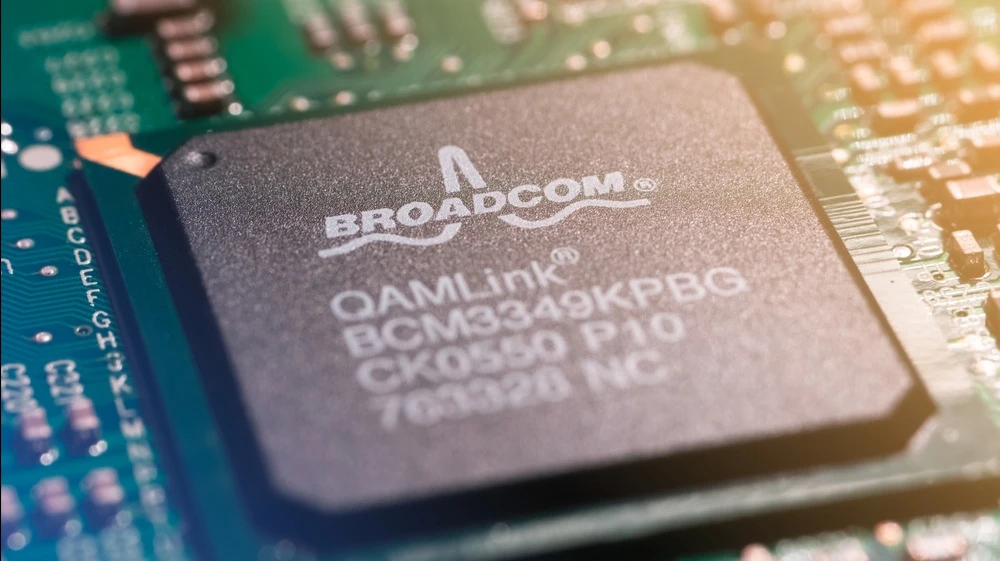
The sell-off in Nvidia shares following Jensen Huang’s resignation on November 12 led to a rise in the stock prices of its competitors: Shares of Advanced Micro Devices and Broadcom jumped by more than 5.5%, making the companies the top performers in the S&P 500 at the close of trading.
At the same time, the broad market index itself, like other leading benchmarks, was unable to stay in positive territory. The S&P showed high volatility throughout the session and closed down 0.35%, while the Dow Jones blue-chip index lost about the same amount. The Nasdaq Composite, the tech sector index, fell slightly more—by 0.4%.
The so-called “Wall Street fear gauge,” also known as the CBOE Volatility Index (VIX), jumped more than 7% over the course of the day but remained below the psychologically important 20-point mark, beyond which investors begin to feel heightened anxiety.
Nvidia’s stock fell 4.5%: by the end of the day, selling pressure had eased somewhat, whereas at the day’s low, the stock had plummeted 16%, and the company’s market capitalization had shrunk by $600 billion. Nvidia’s stock was supported by retail investors, notes The Wall Street Journal. In just the first 30 minutes of trading, they purchased $111 million worth of the chipmaker’s shares. According to Vanda Research, an analytics firm that tracks market cash flows, this is a record volume for the company.
Shares of hyperscalers such as Alphabet, a major customer of Nvidia chips, rose nearly 2%.
“This is a golden opportunity for Amazon, Google, AMD, Broadcom, OpenAI, and Anthropic, which are hiring chip experts to develop their own microchips,” Jed Ellerbrook, portfolio manager at Argent Capital Management, told CNBC. “Nvidia’s fate as a standalone company is one thing, but the current AI revolution is much larger in scale. If Nvidia loses its edge and its chips are no longer the best—and are surpassed by chips from AMD or Google—buyers will switch to them. Demand isn’t slowing down.”
This news story is being updated.
This article was AI-translated and verified by a human editor