'Capitulation of those holding on': Hertz stock has worst day ever

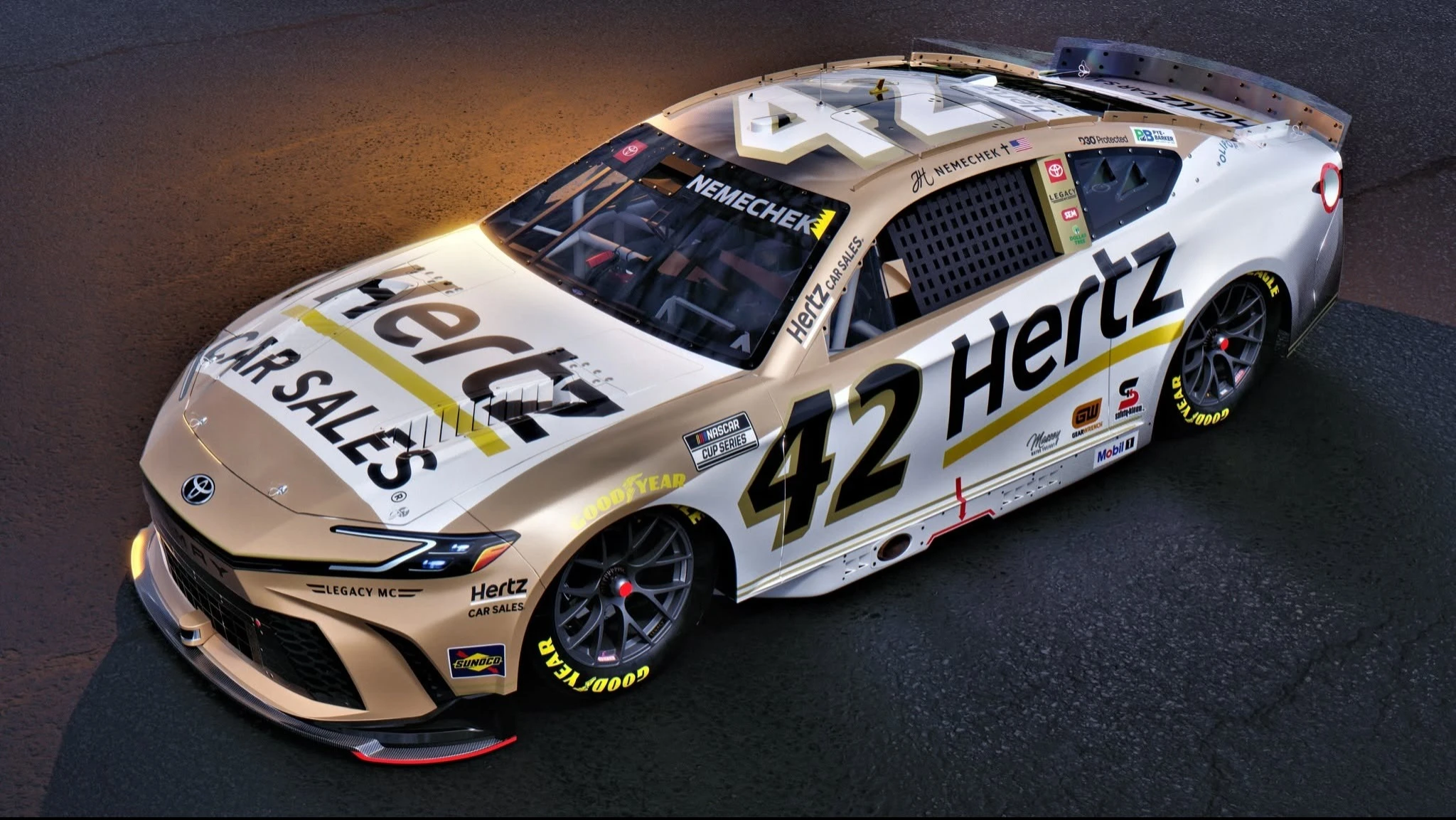
Hertz warned that profits will be hit by "unexpected softness in the used car market" that will raise its depreciation costs / Photo: Facebook / Hertz
Shares of Hertz, one of the world's largest car-rental companies, plunged almost 41% on Wednesday in their steepest one-day decline on record. The company warned of "unexpected softness in the used car market" and simultaneously unveiled a capital-raising plan that Bloomberg described as unusual and a Nationwide strategist called a sign of "capitulation of those that had been holding on."
Details
Hertz shares tumbled almost 41% on the Nasdaq on Wednesday to $3.00 per share. It was the largest single-day decline in the company's public history, notes Barron's. In premarket trading on Thursday, the stock continued to edge lower.
The company said preliminary results indicate that adjusted corporate EBITDA in the second quarter will come in at $50-80 million, toward the lower end of its expected range. Hertz attributed the shortfall to weakness in the used-car market, even though it had previously expected gains from vehicle sales. The trend increased depreciation expenses, the company said in regulatory filings.
The situation was compounded by Hertz's announcement that it planned to issue $100 million of stock and $300 million of payment-in-kind notes, Barron's reports. Under the structure, the company will loan shares to underwriter JPMorgan Securities so investors can establish short positions to hedge purchases of the notes. Hertz will receive no proceeds from the stock offering itself, only a nominal lending fee for the shares. Proceeds from the notes will be used, among other things, to repay debt. As of March 31, Hertz had total debt of $18.2 billion and first-quarter revenue of $2 billion.
Implications for the company
Hertz is taking an unusual approach to issuing debt, Bloomberg noted. "It is a sign that they see the need to do something drastic," Mark Hackett, chief market strategist at Nationwide, told Bloomberg. "This has been a fragile story for some time, and today may signal capitulation of those that had been holding on."
The new financing is expected to significantly dilute existing shareholders, according to Matt Maley, chief market strategist at Miller Tabak + Co. To raise $100 million, the company would need to sell more than 25 million shares, equal to roughly 21% of its public float, Maley estimated. The eventual offering proved even larger: on Thursday, Hertz said it would sell 37 million shares at $2.70 per share, 10% below the previous closing price, and increased the size of its notes offering to $350 million.
Context
In 2020, at the height of the coronavirus pandemic, Hertz filed for Chapter 11 bankruptcy protection, which allows companies to reorganize rather than liquidate. Just months later, the company's shares surged almost 900% as traders piled into penny stocks through the popular Robinhood trading app, Bloomberg reported in 2021.
"Finance professionals reacted with a mix of confusion and scorn. Stockholders routinely get wiped out in bankruptcies, so who would put money into a stock like that?" the Wall Street Journal wrote at the time. The WSJ called Hertz "the original meme stock."
The company ultimately emerged from bankruptcy after a court approved a deal in 2021 that transferred control to institutional investors.
Since then, Hertz has been trying to rebuild its business through new services and partnerships. In 2025, the company refreshed its fleet and expanded efforts to sell older vehicles through Hertz Car Sales. In 2026, it announced a partnership with Uber, helping drive a sharp rally in the stock.
Wall Street remains cautious on the stock. Of the analysts covering Hertz, six rate the shares a "hold," three recommend "sell," and only one has a "buy" rating. The average target price stands at $4.60 per share, implying 53% upside from Wednesday's closing price.