Biotech firm Sionna unexpectedly failed its drug trials and lost 90% of its value in a single day

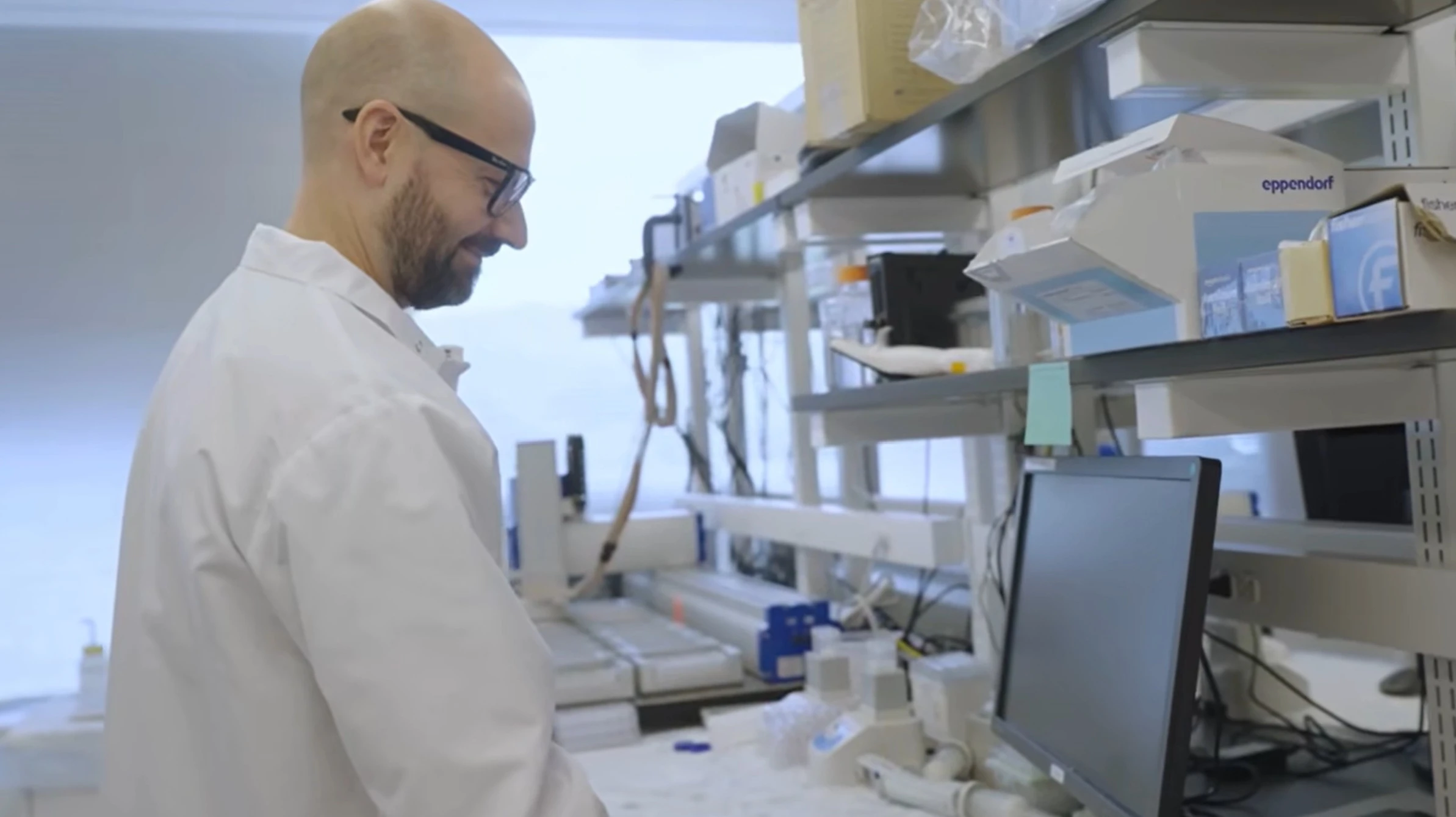
Sionna's stock plummeted after the failure of trials for a cystic fibrosis drug / Photo: LinkedIn/Sionna Therapeutics
Shares of biotech company Sionna Therapeutics, which was spun off from pharmaceutical giant Sanofi in 2019, plummeted by more than 90% on the Nasdaq on August 10. The company reported what it described as an unexpected failure of an experimental drug for cystic fibrosis, a genetic lung disease.
Details
Sionna's stock plummeted 91.2% on the Nasdaq on Monday, August 10, to $4.50. This marks an all-time low since the stock began trading on the exchange. In premarket trading on August 11, the stock rose by about 0.2%.
Investors reacted to the company’s announcement that trials of its experimental drug SION-719 for cystic fibrosis —a genetic disorder that causes the body’s mucus, sweat, digestive juices—become very thick. This impairs the functioning of the lungs, bronchi, and intestines.
Sionna developed SION-719 as an adjunct to Vertex Pharmaceuticals’ Trikafta, the standard of care for cystic fibrosis. However, results from the second, mid-stage clinical trial showed that adding the experimental drug to standard therapy did not lead to a significant reduction in sweat chloride levels—a key indicator of treatment success.
Sionna is “disappointed by the unexpected results,” said its CEO Mike Clunan (his comments are quoted in the press release). Based on these data, the company has decided to discontinue further development of SION-719 as an adjunct to Trikafta, the statement said.
What does this mean for the company?
Sionna was founded in 2019 following a spin-off from pharmaceutical giant Sanofi—specifically to develop treatments for cystic fibrosis. What sets the company apart from many biotech firms is that it has several potential drug candidates in its portfolio, meaning that the failure of SION-719 is not a death knell, notes Barron’s.
Nevertheless, this setback is forcing Sionna to carefully plan its financial resources, the publication reports. As of the end of the second quarter, the company had approximately $268.3 million in cash and cash equivalents, and it intends to “take steps to preserve capital,” according to a press release.
Barron's believes that Sionna's future outlook is rather uncertain. RBC Capital, an investment bank whose opinion is cited by the publication, believes that all investor expectations are already factored into the company's stock price.
According to MarketWatch, the company’s securities have a total of nine “Hold” ratings from Wall Street analysts and two “Buy” ratings. Three months ago, the situation was different: nine analysts recommended buying Sionna stock, one advised holding, and one recommended selling. The average price target is now $33.86, which is 7.5 times higher than the most recent closing price.
What does this result mean for the market?
Sionna’s setback is good news for Vertex, according to Barron’s. Just a few years ago, the pharmaceutical company was competing with industry giant AbbVie to develop a treatment for cystic fibrosis, but AbbVie’s drug failed. As a result of these two developments, Vertex has a “clear path to generating significant free cash flow” over the next decade and a half, according to analysts at William Blair, whose views are cited by Barron’s.
Vertex's stock price jumped 5.6% during trading on August 10 and gained another 2% or so in premarket trading on August 11.