China has warned the U.S. that it will retaliate if sanctions are imposed over Iran. What is at stake?
Tensions are mounting ahead of the meeting between the leaders of the two countries in Washington this September

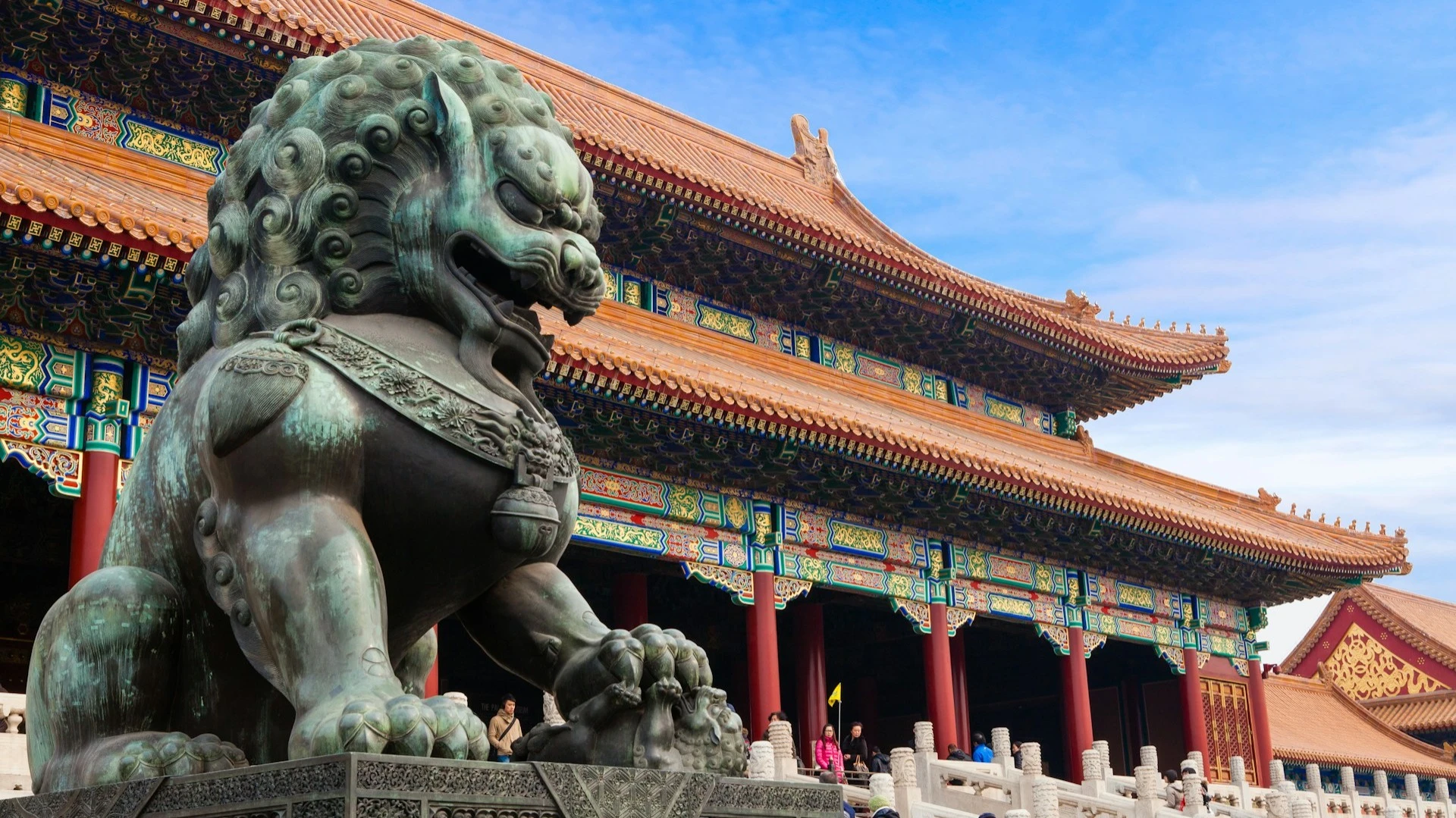
China has warned the U.S. of retaliatory measures in the event of secondary sanctions related to Iran / Photo: Unsplash/Rafik Wahba
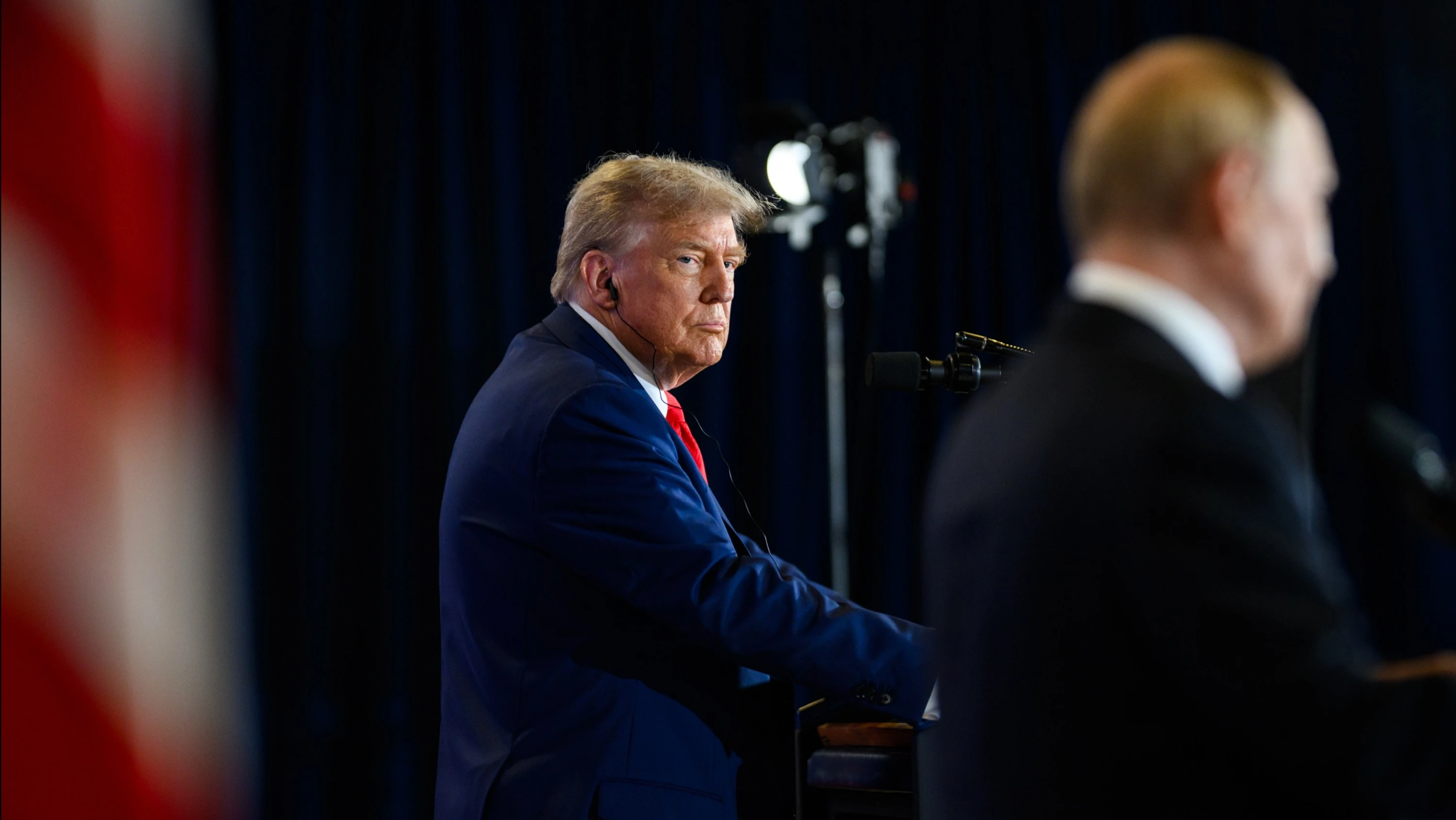
Beijing has warned the U.S. that it will take retaliatory measures if Chinese companies are targeted by new sanctions from the Donald Trump administration due to their ties to Iran. “China will take all necessary measures to resolutely defend its rights and interests,” the Financial Times quoted a spokesperson for the Chinese Foreign Ministry as saying.
What is China's position?
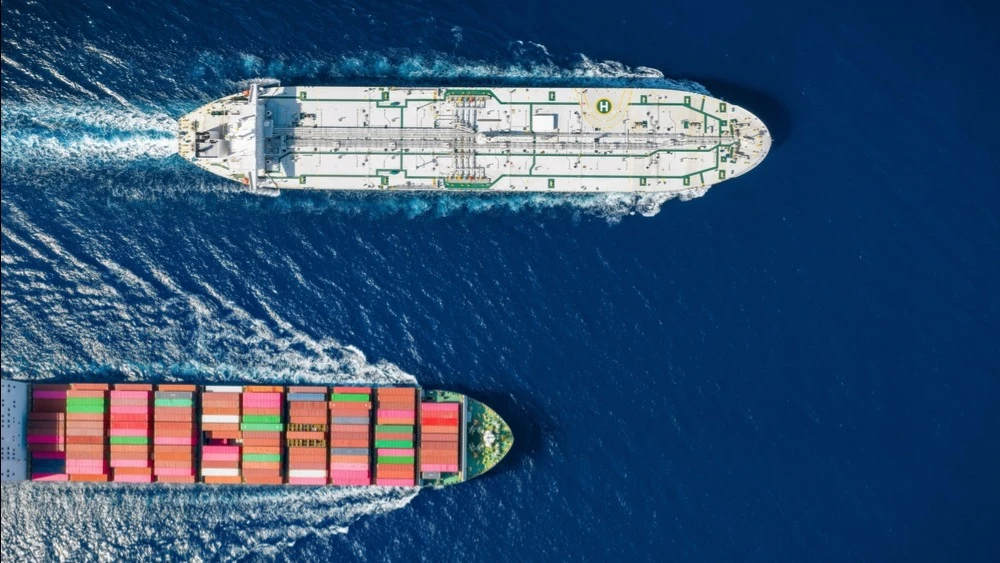
Beijing’s reaction underscores the risk of a new clash between the two superpowers amid Trump’s efforts to exert economic pressure on Iran in order to reach a peace agreement, Bloomberg reports. China is the largest buyer of Iranian oil, although shipments have declined due to the U.S. naval blockade of Iran.
Chinese President Xi Jinping is in no hurry to help Trump end the conflict: a war with Iran would divert U.S. forces from Asia and give Beijing more leverage ahead of next month’s meeting between the two countries’ leaders, Bloomberg notes. “China wants the conflict to remain localized, but it has little reason to help Trump end it without getting something in return,” said Jesse Marks, founder of Rihla Research & Advisory and a former U.S. government adviser on Middle East policy (quoted by Bloomberg).
On the other hand, Beijing is suffering from restrictions on shipping in the Strait of Hormuz, says Zhu Feng, an expert on international relations at Nanjing University, as quoted by the FT. In addition to Iran, China also buys oil from other Gulf countries, whose oil exports are also severely restricted due to the closure of the strait. And the longer this continues, the greater the risks for Beijing, Feng adds.
What Can the U.S. Achieve?
Trump is limited in his ability to impose tougher sanctions on China: Beijing dominates the global supply chain for rare earth metals, which are essential for manufacturing in many sectors—from cell phones to missiles, according to Bloomberg. Last year, Xi Jinping already used this tool to halt Trump’s large-scale tariff war. Since then, rare earth metals have remained an effective means of keeping relations between the two countries within certain bounds, the publication notes.
"Washington likely realizes that China will not comply with U.S. demands regarding Iran, but hopes to secure at least some concessions from Beijing," said John Gong, a professor at Peking University’s School of International Business and Economics, as quoted by Bloomberg.
Beijing is unlikely to sever ties with Tehran under U.S. pressure, but it may agree to further reduce its purchases of Iranian oil or decide to keep the proceeds from such deals in accounts at Chinese banks, according to Marks of Rihla Research & Advisory. Another option could be a pledge by Beijing to tighten controls on shipments of Chinese-made dual-use components that could end up in Iranian military programs, Bloomberg reports.
China has reason to believe that the U.S. is overwhelmed by turmoil in the bond market, domestic political concerns about the cost of living, and a new trade dispute with Canada, suggested Derek Sizers, a researcher at the American Enterprise Institute.
“We need to wait and see whether this is just a bluff or whether [the U.S.] is seriously considering imposing secondary sanctions against China,” the FT quoted Wang Dong, a senior research fellow at Peking University, as saying.
This article was AI-translated and verified by a human editor