The price of Brent crude has fallen below $90 per barrel. Why aren't the market worried about threats from the U.S. and Iran?

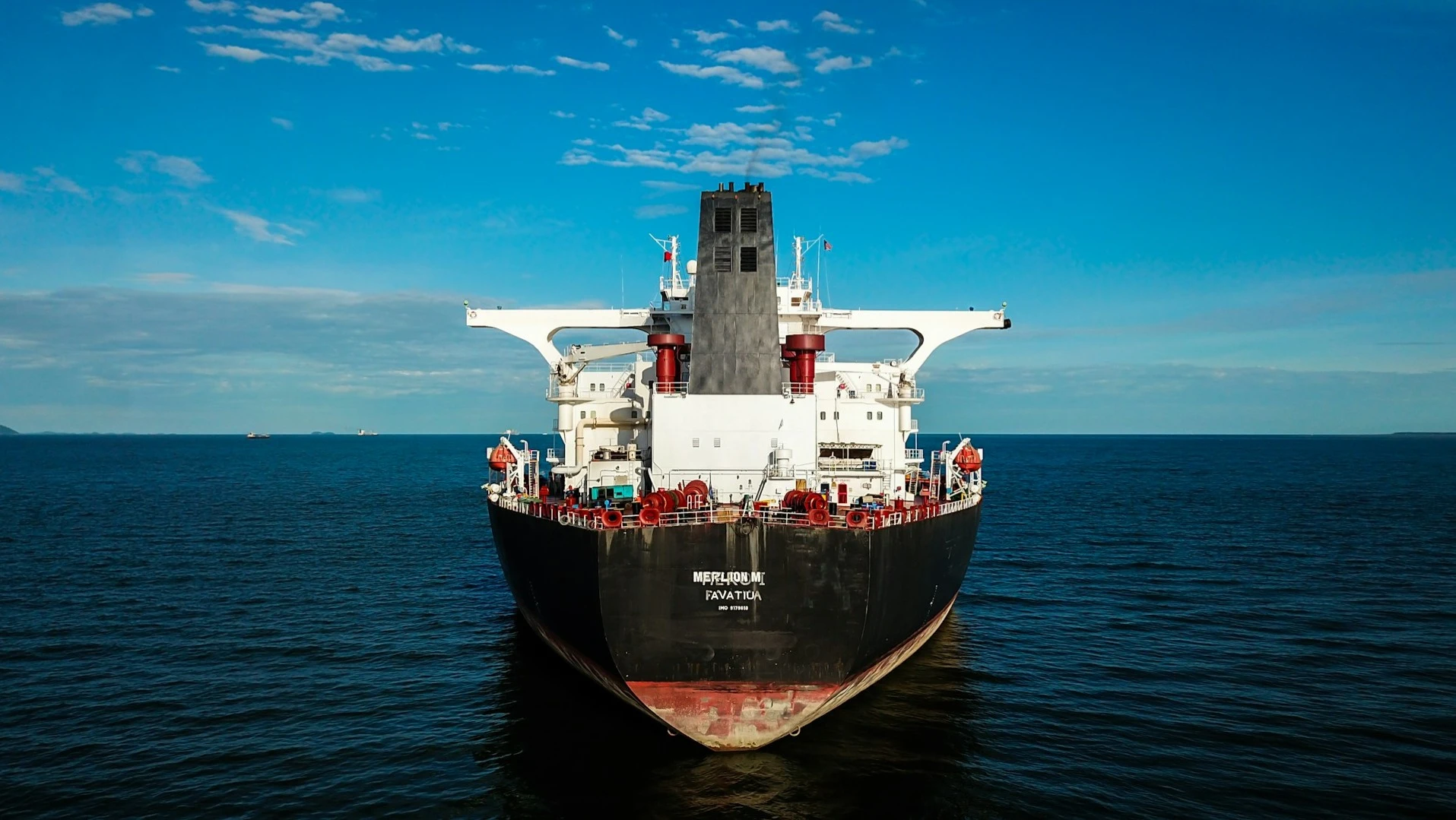
Oil Prices Fall Despite Mutual Threats from Washington and Tehran / Photo: Unsplash/Fredrick F.
The price of Brent crude oil futures fell below $90 per barrel during trading on August 25. This was the first time this had happened in more than a week. At its low on Tuesday, the price of crude oil fell 2.7% to $89.64 per barrel. U.S. WTI crude oil lost 3% of its value, dropping to $82.36.
Oil prices are falling despite the escalation of hostile rhetoric between the U.S. and Iran, which, however, have so far refrained from resuming full-scale hostilities. Traders view economic pressure on Tehran as a lesser risk to oil supplies than an escalation of the war, according to Reuters.
What Happened
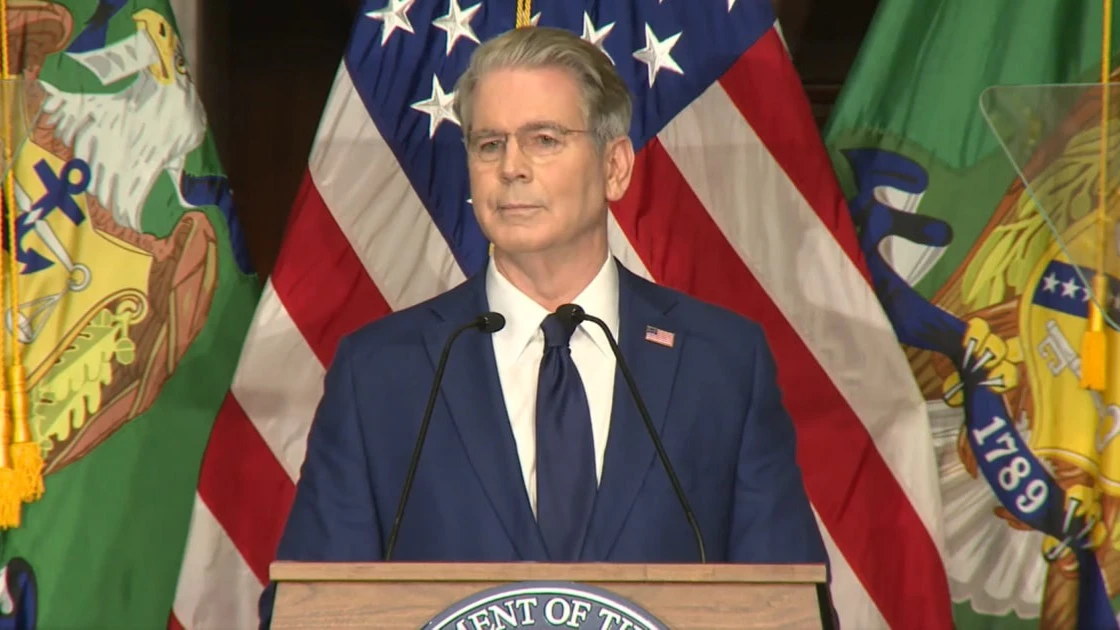
U.S. Treasury Secretary Scott Bessent announced on Monday, August 24, announced the launch of an “unprecedented” campaign to isolate Iran from the global economy, warning that any country that continues to do business with the Islamic Republic risks facing sanctions.
Iran has vowed to respond if the U.S. does indeed expand sanctions, Reuters reports. “Our defense is no longer purely defensive; our enemies should expect an attack,” Iranian Economy Minister Ali Madanizadeh said, according to the agency’s report. According to the minister, neither China nor Russia is taking action against the U.S., Reuters reports.
What does that mean?
The announcement of U.S. sanctions on Monday turned out to be less severe than the market had feared, said Ole Hansen, head of natural resources strategy at Saxo Bank, as quoted by Reuters. The shift from an escalation of armed conflict to economic pressure in the U.S. and Israel’s war against Iran has, to some extent, eased market anxiety, Hansen believes.

Analysts say Washington fears retaliatory measures from China in the event of any U.S. sanctions against Chinese banks, particularly restrictions on the export of key minerals, according to Reuters. For several years, China was the largest buyer of Iranian oil, although the U.S. naval blockade disrupted those flows.
"Iran retains the ability to respond by [further] disrupting supplies, which maintains a residual premium in oil prices," said Tim Waterer, senior market analyst at KCM (asquoted by Reuters).
This article was AI-translated and verified by a human editor