The U.S. Is Aiming to Isolate Iran Trade-Wise: Which Countries Might Be Affected?

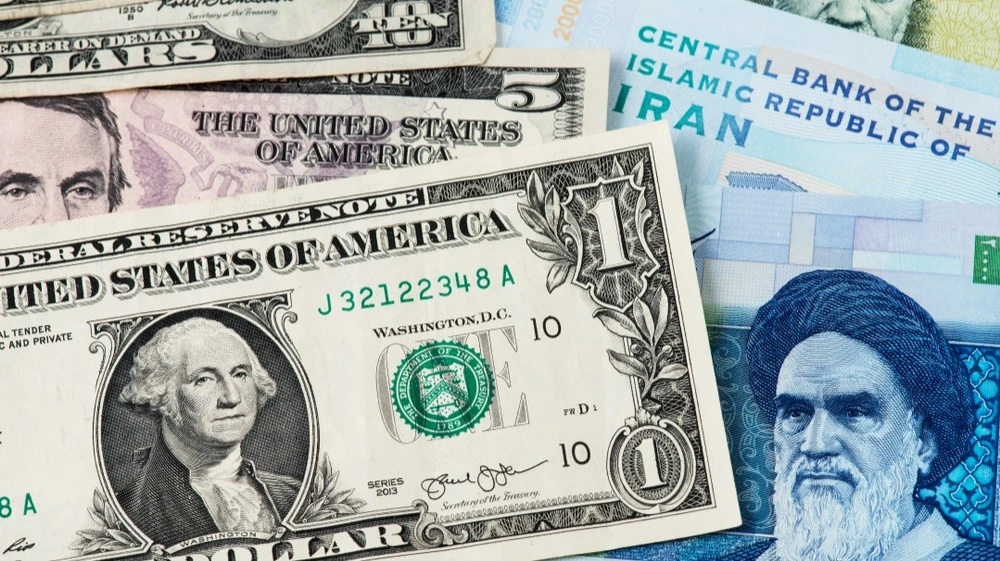
A Blow to Iran's Trade: Which of Tehran's Partners Are at Risk of U.S. Sanctions? / Photo: Mc_Cloud / Shutterstock
On Monday, August 24, the U.S. announced the launch of an “unprecedented” campaign to isolate Iran from the global economy. Washington also threatened to impose sanctions on third countries that continue to do business with Tehran. According to World Trade Organization statistics for 2024, the Islamic Republic’s leading trading partners were China, the UAE, Turkey, Iraq, the European Union, India, Pakistan, Russia, and Oman.
Although the specific mechanisms for implementing the U.S. campaign have not been disclosed, and the third countries that may be subject to sanctions have not been named, according to CNBC, the following are at the greatest risk in this regard:
China
China is the largest buyer of Iranian oil and serves as Tehran’s most important link to the global economy. Beijing—one month before the scheduled meeting in Washington between U.S. President Donald Trump and Chinese President Xi Jinping — had already warned that it might take retaliatory measures if Chinese companies were included in any significant expansion of Washington’s new secondary sanctions against Tehran, the Financial Times reports, citing a Chinese Foreign Ministry spokesperson.
China accounts for approximately 90% of Iran's oil exports. According to the U.S.-China Economic and Security Review Commission, bilateral trade between China and Iran totaled $9.96 billion in 2025. However, this figure does not include unreported exports of Iranian crude oil to China during the same period, which totaled about $31.2 billion, according to CNBC.
According to Kpler, the bulk of the crude is purchased by independent Chinese refineries. The crude is often declared as Malaysian or Indonesian oil, and payments are made through intermediaries to bypass the dollar system, the TV channel explains. The U.S. Department of the Treasury imposed sanctions this year on several such refineries for purchasing Iranian oil, while refraining from imposing restrictions on Chinese financial institutions.
Most likely, now that the U.S. has announced its readiness to impose sanctions on third countries for cooperating with Iran, Beijing will “quietly step up compliance with [restrictive] measures” by state-owned banks and oil companies to avoid a U.S. backlash due to the “discrepancy between official statements and on-the-ground practices,” according to Dan Wang, China director at Eurasia Group. “Chinese authorities are more concerned about access to dollar-denominated financing and access to the U.S. market,” she says.
United Arab Emirates
The Emirates, located just 80 km from Iran across the Persian Gulf, have long been a key trade hub for Tehran, CNBC notes. According to WTO data, bilateral trade in 2024 totaled about $28 billion, with the Emirates serving as Iran’s largest source of imports—accounting for more than 30% of the total— — and was also Iran’s third-largest export destination, accounting for over $7 billion, or 12% of total Iranian exports.
According to the U.S.-based think tank The Washington Institute, Iran had relied on UAE banks and the UAE’s financial system to access the global economy through illegal and often opaque transactions. However, that all changed last week when the UAE suspended trade and financial transactions with Iran after two ballistic missiles were fired over Emirati territory. Nevertheless, CNBC notes that isolating Iran will require more decisive action from UAE authorities to crack down on dubious financial and trade activity.
“Dubai accounts for the bulk of Iran’s transit, smuggling, and shadow banking, so Washington must do everything possible to help UAE leaders in Abu Dhabi persuade and convince Dubai’s leadership to cooperate,” — wrote Matthew Levitt, a former U.S. Treasury Department official, on Monday.
Turkey
Turkey maintains significant trade ties with Tehran, importing Iranian natural gas and exporting industrial goods there. According to the Turkish Ministry of Foreign Affairs, trade between Turkey and Iran reached $5.7 billion in 2024. Ankara mainly supplied machinery, components, chemical products, and agricultural goods to Tehran, while importing energy resources. This year, the Turkish state-owned energy company BOTAS named Iran as one of the key suppliers of natural gas to Turkey. Against the backdrop of the U.S. and Israel’s war against the Islamic Republic, Iranian gas imports to Turkey rose by 40% from March to May compared to the same period last year, and Iran’s share of Turkey’s total natural gas imports rose to 18.6%, according to Turkiye Today.
Although Ankara has sought to diversify its supplies by turning to other partners and expanding pipeline imports from Azerbaijan and Russia, it has not yet announced any intention to completely abandon Iranian supplies, CNBC notes.
Iraq
Iraq depends on Iranian electricity and gas supplies. Trade between Iraq and Iran exceeded $10 billion in 2025, according to Reuters, with Tehran exporting food, consumer goods, and other products to the Iraqi market. Trade flows have declined this year amid heightened security risks in the region and intermittent disruptions at border crossings following the outbreak of war in the Middle East in late February.
According to available data, Iraq pays Iran between $4 billion and $5 billion annually for natural gas used to generate electricity. New U.S. sanctions could limit Baghdad’s ability to pay for Iranian energy resources, the TV channel notes.
India
India, which is among Iran’s largest trading partners, has already seen a decline in bilateral trade in recent years: According to the Indian Ministry of Commerce, this figure for the year ending in March 2026 fell to $1.6 billion, down from $2.3 billion for the same period in 2023.
India mainly exports rice, tea, sugar, and pharmaceutical products to Iran, while importing dried and fresh fruits. In April, the country resumed importing crude oil from Iran seven years after the U.S. temporarily lifted sanctions on its export. However, these trade operations will now be at risk if Washington follows through on its threat to impose sanctions on any entities, including Indian refineries, that have purchased Iranian energy products, according to CNBC.
This article was AI-translated and verified by a human editor