China's GDP growth has slowed to a three-year low. What can we expect from Beijing?
The performance of the Chinese economy in April–June was weaker than the market had expected

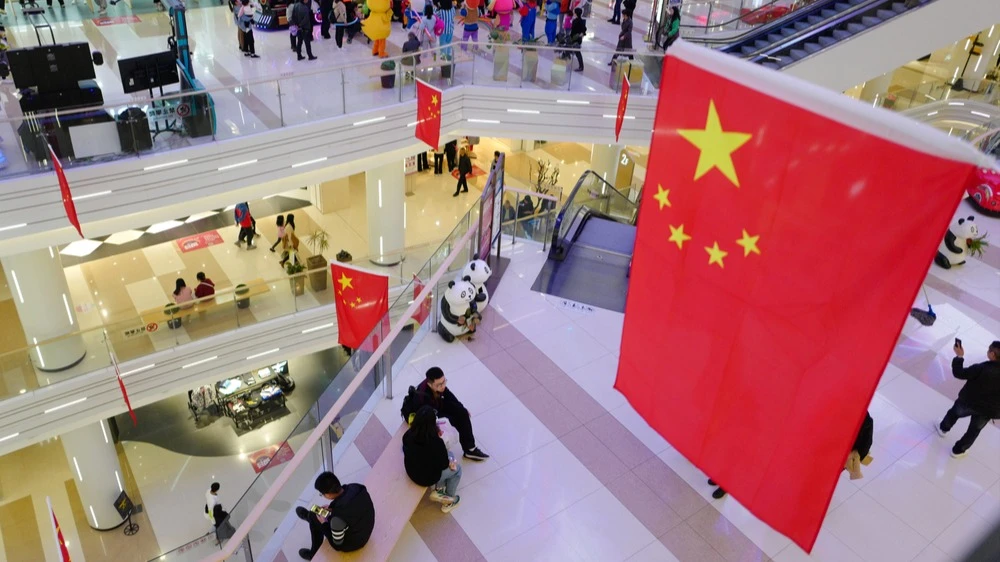
Consumer demand in China remains weak / Photo: humphery/Shutterstock.com
China’s economy grew by 4.3% year-over-year in the second quarter—the weakest performance since the final quarter of 2022, when the country was still grappling with the COVID-19 pandemic. The growth rate fell short of both the official annual target of 4.5–5% and the consensus forecast of 4.5%, Reuters reports.
June’s statistics once again highlighted the gap between production and domestic demand. Industrial output rose by 5.3%, while retail sales increased by only 1%. And last month’s 27% surge in exports once again demonstrated just how heavily the world’s second-largest economy depends on foreign trade, according to the Financial Times.
Investment in fixed assets fell by 5.7% in the first half of the year. Economic growth in China is being held back by a prolonged slump in the real estate market and weak consumer confidence. The July meeting of the Politburo of the Communist Party of China Central Committee may provide an answer to the question of whether Beijing will step up its support for the economy and what measures it will rely on.
Nevertheless, despite relatively weak macroeconomic performance, mainland China’s CSI 300 Index rose 0.5% on July 15 and has gained about 4% year-to-date. Hong Kong’s Hang Seng Index was up 1.6% on Wednesday; it has lost 3.5% since the start of the year.
What Analysts Are Saying
— Convera strategist Sheer Lee Lim believes that the weak data strengthens the case for additional government support measures. “Markets will now price in a more decisive response from the authorities—the question is whether the support will target demand or, once again, supply,” she emphasizes.
— Kenneth Go of UOB Kay Hian warns that reviving consumer spending will not be easy: household confidence is recovering slowly, and consumers are evaluating value for money more carefully. In his view, Beijing may place greater emphasis on direct stimulus measures to boost consumer spending, budget transfers, social safety nets, and stabilizing the housing market, rather than on new infrastructure spending. “Interest rate cuts alone have proven insufficient to change behavior,” notes Guo.
— Gary Ng of Natixis notes that sectors related to artificial intelligence continue to see strong demand and are growing, while consumption and investment remain weak. He does not expect any major changes in Beijing’s policy: even with GDP growth of 4.3% in the second half of the year, the annual figure will be at the lower end of the official target range. According to the expert, China’s leadership will limit itself to a moderate increase in stimulus measures and targeted adjustments.
— Coface economist Junyu Tang expects an acceleration in the issuance of special local government bonds or the emergence of new investment financing instruments. According to him, a slowdown in lending and investment activity could force the People’s Bank of China to cut interest rates sooner than expected. He considers a budget revision “less likely.”
— Zhang Zhivei of Pinpoint Asset Management argues that the acceleration of GDP growth to 5% in the first quarter and the ongoing export boom still allow Beijing to expect to meet its annual target without a “significant shift” economic course. “The Politburo meeting in the last week of July will clarify the authorities’ future course,” he added (all quotes are from Reuters).
This article was AI-translated and verified by a human editor