China's central bank has purchased the largest amount of gold since 2023. What does this mean for prices?
Precious metals are in demand among countries, but that's not enough

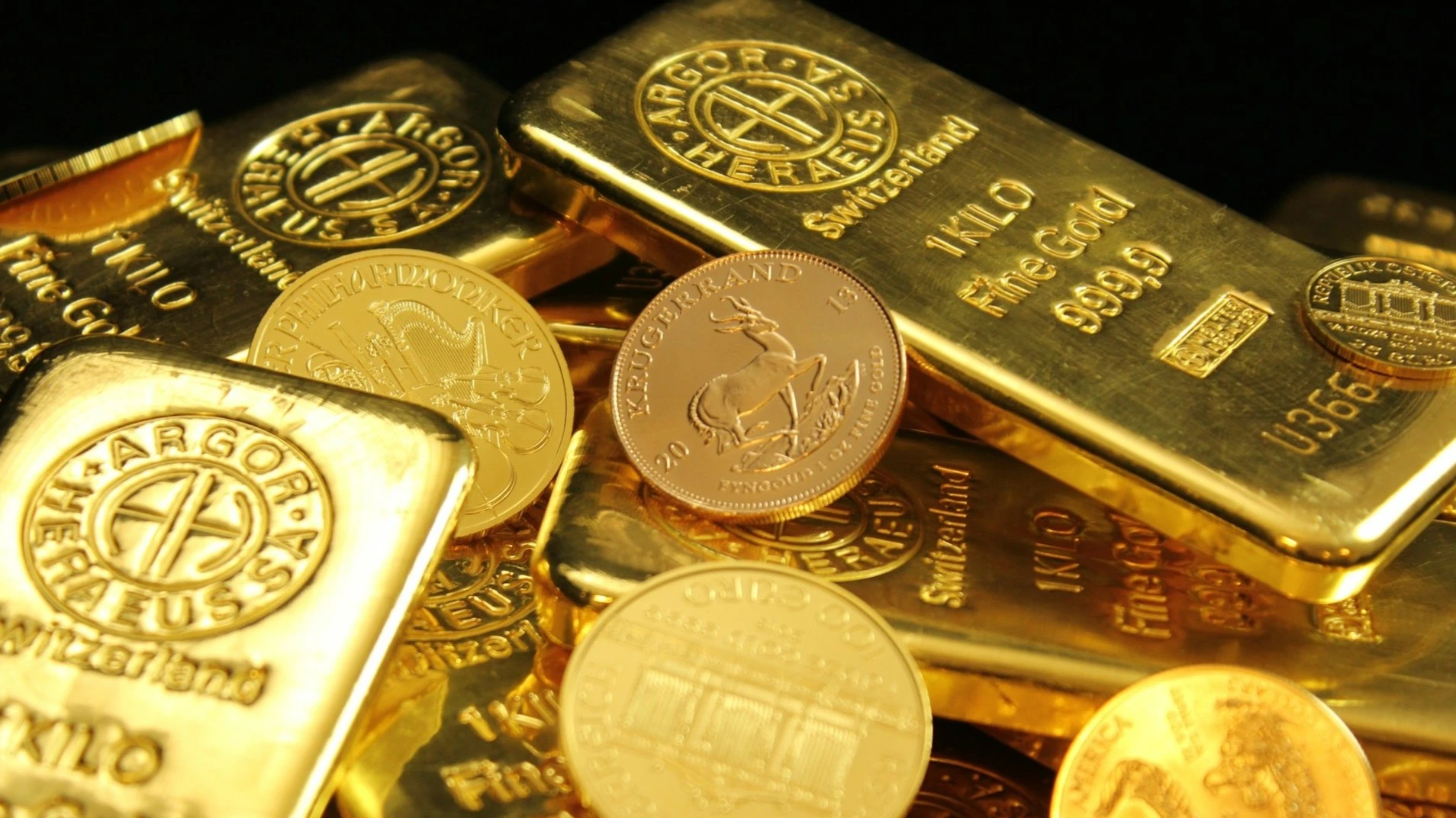
The second quarter of 2026 was the worst for gold in 13 years / Photo: Unsplash/Zlaťáky.cz
In June, the People's Bank of China increased its gold reserves by 480,000 troy ounces, bringing the total to 75.44 million ounces. This is the largest monthly increase since October 2023, according to Bloomberg.
China's central bank has been buying gold for 20 consecutive months—the longest such streak since at least 2015—which demonstrates the regulator's commitment to diversifying its reserves despite volatility in gold prices, the agency reports.
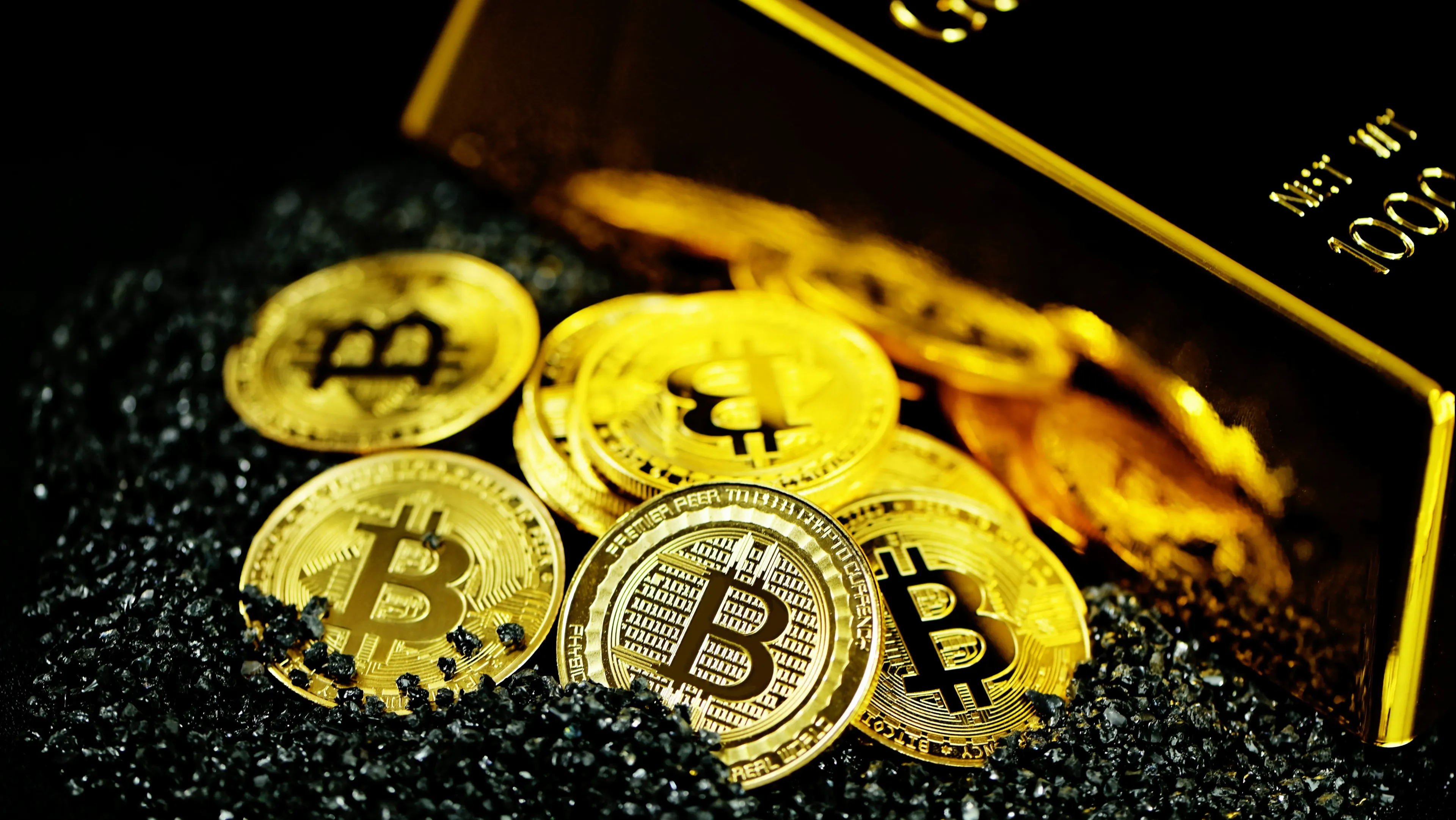
Purchases by central banks were one of the reasons behind gold’s record rally in 2025 and early 2026. By early June, the precious metal had surpassed U.S. government bonds to become the world’s leading reserve asset, according to the European Central Bank. Demand for gold from the public sector remains stable, Bloomberg notes. A June survey by the World Gold Council showed that a record-high percentage of central banks plan to increase their gold reserves over the next 12 months. Of the 74 central banks surveyed, 45% stated this intention, and only one central bank intended to reduce its reserves.
At the same time, gold prices fell 12% in June, marking the steepest monthly decline since 2008, Bloomberg noted. The price of the metal dropped below $4,000 per troy ounce. The entire previous quarter was the worst for gold in 13 years. It came under pressure due to a strengthening dollar and growing expectations of interest rate hikes in the U.S. following an acceleration in inflation caused by the war in the Middle East. Higher interest rates make investing in gold—which does not pay interest—less attractive.
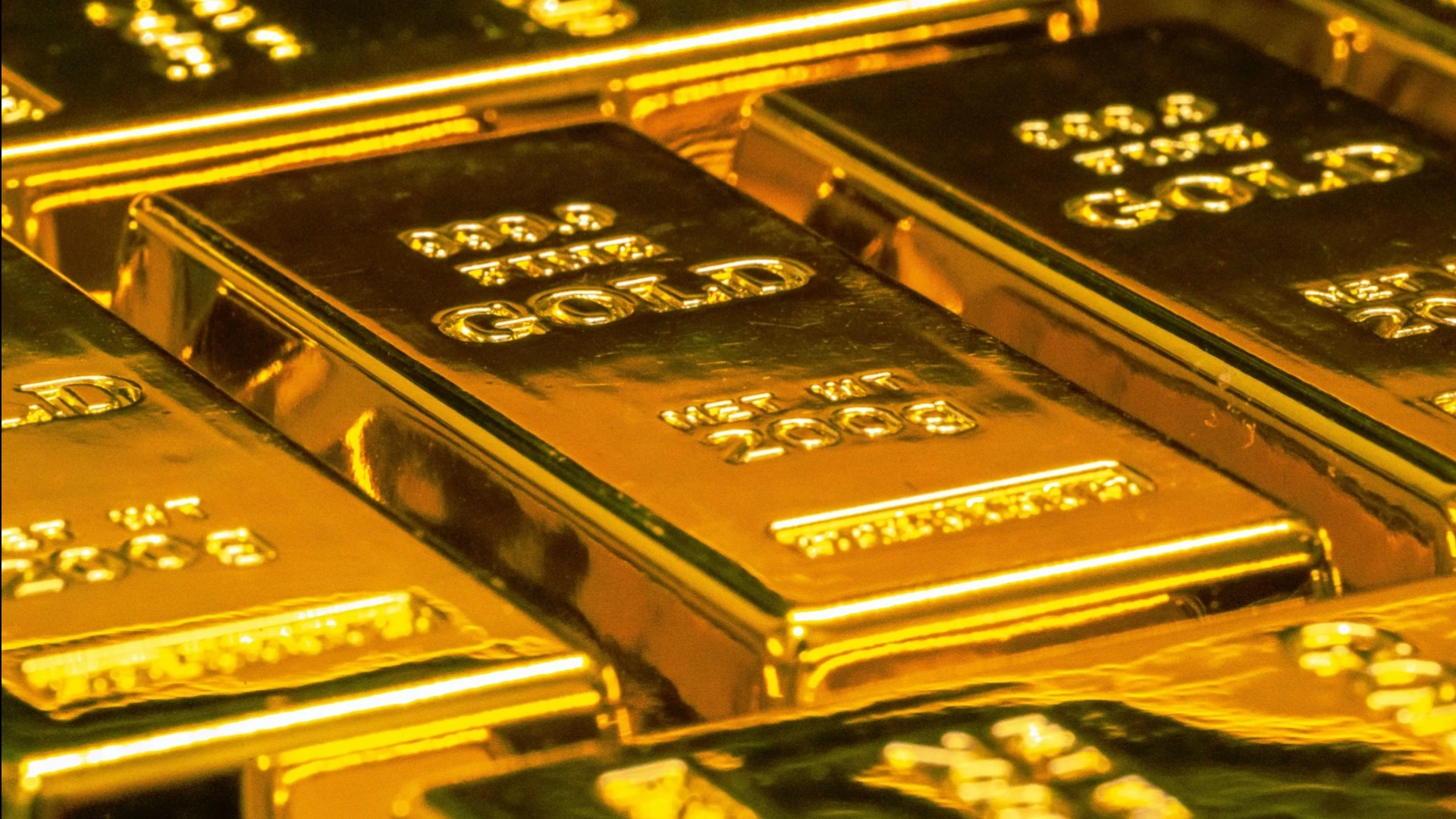
Against this backdrop, Goldman Sachs and Deutsche Bank have lowered their year-end price forecasts for the precious metal. Goldman expects the price to reach $4,900 per troy ounce in December—which is still about 18% higher than the spot price at the close of trading on July 6. “Gold hasn’t gone out of style yet,” Goldman analysts stated in late June.
This article was AI-translated and verified by a human editor