The Subtle Art of War: Ray Dalio on How China Could Take the AI World by the Throat
Just the threat of China blocking shipments of Taiwanese chips—as Iran did with the Strait of Hormuz—would hit stock markets and the global economy, warns Ray Dalio, founder of Bridgewater Associates

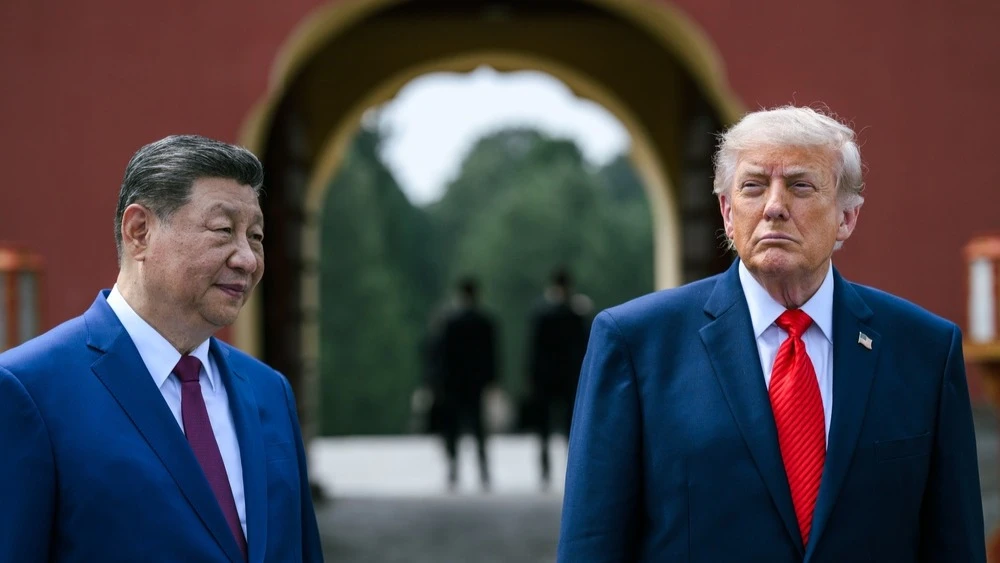
Photo: Rawpixel.com / Shutterstock.com
Semiconductors have become more important than oil in the modern economy, according to Ray Dalio, founder of Bridgewater Associates. He says the current artificial intelligence boom would not be possible without chip imports from Taiwan. And this dependence poses a major risk: investors need to understand that even the mere threat of China restricting these supplies could hit stock markets and the global economy, Dalio wrote in a research note titled “The New World Order” in June.
Dalio believes that such a threat from Beijing would be effective because of a shift in the balance of power: China is strengthening its economic, military, and geopolitical influence, while the United States, in the wake of the Iran crisis, no longer appears to be a power willing to enforce the old world order by force.
“As a global macro investor, it’s important for me to understand how a chess game (or a game of Go) is unfolding and what might happen next. And as someone who seeks a better understanding of U.S.-China relations, it’s important for me to see what China will do under the current circumstances and how events will unfold.”
How the Balance of Power Between the U.S. and China Has Changed
Over the past few months, Dalio writes, the balance of power on the world stage has shifted significantly. The blockade of the Strait of Hormuz, which Iran had used as leverage against the U.S., has convinced world leaders, especially in Asia, that Washington lacks the resources to wage wars on multiple fronts and that the American public is not prepared to bear the costs of such conflicts.
"Right now, it's simply unthinkable that Americans would support a U.S. military response to China's pressure on Taiwan or on countries that are trying to contain Beijing."
Dalio believes that doubts about U.S. guarantees are changing the behavior of America’s allies in Asia: the increasing frequency of visits by world leaders and their delegations to Xi Jinping indicates that they are seeking closer ties with Beijing. At the same time, China is gaining financial strength: the country is reaping huge revenues from exports. This money is accumulating in Chinese companies and development banks, creating a large capital reserve, Dalio writes. This gives Beijing high purchasing power and supports the yuan against the dollar.
“The use of the yuan in trade and capital transactions is growing rapidly compared to the dollar, and Chinese banks, investment firms, and capital markets themselves are becoming strong competitors to their American counterparts. And all of this is happening at a time when the Chinese, for understandable reasons, are reluctant to accumulate U.S. assets that could be subject to sanctions. We are definitely seeing rapid growth in China’s economic and financial power.”
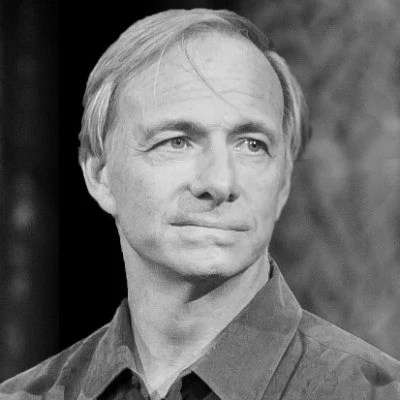
To explain how China will proceed, Dalio turns to *The Art of War*—an ancient Chinese treatise on military strategy and politics. According to the text, the ideal victory is subjugation without a fight. A direct confrontation is unnecessary here: it is enough to create conditions under which it is more advantageous for the other side to retreat.
Dalio compares the Western approach to conflict to chess, where the main goal is to take the opponent’s pieces off the board, while the Chinese approach is like the game of Go, where the aim is not to destroy the opponent but to gradually narrow the range of their options.
What's Next for Dalio?
Dalio believes that China will gradually strengthen its economy, military, and global influence and become a largely self-sufficient power—and that this will happen while Xi Jinping is still in office. For investors, this geopolitical shift poses a direct market risk: China is putting the global artificial intelligence industry in a stranglehold. Beijing has a clear plan—to achieve full self-sufficiency in microchip production by the end of 2027. By that time, the U.S. and the rest of the world will still be dependent on Taiwanese factories.
If Xi Jinping fails to reach an agreement with Taiwan on reunification, China will employ pressure tactics in the style of *The Art of War*, Dalio believes: To do so, he need only hint at a blockade of microchip shipments from Taiwan, which would cause serious turmoil in global markets, especially in the artificial intelligence sector.
“In the markets and the economy, AI is everything, and AI without Taiwan is nothing. So it’s easy to imagine what a Chinese blockade of Taiwan would do to the stock market and the global economy. And this is just one of many potential leverage points Beijing has at its disposal. I’m sure the U.S. has its own leverage as well. Since no one wants the conflict to go that far, it will most likely not come to that, although the threats are real and the risks are high.”
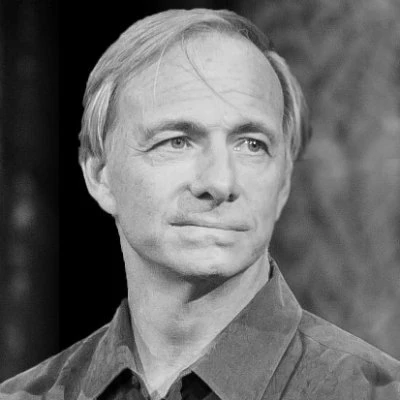
The investor believes that Beijing will increasingly pursue its goals without direct confrontation—by demonstrating that it can use force and that resisting China could come at too high a cost.
"There is a high probability that this war will be waged so subtly that we won't even realize it's happening."
This article was AI-translated and verified by a human editor